






 Portuguese
  Spanish
 5 min of reading
  0 comments


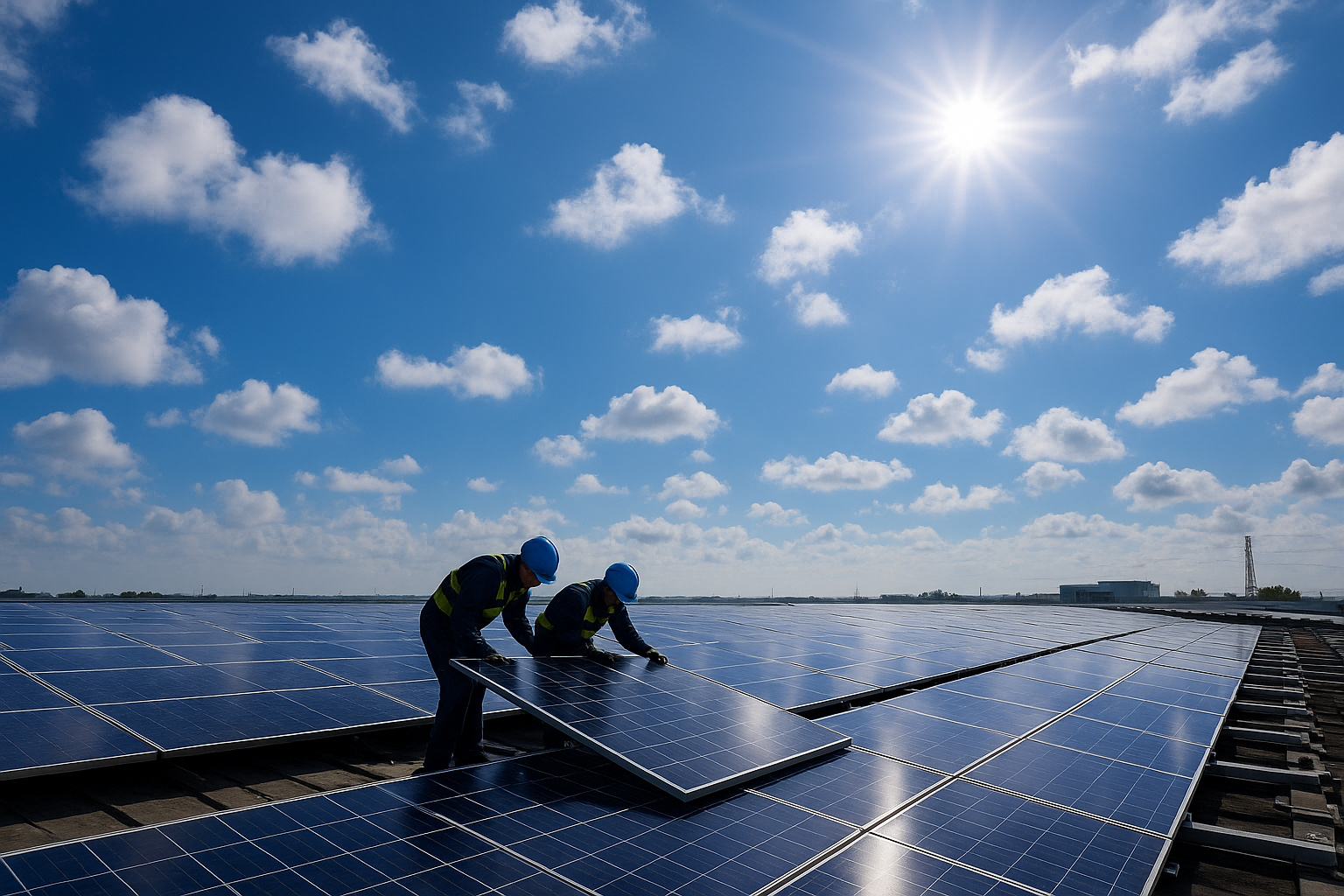
Discover How Sustainable Practices with Solar Energy, Water Reuse, and Environmental Education Transform Conscious Consumption and Strengthen the Green Future of Bahia.
In recent years, the advancement of sustainable practices with solar energy has transformed the way society understands the relationship between energy and the environment. In this sense, the Department of the Environment (Sema) and the Institute of the Environment and Water Resources (Inema) have stood out by combining innovation, economy, and ecological awareness in their daily actions.
Through continuous programs, these institutions have been reducing energy consumption, encouraging the rational use of water, and promoting a culture of environmental responsibility among employees and partners. Thus, each project represents not only a real savings but also an important step towards a more balanced development model.
The adoption of solar energy systems represents, therefore, more than just a simple technological change. It symbolizes a new way of thinking, where sustainability occupies the center of institutional decisions.
-
Solar energy can increase property value by up to 10% and become a selling point.

-
Solar and wind energy surpass natural gas for the first time in the world and accelerate energy revolution

-
Africa has about 500,000 cell towers and most still burn diesel to operate, while companies rush to cover antennas with solar energy and avoid signal blackouts.
-
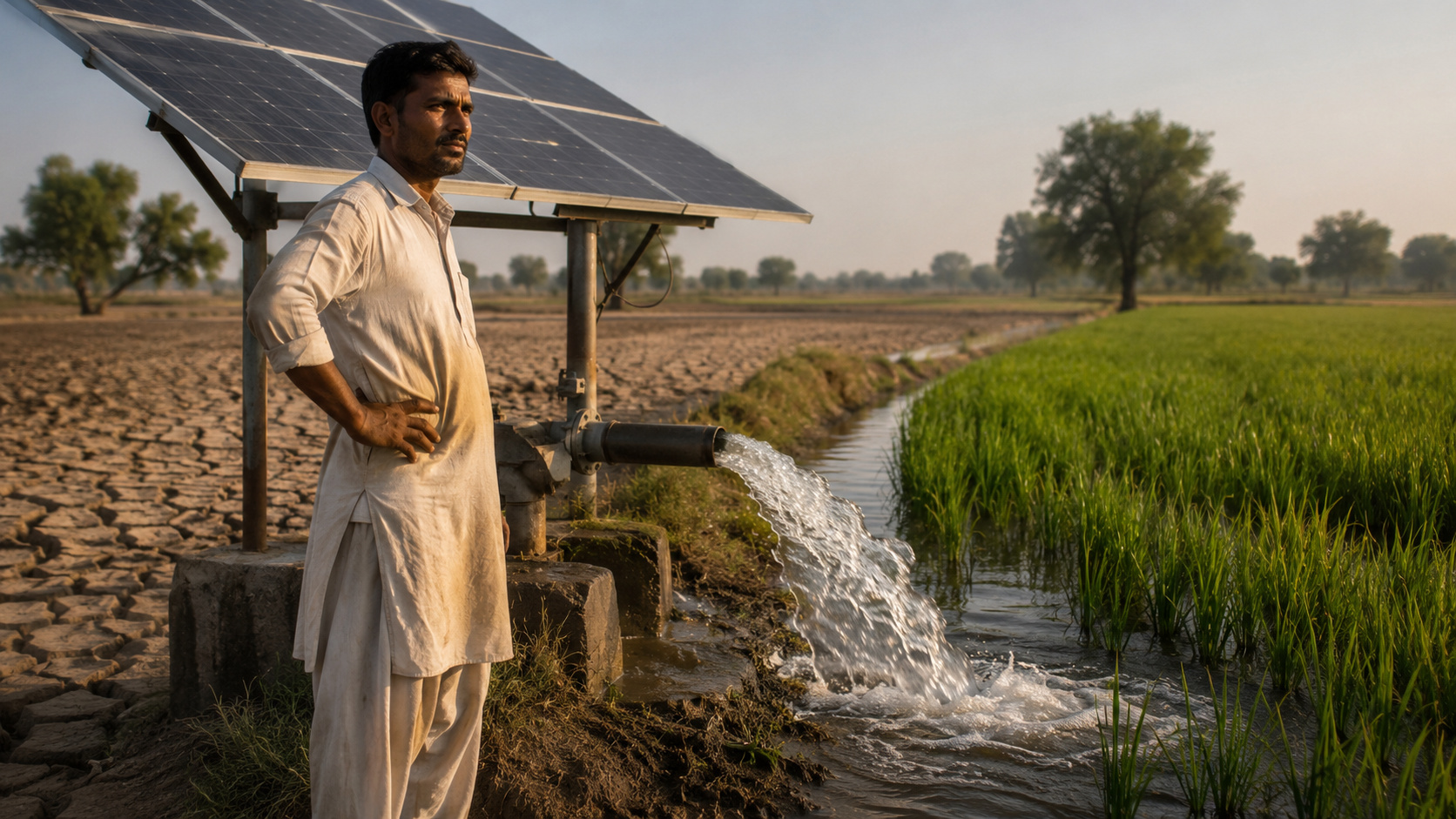
Farmers swapped diesel for solar panels in Pakistan, powered irrigation pumps almost cost-free, expanded rice fields, and now groundwater has become a red alert in the countryside.



Historically, the world has lived under a strong dependence on fossil fuels, which has generated profound environmental impacts. However, the transition to clean sources, such as solar energy, has been gaining momentum in tropical countries, especially in Brazil.
Since the 2000s, the country has expanded its installed capacity in solar energy. However, it was only from 2012, with the regulation of distributed generation by the National Electric Energy Agency (ANEEL), that the sector began to expand at an accelerated pace.
In this context, Inema and Sema began to integrate this energy revolution, adapting their administrative practices and public policies to the demands of a more sustainable world.
Everyday Sustainability and Economic Culture in Public Agencies
At Inema, sustainability has become an essential part of daily life. According to Pedro de Oliveira from the Administrative Coordination (CORAD), the agency signed a cooperation agreement with COELBA to install photovoltaic systems and replace conventional light bulbs with LED models. This way, they were able to reduce costs and increase energy efficiency.
In addition, the campaign “Turn It Off” encourages employees to adopt simple behaviors, such as turning off lights and equipment when not in use. Thus, the agency demonstrates that small actions, when added up, generate great environmental results.
At the same time, the rational use of water has become a priority. In partnership with the Federal University of Bahia (UFBA), Inema implements measures that include the installation of ecological urinals, the sealing of faucets, and the reuse of rainwater and air conditioning.
In this way, water consumption has been reduced while the commitment to the future of the planet grows.
These technical actions go hand in hand with internal awareness campaigns. After all, changing habits is as important as investing in technology.
Thanks to the engagement of employees, the institution has consolidated a solid environmental culture, where everyone understands the value of taking care of natural resources.
Environmental Education and Strengthening Collective Consciousness
At Sema, in turn, environmental education is treated as an essential instrument of transformation. As explained by Stefane Mendes from the Environmental Education for Sustainability Directorate (DIEAS), conscious consumption is one of the central themes in the training of Eco Guardians.
Through these activities, discussions revolve around the importance of reducing paper use, saving energy, and correctly disposing of waste.
These initiatives are part of the Environmental Agenda in Public Administration (A3P), a program aimed at incorporating sustainability into institutional practices across Brazil.
Through A3P, Sema promotes workshops, lectures, and campaigns that reinforce the role of public servants as multipliers of good practices.
For three months, the Eco Guardians conducted educational campaigns focused on responsible consumption and proper disposal of materials.
As a result, employees began to adopt more conscious behaviors, proving that information combined with practice can transform realities.
Thus, Sema demonstrates that education is the starting point for any efficient environmental policy. As people understand the impact of their actions, they become more willing to act in a responsible and cooperative manner.
Solar Energy and Green Economic Development
In addition to environmental benefits, sustainable practices with solar energy strengthen the green economy. By investing in clean technologies, institutions reduce expenses, increase efficiency, and contribute to sustainable growth.
According to Lílian Maria from the Strategic Actions Coordination (COAES), conscious consumption helps balance prosperity and preservation. As she explains, this consumption model strengthens fair productive chains, stimulates innovation, and encourages the creation of green jobs.
Inema, for example, actively participates in the Water and Energy Consumption Rationalization Program, created by SAEB Ordinance No. 406/2018. This program aims to reduce waste, modernize facilities, and disseminate the use of renewable technologies.
Thus, public administration becomes an example of responsible environmental management.
Moreover, Bahia is establishing itself as one of the main hubs of clean energy in Brazil.
Thanks to the high solar incidence and the continuous investment in environmental policies, the state attracts companies and researchers interested in developing sustainable solutions.
In this way, the actions of Sema and Inema gain strategic relevance, as they connect the environmental agenda to the regional economic development strategy.
A Future Guided by Environmental Awareness
By observing the trajectory of sustainability in Brazil, it is noticeable that the greatest advances occur when government action is united with social participation.
In this sense, the example of Sema and Inema demonstrates how investment in solar energy, the rational use of water, and environmental education can work together in the construction of a new model of public management.
The consolidation of these practices goes beyond financial savings, as it represents a strategic vision focused on the future.
When institutions invest in clean technologies and stimulate collective awareness, they promote changes that surpass their own administrative limits.
Thus, the movement for sustainable practices with solar energy continues to grow and inspire other organizations to rethink their consumption models.
Every action, no matter how small it seems, has the power to generate lasting positive impacts.
Therefore, Sema and Inema show that sustainability is not just a distant goal, but a possible path, made of daily choices and constant commitment.
By uniting solar energy, water reuse, and environmental education, these institutions build a green legacy that will extend for generations to come.









Be the first to react!