Portuguese
  Spanish




Change Affects Public And Private Sectors Across Brazil And Is Seen As A Political Victory With A Direct Impact On The Income Of The Population.
The Senate approves an amendment that expands the tax exemption threshold, a decision considered a milestone for workers in the public and private sectors. The measure, reported by Senator Renan Calheiros and supported by names like Eduardo Braga, was described as “a project of great value for Brazilian society”, according to statements recorded in the chamber and reported by UOL.
The vote concluded a debate that had been closely followed by unions and economists, as the change promises immediate relief in family budgets in a scenario of still pressured inflation. Parliamentarians emphasized that the amounts involved should not be seen as “income,” but rather as necessary salary for survival.
What Changes With The Approved Amendment
The approved text modifies the substitute for Bill 1952/2019, expanding the exemption range and reducing the tax burden on those receiving salaries within a certain limit.
-
Couple Sold Their Home to Save Business, Now Run Platform Handling $180 Million Monthly and Managing Over 51 Million Listings

-
Brazil’s 2026 Tax Refund: Record 9.58 Million Filers in Largest Payout Ever, But a Key Detail on Priority Recipients Draws Nationwide Attention

-
Itaú Alters Hybrid Work Model, Increasing Office Days from 2028, Prompting Employees to Adjust to New Routine
-
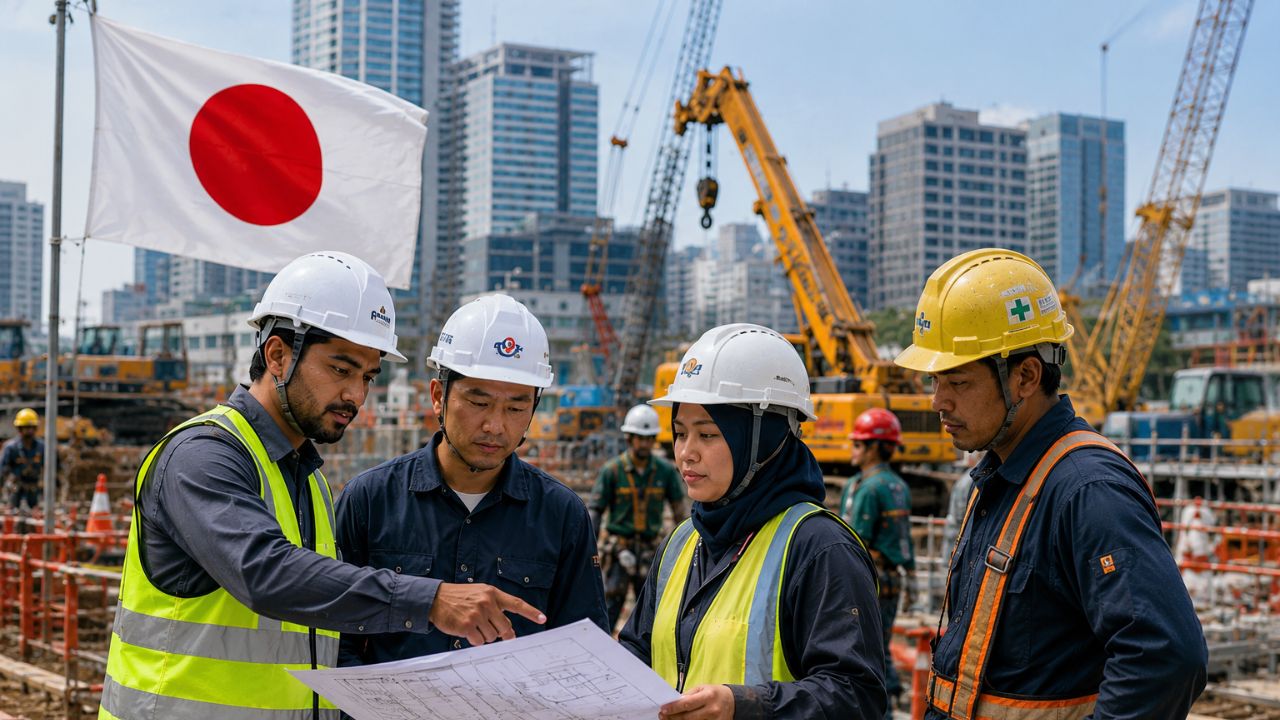
Facing Labor Shortage, Japan Plans to Invest $34 Million to Attract Foreign Workers in Construction, Healthcare, Industry, and Commerce




According to UOL, the proposal now moves to the final stages of processing but has already been definitively adopted in a supplementary round, which speeds up its implementation.
In addition to the direct impact on paychecks, the measure should reduce pressure on wage negotiations and benefits in the private sector, as part of the earnings will be preserved from taxation.
For public servants, the expectation is for greater financial predictability in a context of limited adjustments.
Repercussions In The Plenary And The Voting Backstage
During the session, senators took turns expressing support. Eduardo Braga classified the text as innovative, and Renan Calheiros received praise for his reporting.
Another highlight was the amendment proposed by Senator Omar Aziz, which ensured greater coverage in the reach of the exemption.
There were minor technical hitches regarding vote registration and nominal counting, but the approval was confirmed unanimously by those present.
“People working in the public or private sector will be happy about this”, stated one of the parliamentarians, reinforcing the popular nature of the measure, according to UOL.
Practical Effects For Workers
The approval of the amendment is expected to mean more money available in workers’ pockets, especially for those who fall into the salary ranges immediately above the minimum.
This tax relief is likely to benefit millions of Brazilians and, in parallel, could stimulate domestic consumption in sensitive sectors such as food, transportation, and services.
However, economists emphasize that the measure also opens up debates about fiscal sustainability.
The impact on revenue will be closely monitored by the National Treasury, as tax concessions need to be compensated to avoid increasing the public deficit.
Next Steps In The Processing
With the approval in a supplementary round, the substitute now moves to the regulatory procedures in the Senate’s Board of Directors.
If there are no further changes, the proposal should be forwarded for sanction and regulation. The expectation is that the change will take effect in the next fiscal year.
The approved amendment represents a significant step in relieving the tax burden for millions of workers.
However, there remains a question about the government’s ability to balance tax concessions with budgetary responsibility in the coming years.
And you? Do you think that the expansion of the exemption will really impact your budget, or will it just be a temporary relief?
How might this change affect your practical life? Share your opinion in the comments, as your perspective helps to understand the real effects of this decision in daily life.