Portuguese
  Spanish




The Senate Approved The Pides, Which Aims To Finance Up To R$500 Million In Wind And Solar Photovoltaic Energy For All Regions Of Brazil
The Senate approved the project that develops the Incentive Program For The Development Of Wind And Solar Photovoltaic Energy. Authored by Plínio Valério (PSDB-AM), the proposal aims for federal funding of up to half a million reais annually for projects that offer renewable energy production. The matter was reported in the Environment Committee (CMA) by Senator Rodrigo Cunha (PSDB-AL) and proceeded for analysis in the Chamber of Deputies.
Read Other Related News
Learn More About The New Renewable Energy Project Approved By The Senate
The proposal approved by the Senate creates the Pides which, as mentioned earlier, will receive federal funding through a subsidy of up to R$ 500 million per year to the National Bank For Economic And Social Development (BNDES).
-
Brazilian scientists are simultaneously advancing two research projects on clean hydrogen and driving solutions that could transform the energy matrix, enhance industrial competitiveness, and accelerate large-scale emission reduction targets.

-
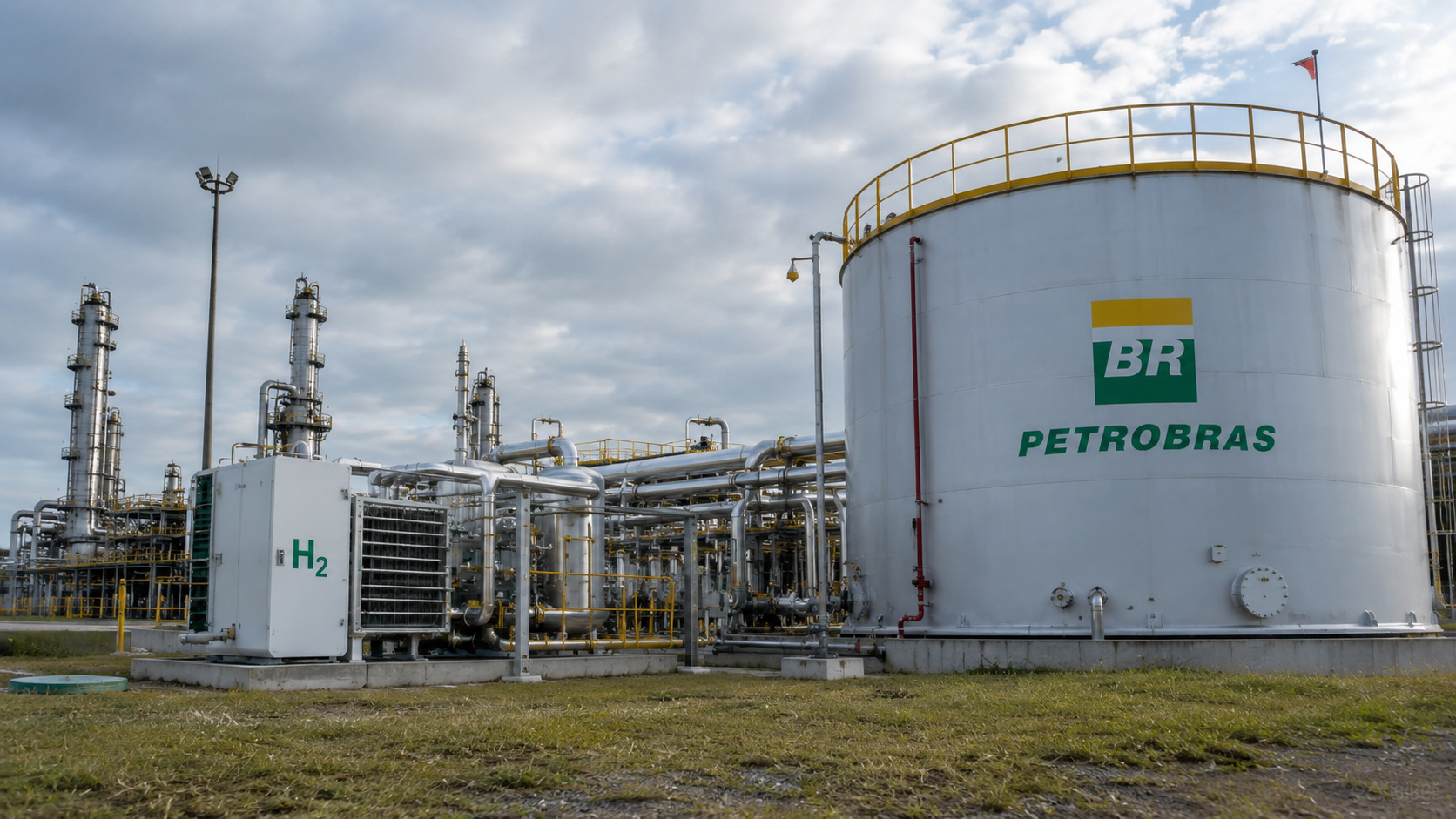
Advancement in renewable energy: A R$ 150 million project launched by Petrobras and Finep aims to create state-of-the-art electrolyzers for green hydrogen, strengthening national research and preparing Brazil to compete in a billion-dollar energy market.
-
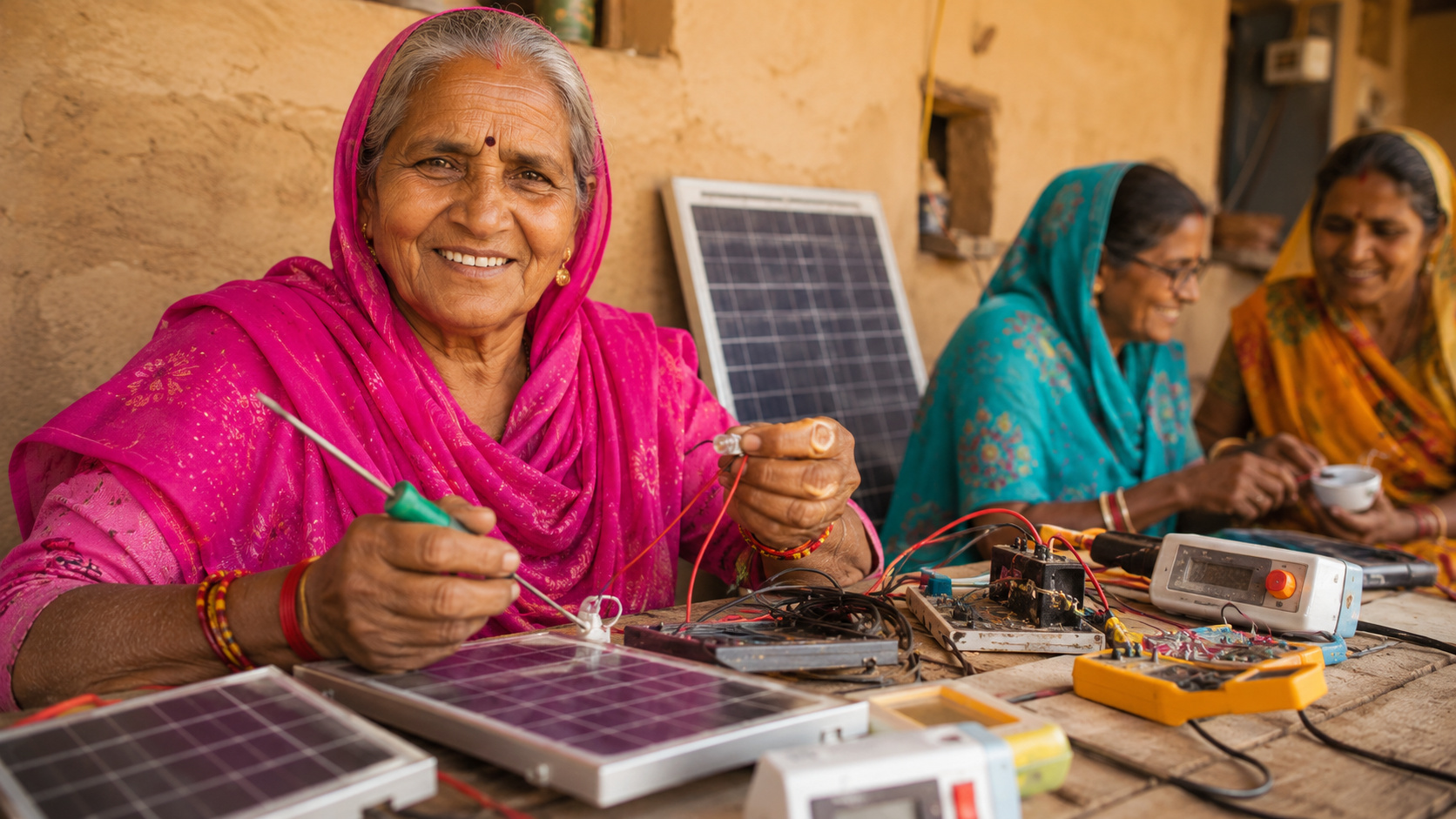
Illiterate or semi-literate grandmothers were trained to repair solar systems, open rural workshops, and light up homes that still depended on kerosene.
-
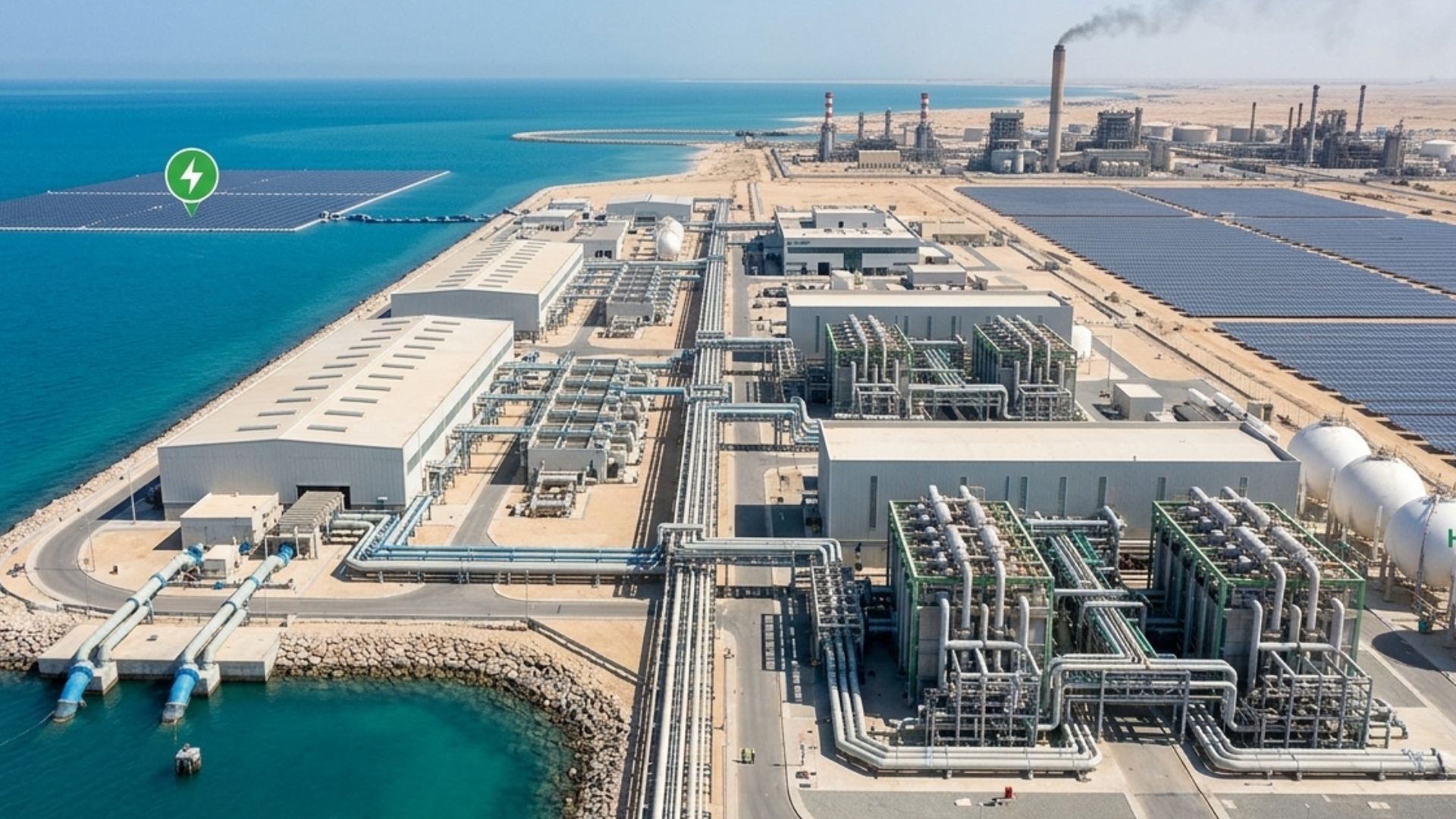
The world has bet on green hydrogen as the fuel of the future, but now faces the side effect: producing 1 kilogram requires about 9 liters of ultrapure water, and the largest projects on the planet are precisely in the driest regions of the Earth, where water is already scarce for people.


The interest rates for funding the projects will be equivalent to the Long-Term Rate (TLP). When it was finally approved in the CMA, Cunha emphasized the benefits of the proposal aimed at promoting wind and solar photovoltaic energy, such as reducing electricity bills and minimizing power outage risks. It is a very timely project, considering the constant increase in energy costs for consumers and businesses alike.
The promotion of clean and renewable energy generation, such as solar photovoltaic and wind energy, which contributes, especially, to an energy transition in Brazil, is welcome. Furthermore, the encouraged sources present a possible solution to avoid supply shortages, blackouts, and rationing.
Project Receives Praise In The Senate
The project’s author, Plínio Valério, argued about the frequent energy crises compromising the country’s economic progress. For Valério, with the project focused on solar photovoltaic and wind energy, energy solutions will be essential for defining sustainable growth in renewable energy generation.
Plínio highlighted that he advocates for the North region, where there are several difficulties but also a lot of sun. Energy there, as in all Brazil, is very expensive, and the project will also help the generators and suppliers, as the shortage is evident. The president of the Environment Committee, Jaques Wagner (PT-BA), praised the project focused on solar photovoltaic and wind energy and stated that he is passionate about the production of these energy sources.
“Not everywhere do you have a transmission line, so a solar photovoltaic panel or even a wind turbine would already solve it to produce a lot, at least during the time it circulates in the sun”, Wagner emphasized.
Government Approves Solar Energy Law
At the beginning of this year, the Federal Government sanctioned the bill that establishes the legal framework for self-generation of energy, known as distributed generation (GD), which has the capacity to reduce electricity bills for final consumers.
The Government estimates that there will be an increase in investments in the production and commercialization of renewable energy, especially for the solar sector. According to data from Absolar, by 2050 the benefits of GD will total more than R$ 150 billion just with the reduction of costs in the use of thermoelectric plants, one of the main factors that generates high charges in electricity tariffs.