Portuguese
  Spanish



The Brazilian Agriculture Recorded Historic Results in the 2nd Quarter of 2025, with Significant Advances in Beef, Dairy, Pigs, and Eggs. For the First Time, Females Surpassed Males in the Slaughter of Cattle, Marking an Unprecedented Turnaround in the Sector
The slaughter of cattle in Brazil recorded a strong increase in the 2nd quarter of 2025, showing the strength of the national agribusiness. According to IBGE, 10.46 million head were slaughtered, a number 3.9% higher than in the same period of 2024 and 5.5% above the 1st quarter of 2025.
The growth corresponds to 395.98 thousand more animals than the previous year, with increases in 20 of the 27 federative units. May was the month of greatest activity, with 3.59 million head, an increase of 4.9% compared to the same month in 2024.
For the first time since 1997, females surpassed males in the number of animals slaughtered. The slaughter of females rose 16% compared to the 2nd quarter of 2024, reaching the highest level in the historical series.
-
Brazilian Farmers with Basic Education Create Backyard Machines That Win National Invention Contest, Beating 242 Projects

-
Brazilian Farm Innovates with Cage-Free Chickens, Producing 3,300 Odorless Eggs Daily

-
From Selling Unsold Saplings to Creating Brazil’s Most Awarded Olive Oil Brand with 330 Accolades and a $12 Million Goal by 2026
-
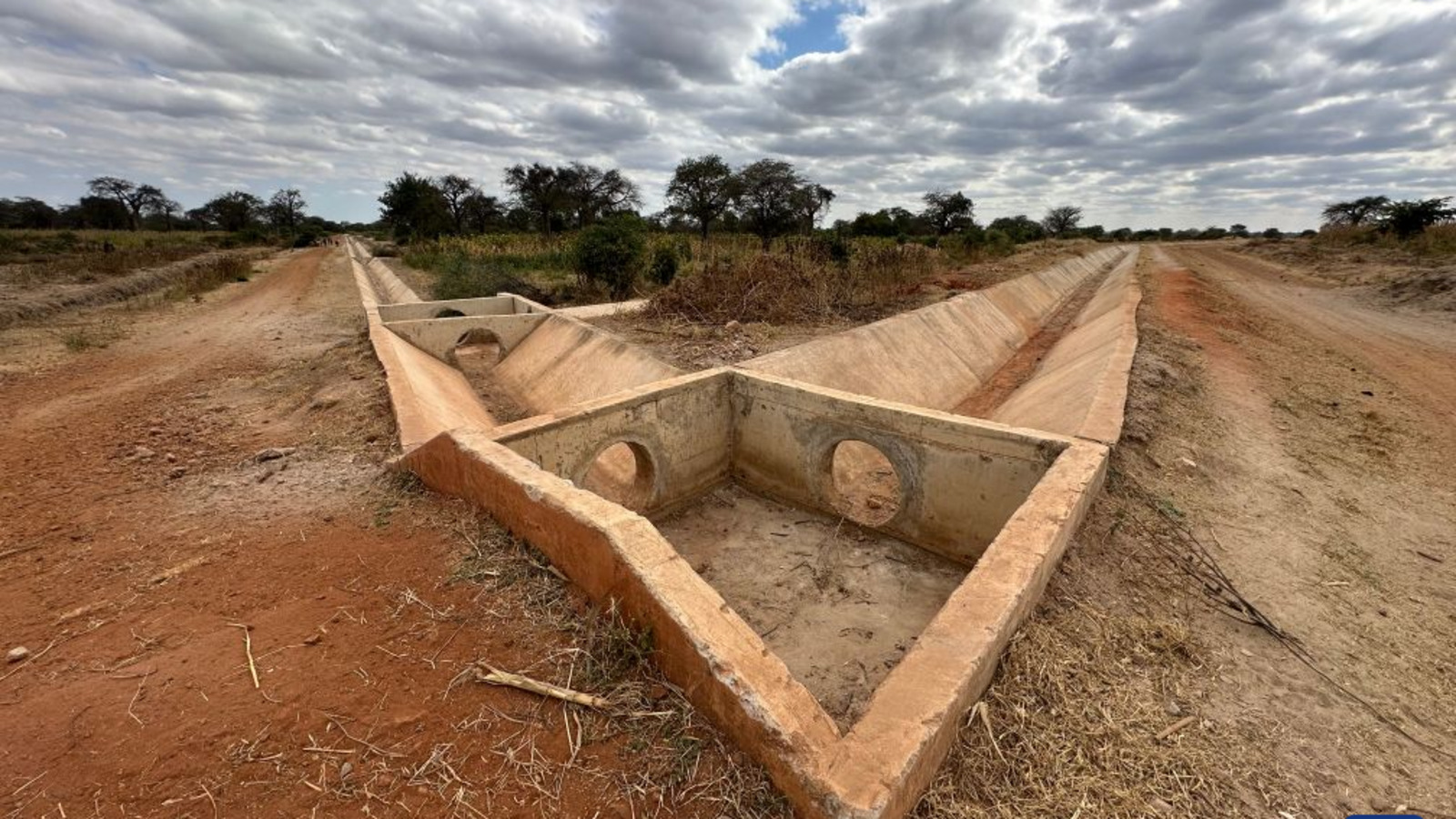
China Builds 400-Hectare Irrigation System in Tanzania to Aid 1,000 Families Dependent on Rainfall


According to the research manager, Angela Lordão, the increase was driven by external demand for young animals, especially heifers, which represented 33% of the females slaughtered.
Even with a decrease in the total slaughter of cattle in Mato Grosso, the leading state in the sector, the slaughter of females grew due to an increase in heifers sent to slaughterhouses.
Pig Production Reaches Highest Level in the Historical Series
The slaughter of pigs also had a positive result. There were 15.01 million head in the 2nd quarter of 2025, up 2.6% from 2024 and 4.1% from the 1st quarter of 2025.
The volume represents 385.93 thousand more animals than the previous year and was driven by increases in 12 of the 26 federative units surveyed. This was the highest quarterly result in the historical series that began in 1997, especially in the months of May and June.
Angela highlighted that the advance is due to increased domestic consumption, favoring quick-preparation cuts and affordable prices, in addition to quality campaigns. Exports also contributed, with strong demand from the Philippines and growth for Chile and Japan, offsetting the decline in purchases from China.
Bird Flu Affects Chicken Performance
The slaughter of chickens totaled 1.64 billion head during the period. There was an increase of 1.1% compared to the 2nd quarter of 2024, with 18.44 million more animals, but a decrease of 0.4% compared to the 1st quarter of 2025.
The growth was recorded in 19 of the 26 federative units surveyed. However, the sector was impacted by a case of bird flu at a commercial farm in Rio Grande do Sul in May.
Brazilian chicken meat exports fell 12.8% in the annual comparison, after restrictions from importing markets. Some countries limited only products from Rio Grande do Sul, while others, such as China, suspended purchases from all of Brazil.
Milk Collection Hits Record for a Second Quarter
The acquisition of raw milk reached 6.50 billion liters in the 2nd quarter of 2025. The volume represents an increase of 9.4% over 2024, although it receded by 1.0% compared to the 1st quarter of 2025.
This is the highest value ever recorded for a second quarter since the beginning of the historical series in 1997. The South region accounted for 40.7% of the collection, followed by the Southeast (35.9%), Center-West (10.5%), Northeast (9.4%), and North (3.5%).
According to Angela, factors such as favorable weather, the availability of quality feed, and larger investments helped to boost the activity. The advance secured a record in collection for the 1st semester of 2025.
The average price paid to producers was R$ 2.75, an increase of 5.4% over 2024 and a slight decrease of 0.4% from the 1st quarter. Of the 559.06 million liters collected compared to 2024, 20 of the 26 federative units had an increase in production.
Leather Records an Increase in Annual Comparison
The acquisition of leather also advanced. In the 2nd quarter of 2025, the tanneries surveyed reported receiving 10.75 million pieces, an increase of 4.6% over 2024 and a decrease of 0.1% compared to the previous quarter.
The majority originated from slaughterhouses and service provision, which accounted for 92.7% of the total collected during the period.
Egg Production Grows and Approaches 1.3 Billion Dozen
Egg production totaled 1.24 billion dozen, an increase of 6.2% over the same period in 2024 and 2.9% from the 1st quarter of 2025.
There were 72.39 million dozen more than in the 2nd quarter of 2024, with increases in 23 of the 26 federative units surveyed.
More than half of the farms, 1,141 (54.6%), produced eggs for consumption, representing 83% of the total. Another 949 (45.4%) focused on eggs for incubation, accounting for 17% of production.