Portuguese
  Spanish


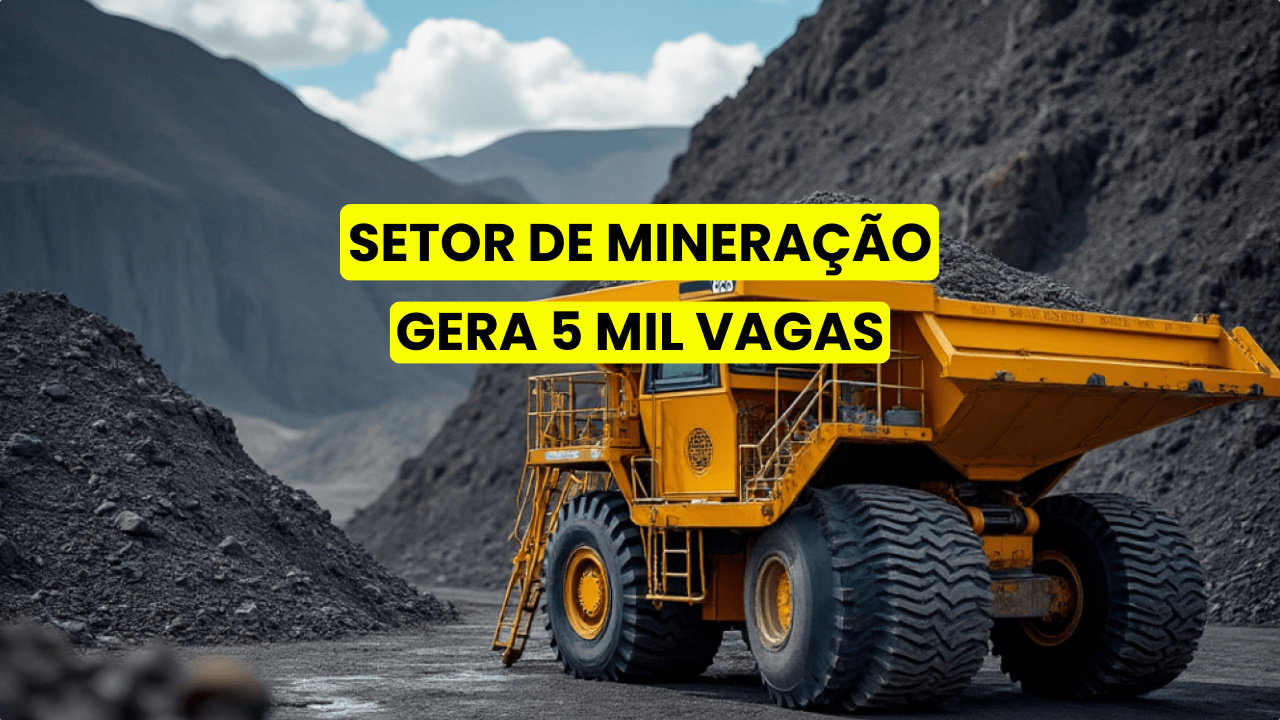


Mining Sector in Brazil Grows in the First Half of the Year, Creating Over 5,000 Direct Jobs and Raising Billions in CFEM 2025. Learn How This Advance Impacts the Economy and Producing Regions
In the first half of 2025, the Brazilian mineral sector achieved impressive results: 5,085 new jobs were created between January and June, raising the total number of direct jobs to 226,067. During the same period, the segment raised R$ 48 billion in taxes and charges, in addition to distributing R$ 3.7 billion through CFEM (2025).
These numbers, released by the Brazilian Mining Institute (IBRAM) based on CAGED and official data, demonstrate the robustness of mining in Brazil and its importance to the national economy.
In this article, we detail these figures and their social, economic, and strategic impacts, providing a comprehensive analysis of the sector and trends for the coming years.
-
Canadian Investment Transforms Remote Brazilian Amazon Town into Copper Hub for Global Electric Vehicle and AI Data Center Markets

-
Brazilian Company in Minas Gerais Innovates by Using Electric Currents to Extract Critical Metals from Industrial Waste

-
U.S. Acquires Brazil’s Only Rare Earth Mine for $2.8 Billion, Diverting It from China

-
Indian Project Aims to Recover Zinc and Silver from Mining Waste, Targeting Over ₹3.8 Billion Revenue in 28 Months


Growth of Mining in Brazil and Creation of Direct Jobs
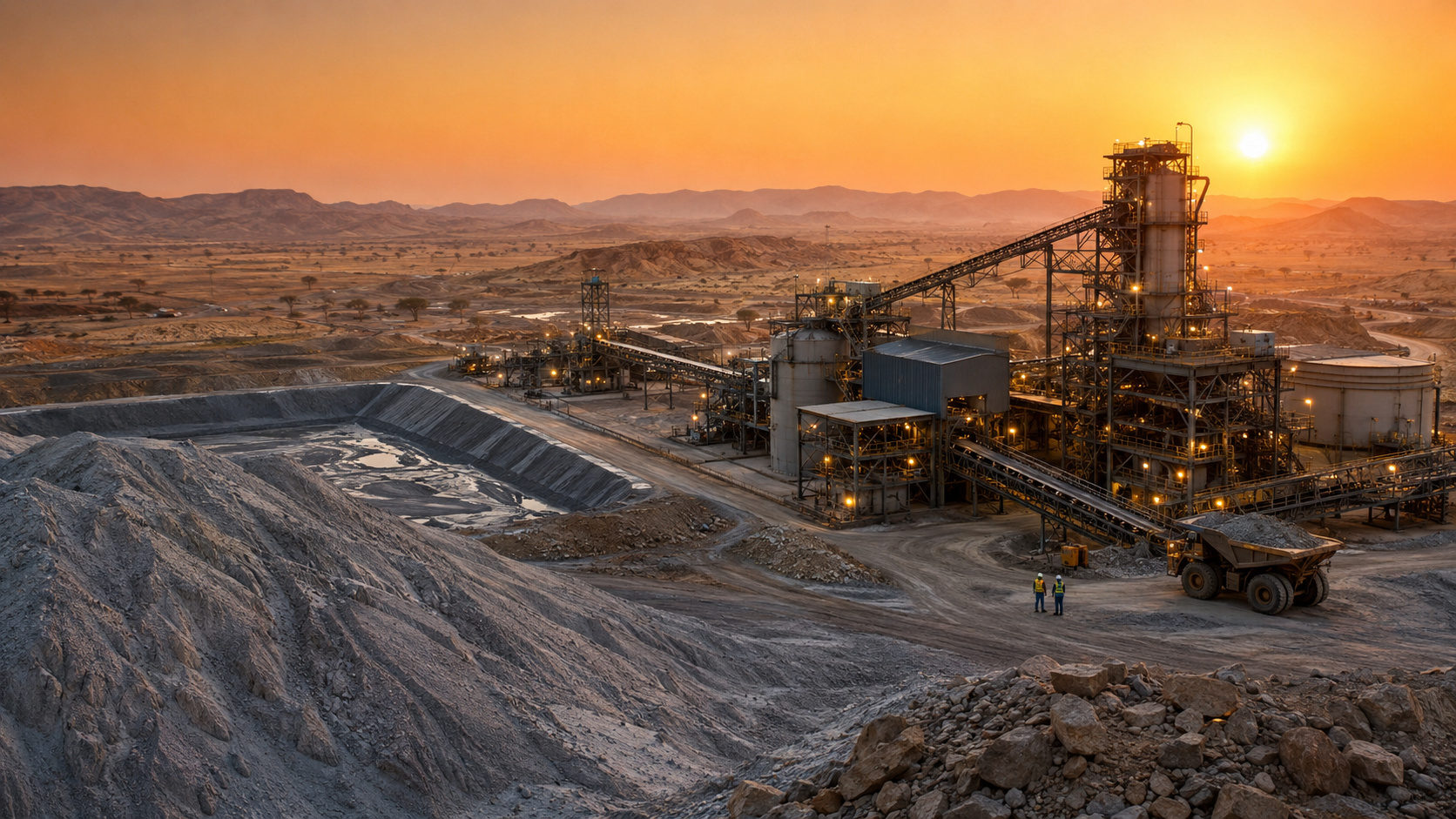
The Brazilian mineral sector generated 5,085 new direct mining jobs in the first half of 2025, raising the total of mining jobs to 226,067. This growth represents a significant increase compared to the same period in 2024, reflecting the resumption of private investment, the expansion of strategic projects, and the increasing demand for essential minerals for industry and energy transition.
The presence of mining directly impacts producing regions and neighboring cities, offering opportunities in various roles, such as mining engineering, equipment operation, process supervision, and project management. The average salary for technical positions ranges from R$ 3,300 to R$ 5,800, while specialized professionals can earn up to R$ 40,000.
The regions that most contributed to the growth of direct mining jobs were Minas Gerais, Pará, São Paulo, and Bahia, concentrating the majority of the sector’s workforce and infrastructure.
Economic Impacts and Tax Collection with CFEM 2025
The sector’s revenue from taxes and charges reached R$ 48 billion, a value 7.5% higher than that recorded in the first half of 2024. This amount reflects not only the productive strength of the sector but also its strategic importance for public revenue and the state’s investment capacity.
The CFEM 2025 totaled R$ 3.7 billion, with a highlight for iron ore, which represented 69.4% of the revenue. Minas Gerais and Pará accounted for 45.3% and 39.2% of this amount, respectively. The distribution of CFEM follows a model that favors local development: 60% for producing municipalities, 15% for the producing state, 15% for neighboring municipalities, and 10% for the Union.
These resources enable investments in infrastructure, education, health, and environmental projects, reinforcing the social responsibility of the mineral sector. The economic impact also extends to the supply chain and the indirect generation of jobs in related sectors such as transportation, logistics, and commerce.
Diversification of Minerals and Future Investments in Mining in Brazil
The growth of mining in Brazil is not limited to a single commodity. Exports of iron, copper, niobium, manganese, and precious stones have increased, even amid fluctuations in international prices. This diversification strengthens the sector’s resilience in the face of crises and enhances Brazil’s global competitiveness.
The Brazilian mineral sector is projected to invest US$ 68.4 billion between 2025 and 2029, distributed across logistical infrastructure, socio-environmental sustainability, copper exploration, fertilizers, and rare earths. Iron ore remains the main investment driver, followed by strategic mineral projects focused on technology and clean energy.
The ability to diversify and modernize reinforces Brazil’s position as a global leader in mining, attracting international investors and fostering technological innovation.

Regional Distribution of Mining Jobs
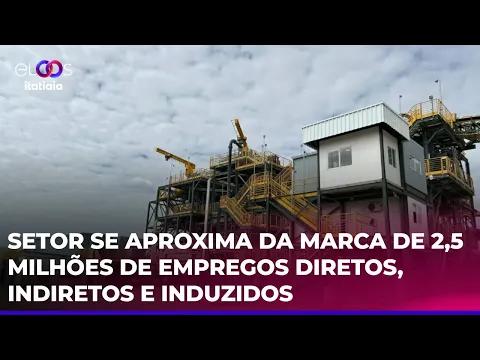
Employment statistics reveal the sector’s importance as a generator of opportunities across the country. Minas Gerais and Pará are among the states that concentrate the majority of the workforce in Brazilian mining, while other states, such as São Paulo and Bahia, have a smaller share, reflecting the geographic distribution of mineral activities in the country.
This landscape reinforces the role of mining in absorbing professionals with different levels of education, stimulating the continuous qualification of the workforce.
Exports and Sector Performance in the Country
The performance of exports is an indicator of the competitiveness of Brazilian mining. In the first half of 2025, iron ore accounted for US$ 13.6 billion in exports. This value was achieved with a 3.8% increase in the exported volume, which partially offset a 17.4% decline in price.
Other commodities, such as copper, niobium, and manganese, recorded significant revenue increases, with copper rising by 14.4%, niobium by 7%, and manganese, notably, with a growth of 102.4%.
This combination of volume growth and product diversification strengthens the sector against international market volatility and ensures the ongoing generation of jobs in mining and income for producing municipalities.
Perspectives and Consolidation of Mining in Brazil
The Brazilian mineral sector demonstrates maturity, diversification, and strategic investment capacity. The creation of over 5,000 jobs in six months, the collection of R$ 48 billion, and the distribution of CFEM 2025 of R$ 3.7 billion consolidate mining as an economic engine of the country.
The planned investments for the coming years promise to expand infrastructure, increase productivity, strengthen socio-environmental sustainability, and diversify mineral production. This trajectory reinforces the importance of public policies that encourage the sector, ensure legal security, and promote regional development.
Additionally, the integration with green technologies, especially in the extraction of lithium and other strategic minerals, positions Brazil as a global reference in sustainable mining, attracting investors and strengthening the national productive chain.
Economic Impact, Future Opportunities, and Relevance of CFEM 2025
The strengthening of mining in Brazil creates a virtuous cycle: more jobs generate income, the increase in revenue allows for public investments, and new investments further foster jobs and regional development.
For professionals, investors, and public managers, understanding the dynamics of the sector is essential for seizing growth opportunities, attracting strategic investments, and promoting technological innovation. Direct jobs in mining remain one of the main gateways to stable and well-paid careers, contributing to the country’s economic and social development.
The scenario also reinforces the relevance of CFEM 2025, which not only guarantees resources for producing municipalities but also encourages sustainable practices and public policies aimed at social and environmental responsibility. Therefore, Brazilian mining remains a strategic sector for the country’s growth and for consolidating Brazil as a global leader in mineral resources.