






 Portuguese
  Spanish
  6 min of reading
  0 comments


Learn How the Ocergs System Promotes the ESG Debate at Expointer 2025, Uniting Sustainability, Innovation, and Cooperativism to Transform the Agricultural Sector.
Expointer, recognized as the largest showcase of Latin American agriculture, has always excelled in valuing the agricultural sector and promoting cooperativism.
In 2025, the Ocergs System reaffirms its leadership by strengthening the debate on ESG (Environmental, Social, and Governance), inviting the public to reflect on the responsibility of cooperatives in the face of global transformations.
Additionally, the initiative allows different sectors to dialogue and share experiences, strengthening strategic bonds.
-
US$ 7 billion, green hydrogen, and steel with up to 95% less CO₂: the first green steel plant on the planet emerges in Sweden and targets Brazil as the next chapter

-
Swedes manage to create synthetic fuel with CO₂, water, and renewable energy, compatible with current engines, but face a huge problem: the energy expenditure is still double the return.
-
Brazil begins to transform wheat, residues, sweet potatoes, and soy molasses into ethanol, in a new phase of biofuels that seeks to utilize leftovers from the field and industry to fuel flex-fuel cars.

-
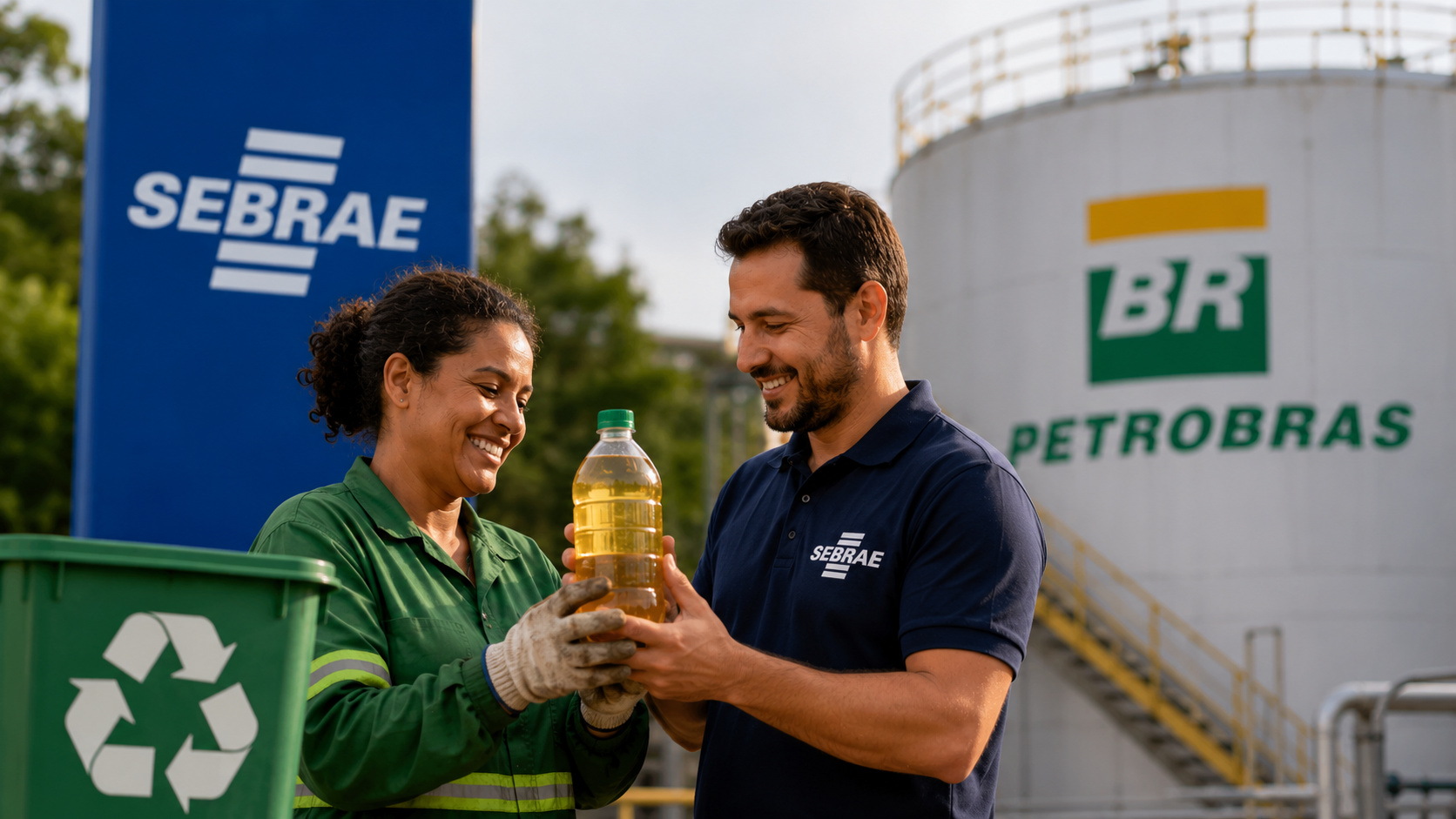
Sebrae and Petrobras join forces in Ceará to include waste pickers in the circular economy and strengthen the biofuel chain, creating new income opportunities and expanding the sustainable use of waste with a direct impact on regional development.




Historically, cooperativism in Rio Grande do Sul integrates production, society, and market in an exemplary manner. Since its origins, Gaúcho cooperatives have distinguished themselves not only by their economic strength but also by their commitment to local communities.
This way, they ensured that prosperity reached all involved. Over the years, this model has become a reference for sustainable practices, naturally aligning with ESG principles.
Thus, the ESG debate within cooperatives transforms the daily lives of producers, collaborators, and consumers, moving beyond being just a theoretical concept.
The Gaúcho cooperativism has also historically invested in education and training. Since the first cooperatives, they implemented technical and social training programs so that members could make more informed decisions.
This ensured that economic development progressed alongside social responsibility.
Consequently, the ESG debate builds solid foundations for the future, the result of decades of experience and collective learning.
The House of Cooperativism as a Sustainability Hub
At Expointer 2025, the Ocergs System organizes the traditional House of Cooperativism, a space that functions as a true hub for strategic discussions and practical experiences.
The venue’s scenography, inspired by the various biomes of Rio Grande do Sul, connects the natural wealth of the state with the need for preservation.
Moreover, every detail of the environment helps visitors perceive the relationship between sustainability and productivity, reinforcing that cooperativism is essential for a more balanced future.
The highlight of the House of Cooperativism is its programming focused on the ESG debate, featuring panels and lectures with renowned national experts.
For instance, journalist Giuliana Morrone, known for her work on social impact topics, will moderate the panel “ESG That Transforms”, reflecting on how sustainable practices generate concrete results for communities and companies.
Similarly, Martha Gabriel, an international reference in innovation, will present the lecture “The Future is Coop”, exploring the integration of technology, innovation, and governance in cooperatives.
Journalist Rosana Jatobá will lead a discussion on water and climate challenges, highlighting the need for sustainable strategies to address environmental changes affecting agriculture and society.
The space also hosts workshops and meetings to engage young people and small producers. This way, it increases participation in the ESG debate and prepares the next generation of cooperativists to face global market challenges.
This educational approach reinforces that sustainability is not just a business practice, but also a commitment to forming conscious and responsible citizens.
Furthermore, by bringing youth closer to cooperativism, the Ocergs System strengthens the culture of cooperation and socio-environmental responsibility.
Success Stories That Illustrate ESG Practices
In addition to theoretical discussions, the ESG debate at Expointer gains practical dimension with the presentation of successful cases from Gaúcho cooperatives.
For example, Aurora will show how the adoption of TetraPak packaging strengthens the circular economy, reduces environmental impacts, and promotes social responsibility.
Likewise, Coasa will detail its soil management initiatives, demonstrating that productivity can go hand in hand with environmental preservation. This reinforces sustainability as an ongoing practice rather than just a discourse.
In terms of competitiveness, cooperatives also demonstrate how the ESG agenda brings strategic advantages.
Cooperlíquidos will present its sustainability certifications, showing how these seals add value to the product and the brand.
Sicredi will highlight the importance of green credit, proving that financing sustainable practices stimulates economic development alongside environmental responsibility.
Additionally, in a remarkable example of inter-cooperation, Cotripal will present its irrigation project, demonstrating how technology and collaboration among cooperatives strengthen sustainable agriculture.
Coprel will also participate, highlighting energy solutions that promote the sustainable development of the communities it serves.
Other complementary initiatives, such as programs for reducing carbon emissions and efficient water use, prove that Gaúcho cooperatives meet global demands.
These projects reinforce that the ESG debate is not limited to the local sphere. They position Rio Grande do Sul on the international stage, demonstrating that it is possible to unite tradition and modernity sustainably.
The Historical and Global Impact of the ESG Debate
The ESG debate promoted by the Ocergs System highlights the historical transformation of cooperativism, which goes beyond agricultural production.
In recent years, the concept of ESG has integrated business strategies and management decisions, becoming central to the competitiveness and longevity of cooperatives.
This movement results from a cultural and economic shift, where consumers, investors, and society demand environmental and social responsibility from organizations.
In the Gaúcho context, this evolution reinforces the role of cooperativism as a driver of social and environmental transformation. It strengthens links between countryside, industry, and community.
The importance of this debate transcends the state of Rio Grande do Sul. It aligns with global trends, where sustainability and transparent governance have become fundamental criteria for companies across all sectors.
Gaúcho cooperatives, by integrating ESG practices into their operations, demonstrate that it is possible to reconcile economic growth with environmental and social care.
Thus, this vision creates a resilient production model, capable of facing challenges such as water scarcity, climate change, and demands for more sustainable products.
Bringing the ESG Debate Closer to Society
Another relevant point is communicating the ESG debate to society.
The exhibitions, activations, and the SomosCoop Market help the public understand how sustainable practices bring concrete benefits.
Furthermore, this approach reinforces the value of cooperatives as transforming agents, showing that cooperativism is simultaneously economic, social, and environmental.
By democratizing access to information and experiences, the Ocergs System contributes to raising awareness about the importance of responsible choices in all spheres of society.
In summary, by strengthening the ESG debate at Expointer 2025, the Ocergs System reaffirms its commitment to sustainability and innovation.
The integration of panels, lectures, success stories, and practical experiences demonstrates that Gaúcho cooperativism meets global demands without losing its historical essence of caring for people and the environment.
This movement shows that the ESG agenda is not just a trend but a necessity for the future of the agricultural sector and the communities that depend on it.
The legacy left by these initiatives shows that cooperativism can inspire other regions and sectors to adopt a responsible development model.
By combining tradition, innovation, and responsibility, the Ocergs System presents a vision for the future where the ESG debate occupies a central role.
This way, it creates pathways for a more sustainable, competitive, and socially inclusive agriculture.
Thus, Expointer 2025 is not limited to being an agricultural fair, but transforms into a space for reflection and learning about how sustainable practices transform the field, strengthen the economy, and connect people.
With this, the presence of the Ocergs System and its House of Cooperativism confirms that Gaúcho cooperativism is prepared to face the challenges of the 21st century, promoting a development model based on ESG principles and inspired by tradition, innovation, and social commitment.





Be the first to react!