






 Portuguese
  Spanish


Wind-powered water pump created by a teenager from Pernambuco uses recyclable materials, reduces costs, and can facilitate access to water in rural areas.
The wind-powered water pump developed by a student of only 14 years old is drawing attention for offering a sustainable solution to one of the biggest challenges faced by rural communities: access to water.
Created by Lucas Figueiredo Medeiros from Pernambuco, the equipment operates without electricity or fuel, uses recyclable materials, and can be produced at a significantly lower cost than conventional models.
Sustainable technology bets on wind power to capture water
The young man’s proposal arose from the reality experienced by thousands of families in the northeastern semi-arid region, where water scarcity and lack of infrastructure force residents to travel long distances daily in search of wells, cisterns, or reservoirs.
-
Pigeons Trained to Detect Cancerous Changes in Medical Images Astonish Scientific Community

-
Plastic Waste from Beaches and Poor Communities in Kenya Transformed into School Desks, Replacing Wood in Classrooms and Turning Marine Litter into Durable Study Tables

-
Your Old Gmail Address Might Be Obsolete Soon: Google Introduces Feature Changing Account Usage.
-
Lost Fossil Found in Brazil Unveils 240-Million-Year-Old Reptile Predating Dinosaurs, Redefines Evolutionary Map and Highlights Southern Brazil’s Role in Understanding Crocodile and Dinosaur Ancestors


Thinking of a simple and accessible alternative, Lucas developed a wind-powered water pump capable of extracting water using only wind energy.
The prototype was built with repurposed materials, including PET bottles, PVC pipes, metal scraps, and components taken from old equipment, reducing manufacturing costs.
During the research to execute the project, Lucas reveals that his invention can cost up to 70% less than traditional equipment available on the market.
How does the water pump work?
The equipment operates through a completely mechanical mechanism. The blades are driven by the wind and transmit the movement to a shaft responsible for activating the pumping system, which brings the water to the surface.

As it dispenses with electric motors or fuel-powered equipment, the solution can be used in isolated regions where access to electricity is still limited or nonexistent.
Another advantage is the ease of maintenance. The structure was designed so that residents of the communities themselves can carry out repairs and replace parts using easily obtainable materials, reducing the dependency on specialized technical assistance.
Project can benefit communities in Brazil and other countries
Although it was initially designed to serve regions of the Brazilian semi-arid, the project has the potential to reach a much larger scale.
The estimates presented by those responsible for the initiative indicate that the wind-powered water pump can benefit many people in different parts of the world facing similar difficulties related to water supply.
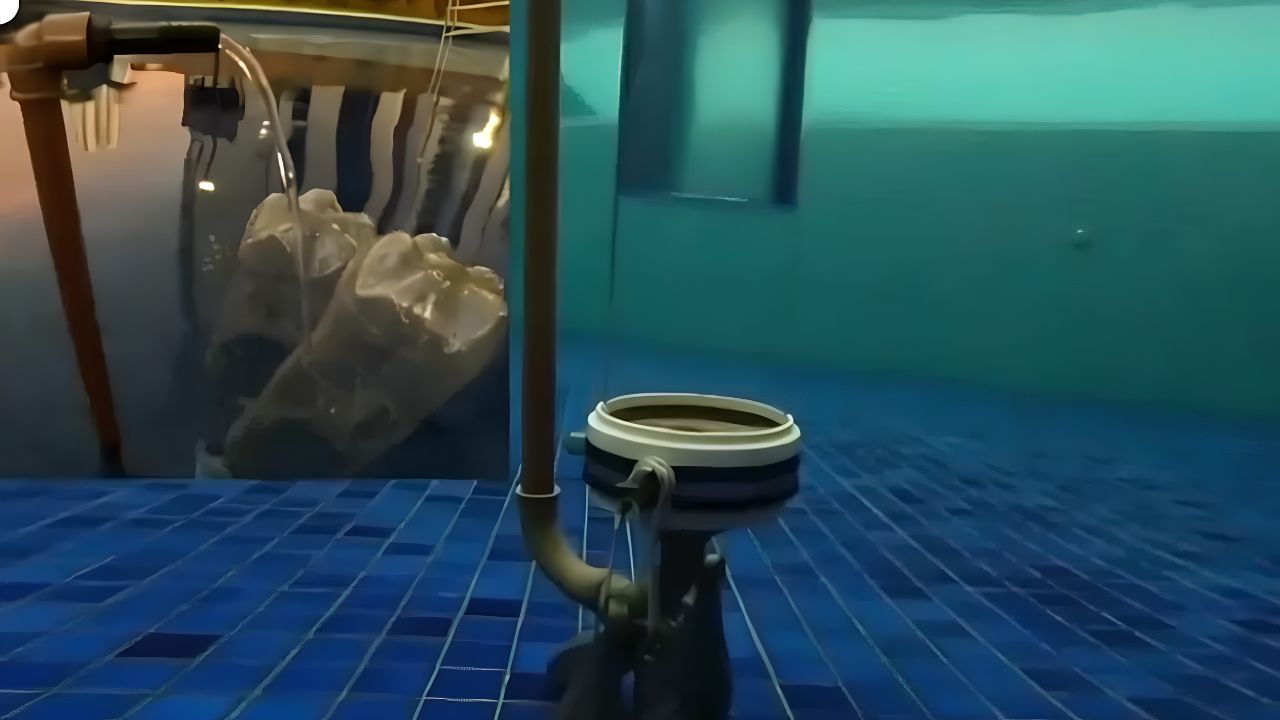
In addition to expanding access to potable water, the technology also helps reduce operational costs and encourages the use of renewable energy sources.
Invention by Brazilian student receives international recognition
The project surpassed the school environment after being presented at science fairs, gaining prominence in national and international competitions.
The performance led Lucas Figueiredo Medeiros to represent Brazil at scientific events abroad. In 2025, the student received an international award in Abu Dhabi, United Arab Emirates, dedicated to initiatives that combine clean energy, technological innovation, and social impact.

The recognition established the invention as an example of low-cost social technology, demonstrating how simple solutions can contribute to addressing historical problems related to water access and the sustainable development of vulnerable communities.
With information from Portal 6 and g1


