






 Portuguese
  Spanish
  3 min of reading
  0 comments


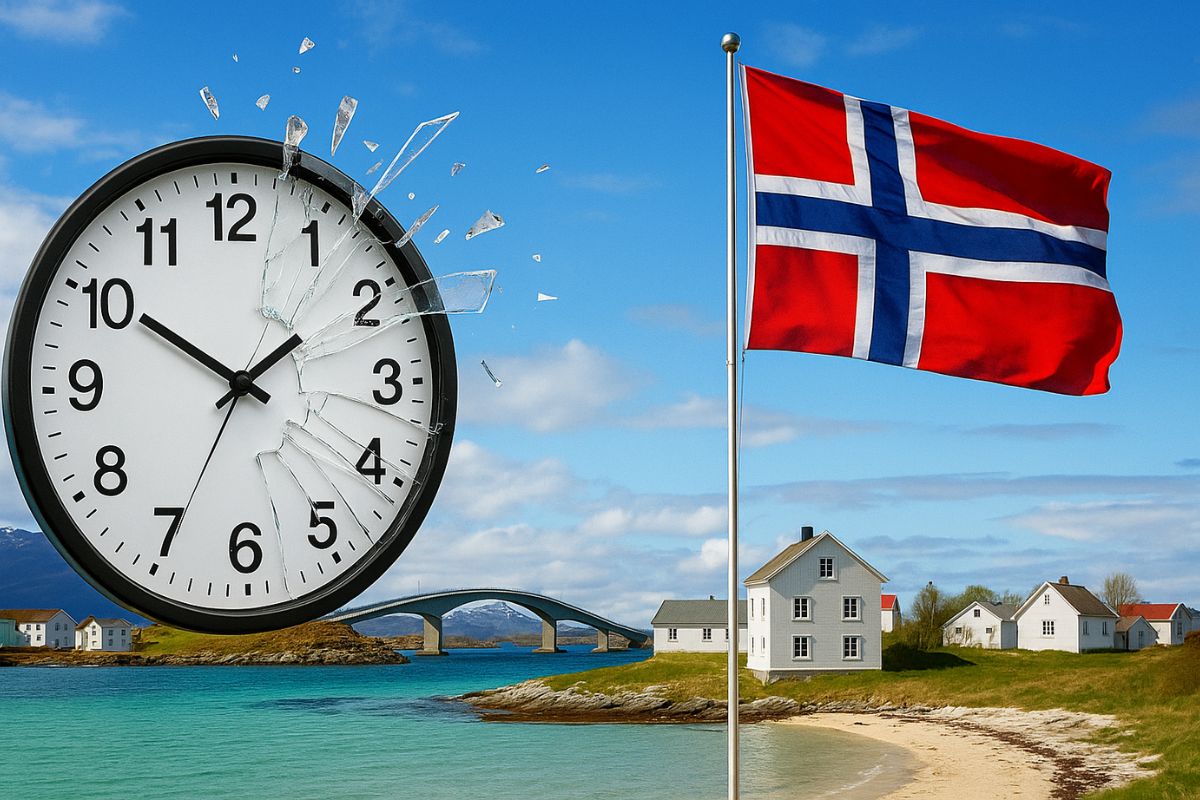
Located in Norway, Sommarøy Island Abandoned Fixed Schedules, Lives Without Clocks and Challenges Modern Logic of Time
Sommarøy is a small island in the far north of Norway that gained worldwide fame for an unusual reason: there, time simply does not exist. Clocks have been retired, routines follow biological rhythms, and no one worries about the passing of hours.
The proposal arose in response to the extreme light and darkness cycles in the Arctic Circle. During the summer, the sun shines 24 hours a day for more than two months. In winter, darkness prevails for almost 70 consecutive days. Faced with this unique reality, the residents decided to abandon the clock and adopt a freer, more spontaneous way of life.
A Social Experiment Outside of Time
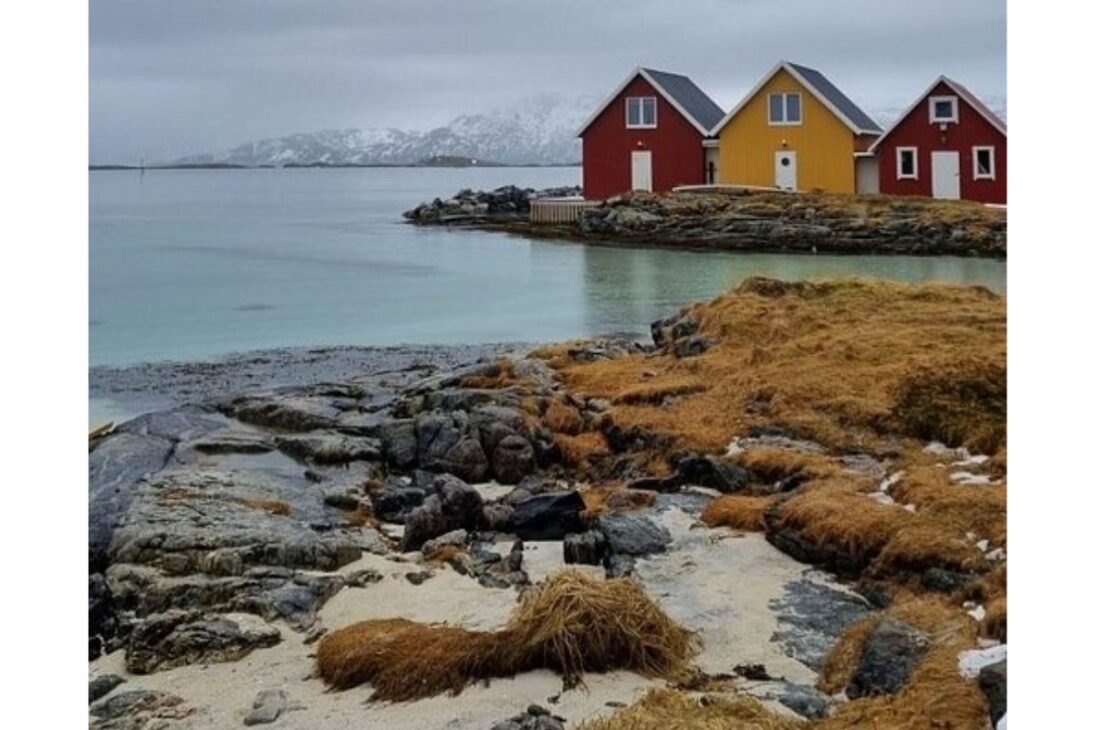
The collective decision was marked by a symbolic gesture: the residents hung their clocks on the bridge that connects Sommarøy to the mainland, as a form of protest against the rigidity of conventional time. Instead of set hours, activities began to respect individual needs — whether mowing grass at 3 a.m. or swimming in the sea under the midnight sun.
-
Bali transformed volcanoes into a sacred system with 5 rice terraces, water temples, and 19,500 hectares, but the ancient engineering that supports farmers now faces tourism, construction, and the risk of losing its living landscape on the volcanic island.

-
Two young inventors create a terracotta brick that uses water, air, and solar energy to cool cities, and the idea points to buildings that stop worsening urban heat.

-
Without power for millions, Madagascar receives a proposal for a floating hydroelectric plant inspired by the baobab that promises clean energy, greenhouses, and tourism, but still needs to be realized.
-
China has a giant rice terrace carved over 1,300 years in the mountains, with up to 3,000 terraces, 82 villages, and 445 km of canals, but the ancestral work that overcame droughts now faces growing tourism, landslides, and rural abandonment.


This “time-free zone” gained international visibility starting in 2019, when Kjell Ove Hveding, a resident of the island, presented a petition to the Norwegian parliament requesting official recognition of the new lifestyle. The proposal was driven by the idea of combating stress and depression associated with the timed routine of major cities.
Today, Sommarøy Island has become a symbol of an alternative to the fast pace of modern life. Schools, shops, and businesses operate without fixed hours, respecting the natural dynamics of light cycles and the autonomy of the residents.
Nightlife Under the Midnight Sun
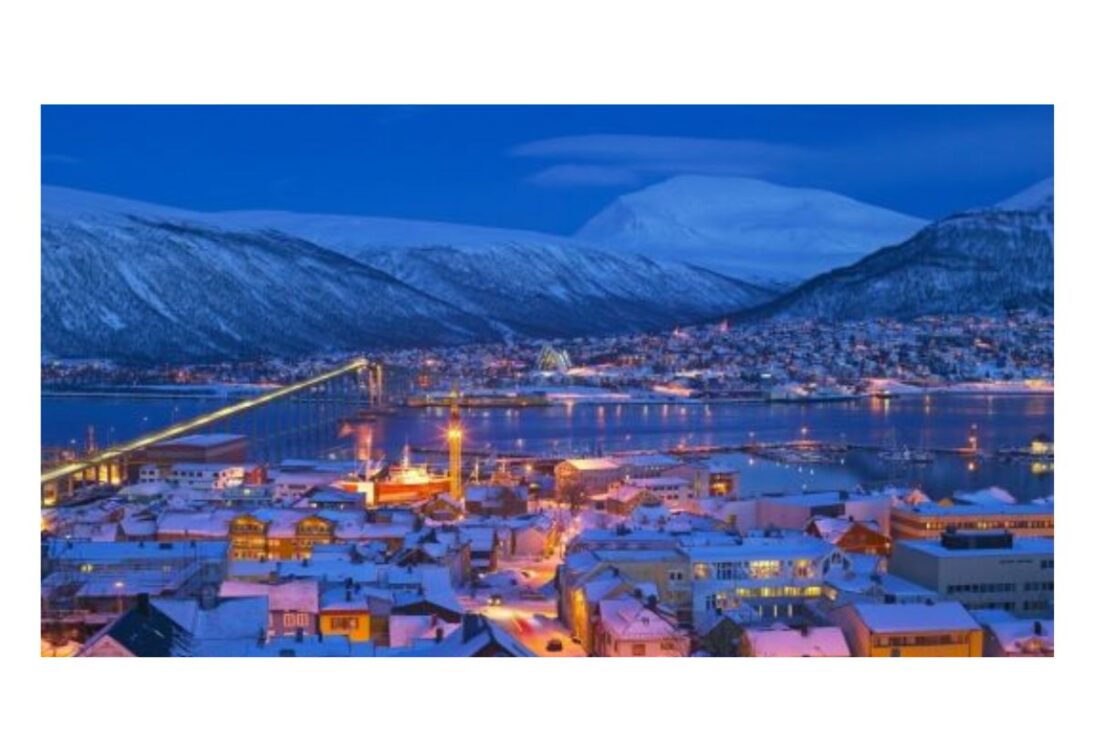
With about 350 inhabitants, the island’s economy revolves around fishing and tourism. The absence of schedules attracts curious visitors looking to experience a radical form of freedom. Many report the positive impact of living a few days without worrying about the clock — and the challenge of readjusting to a “normal” routine.
Between June and August, when the sun does not set, it is common to see children playing ball at dawn, people tending to gardens in the early hours, or swimming in crystal-clear waters at 2 a.m. In winter, the dark sky comes to life with the spectacle of the northern lights, turning Sommarøy into one of Norway’s most fascinating destinations.
Criticisms and Skepticism
Despite popular support, the proposal is not unanimous among residents. Some merchants report difficulties dealing with traditional hours.
Still, the debate continues: is it possible to live without time? In Sommarøy, this question has ceased to be theoretical and has become a reality. The island proves that, for some, freedom begins by taking the watch off the wrist and listening only to one’s own rhythm.


-

-

2 people reacted to this.