Portuguese
  Spanish



After a decade of almond farming, with a 34% increase in cultivation, Spanish farmers fear repeating the same script of the lemon crisis and falling into debt too soon
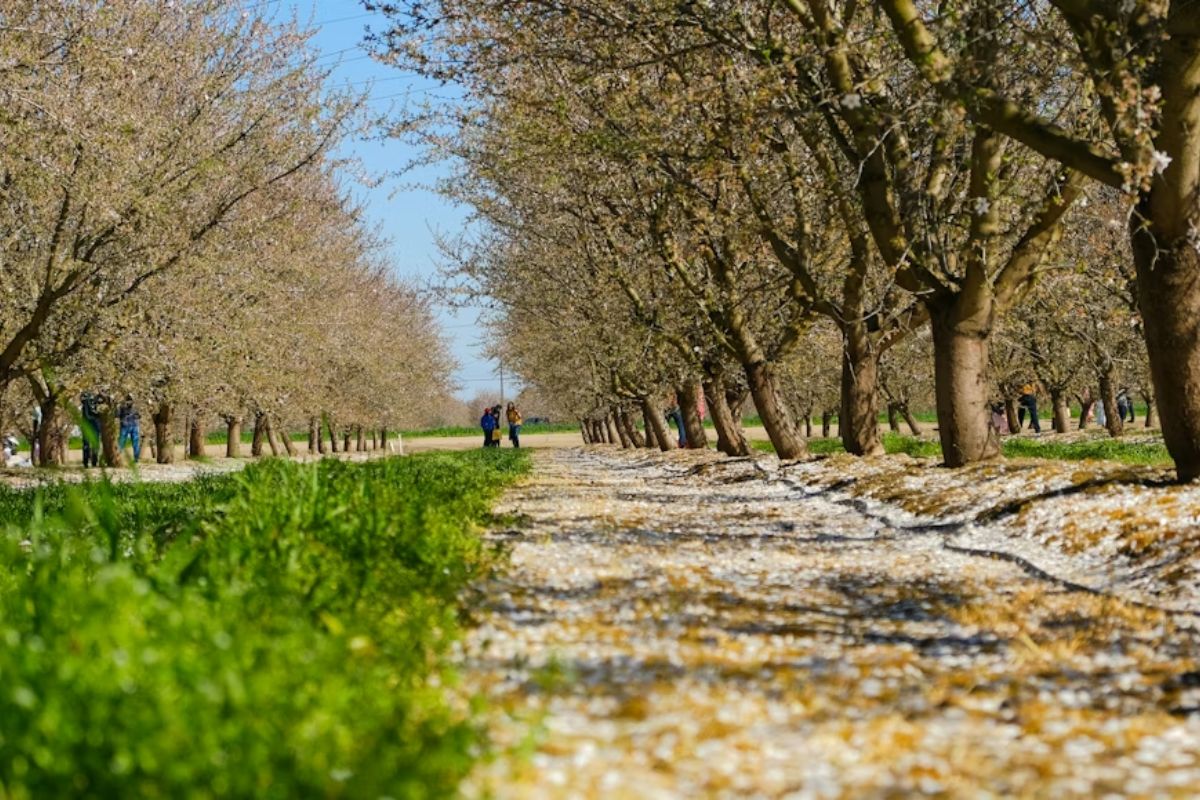
If you stop your car on a secondary road in the Spanish countryside, you will see what looks like a promise: rows and rows of almond trees. However, behind this beautiful landscape, there is a detail that is keeping many people awake at night. There are 126,000 hectares of almond trees that do not yet produce fruit, but will one day produce and, when that happens, the supply could explode in a market that is already at its limit.
The fear is not exaggerated. It is the feeling of watching a problem form in slow motion, with everyone knowing it’s coming and almost no one being sure how to brake before the damage occurs.
Why so many people bet on almonds
The almond has become “the trendy fruit” in the Spanish countryside, and there is a very practical reason for this: money. The logic circulating among producers was straightforward. One hectare of almond trees can yield double that of one hectare of orange trees, so planting seemed like an obvious choice.
-
At 35, Lawyer Leaves Corporate Career to Turn 1-Hectare Farm into Organic Supplier for Schools in Southern Brazil

-
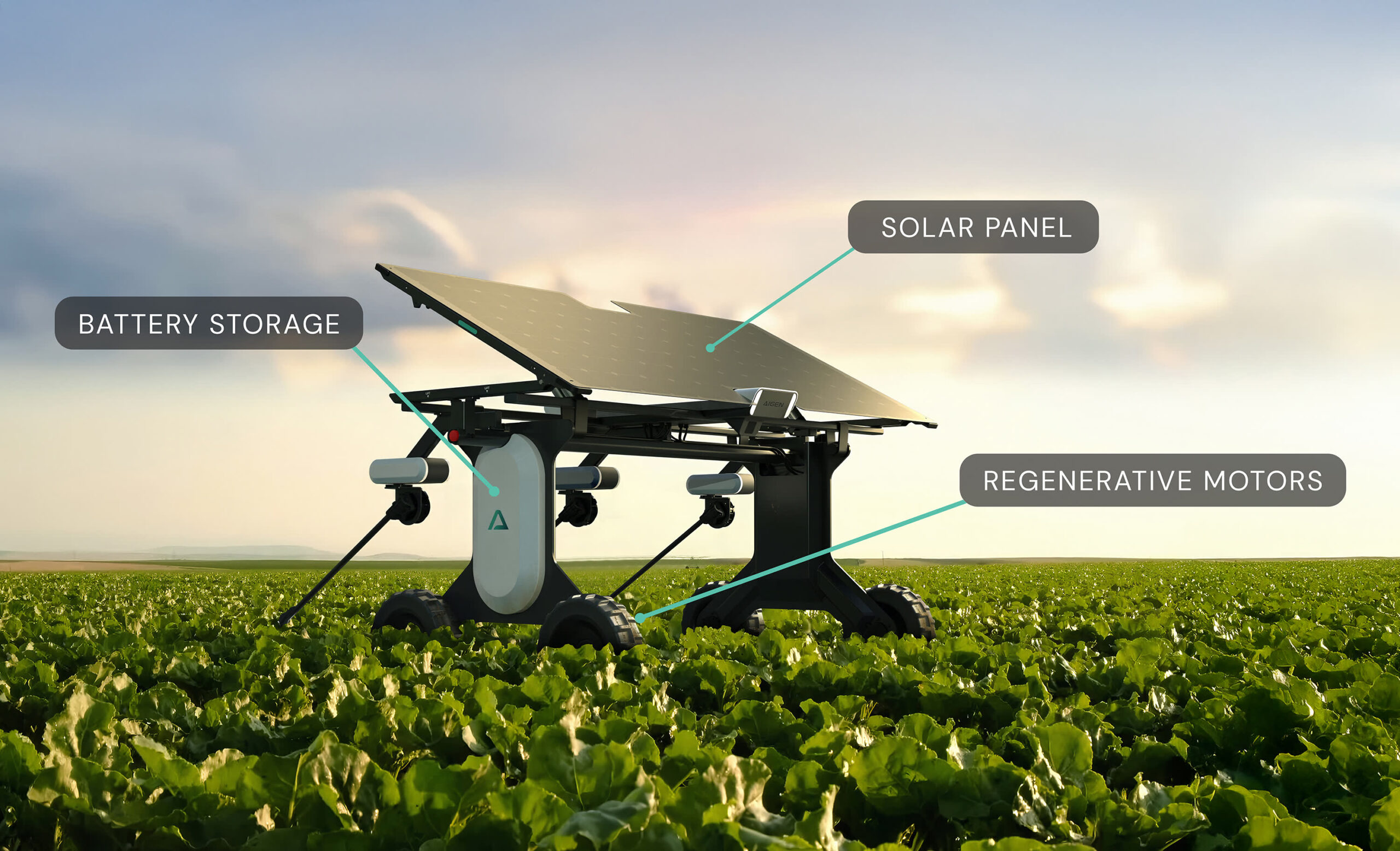
Solar-powered agricultural robots operate 24/7, remove weeds with 8mm precision, and aim to cut herbicide use without fuel consumption in the fields.

-
Brazilian Farmer Invents Low-Cost Tractor Using Motorcycle Parts, Efficiently Working 2 Acres on 1 Liter of Diesel

-
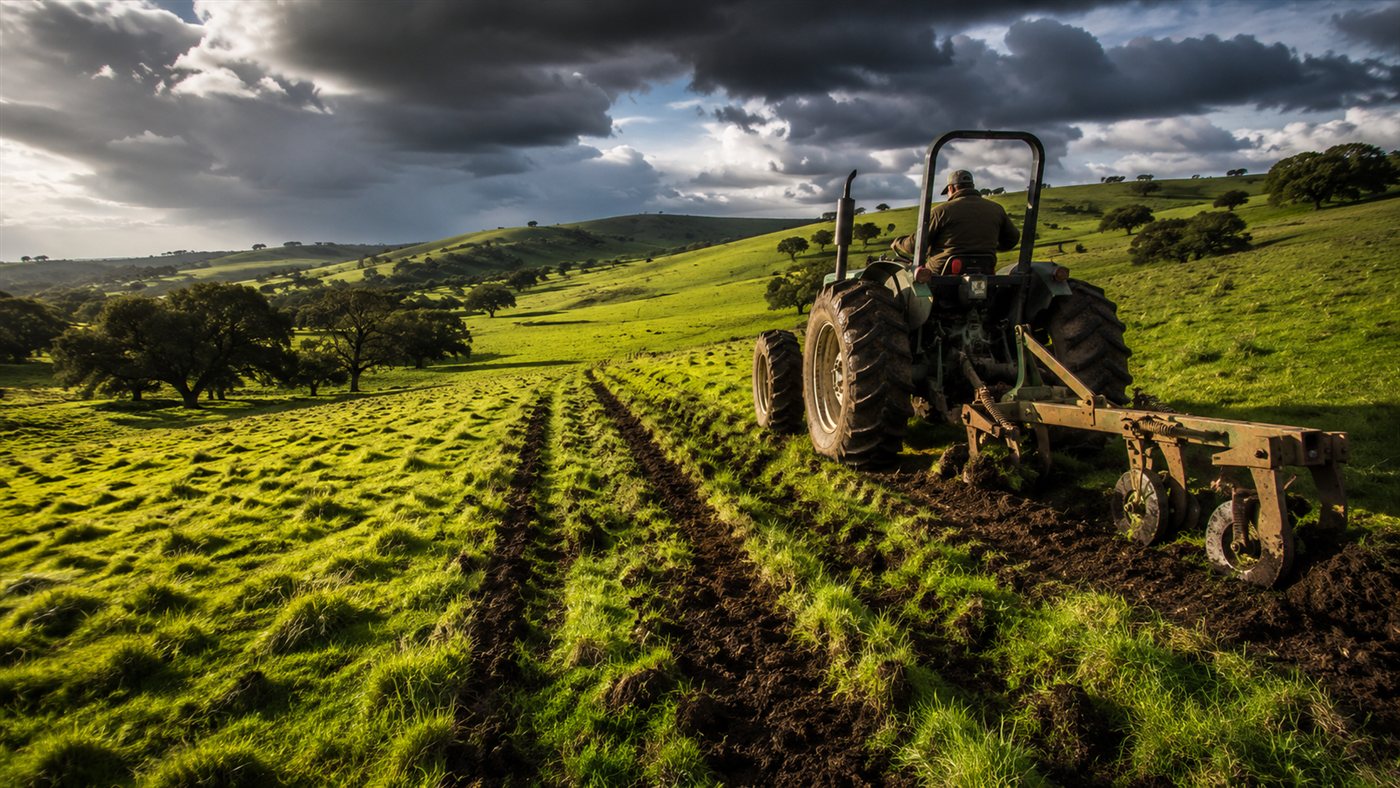
Regenerative Farmers Use Keyline Plow to Improve Pasture Hydration, Storing 1 Gallon of Water Every 30 Centimeters



Moreover, the optimistic discourse helped accelerate the rush. There was the idea that the global market was booming and that almonds would gain ground abroad for a long time. When everyone hears the same promise and sees their neighbor earning more, the effect is predictable: more people get involved.
The time bomb of the 126,000 hectares that have not yet matured
What is frightening is not just what already exists today, but what is “stored” for the future. These 126,000 hectares have not yet reached maturity, but they will. And when they do, you cannot turn off a tree like you turn off a machine.
This is the cruel part of the agricultural cycle. Between planting and harvesting, there is a waiting period that creates a false calm. The market seems stable for a while, but that’s only because a huge part of the production has not yet arrived. When it arrives, it comes all at once.
Spain is already a power in almonds and the growth has been too rapid
In ten years, almond cultivation has grown by 34%, and Spain is already the second largest producer of almonds in the world. This shows that it was not a small movement; it was a structural change.
When a crop spreads at this pace, it begins to push the market itself to its limits, because each new orchard is a long-term bet. And a bet, when it works out, becomes an example. When it goes wrong, it becomes debt.
The déjà vu of the lemon crisis
The comparison that appears in the base is direct: the situation resembles the same mechanism that led to the lemon crisis. First, the price rises and makes everyone believe they have found a safe path.
Then comes uncontrolled expansion. Next, a waiting period while the trees reach fruit-bearing age. And then, when the volume finally enters the market, saturation appears and prices collapse.
It is at this point that the “promised profit” becomes a real problem. Those who invested expecting high prices may find themselves trapped in a scenario where they sell for less than they need to cover financing, orchard maintenance, and daily costs.
The risk of debts coming too soon, again
The central point is that many people planted believing that prices would stay high when the harvest began. However, the market does not forgive excess supply.
If too many almonds enter a market that does not need them, the adjustment usually comes in the price, and the low price is what tightens the throat of those who have already gone into debt to plant.
The tragedy, as the text suggests, is seeing producers repeating a cycle that has already failed in other crops. The desperation for stable income pushes towards betting, and the bet can push towards bankruptcy.
If everyone knows what is coming, why is it so hard to avoid?
Because there is no simple “stop” button. The trees are already there. The investment has already been made. And the field cannot change direction overnight. The result is an uncomfortable feeling: we know what can happen, but no one knows exactly how to prevent it.
And this is the image that remains: an announced crisis, growing silently, while the almond trees continue to mature.
In your opinion, what would have a better chance of avoiding new debts in the Spanish field: slowing down planting now or creating strategies to market this production before the 126 thousand hectares start to bear fruit?