






 Portuguese
  Spanish


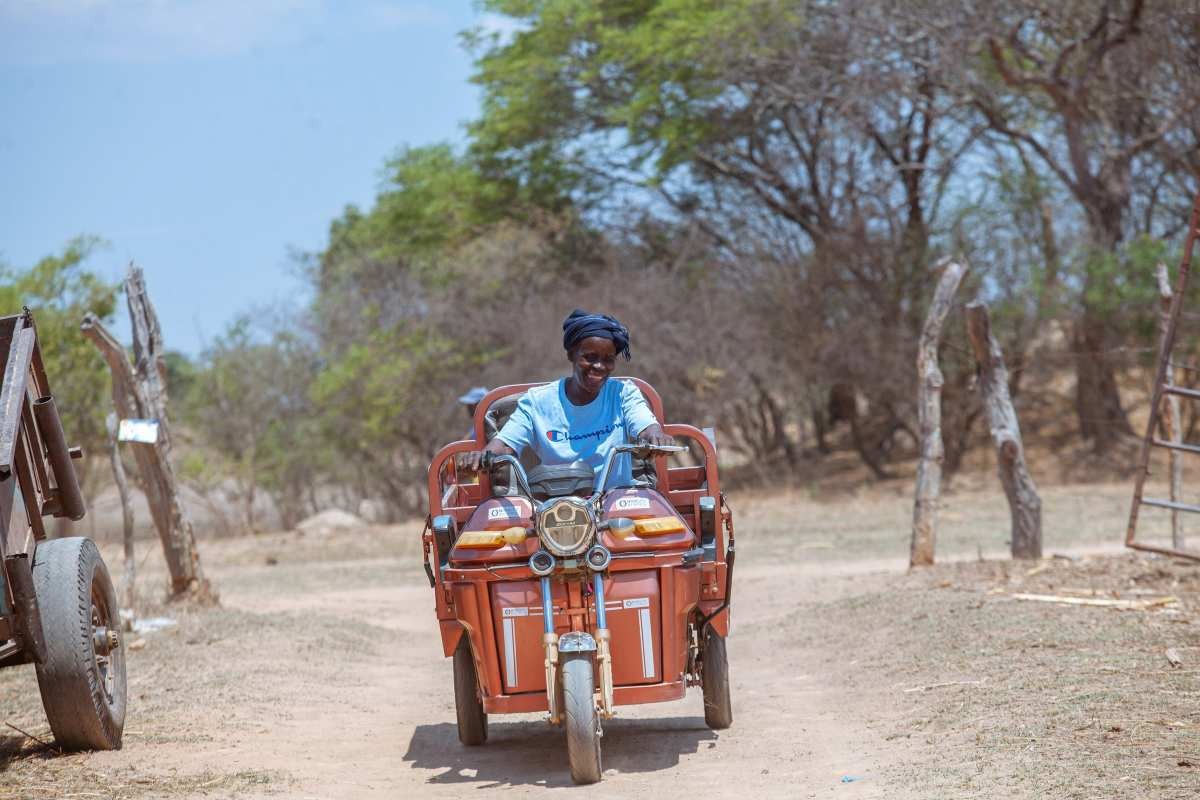


In The Interior Of Zimbabwe, An Electric Tricycle Powered By Solar Energy Is Changing The Lives Of Thousands Of Women. Created By The Startup Mobility For Africa, The Vehicle Brings Income, Autonomy, And Sustainability To Rural Communities That Used To Depend On Carts Or Long Walks.
In Zimbabwe, A Local Startup Is Changing The Reality Of Rural Communities With An Electric Tricycle Powered By Solar Energy. Called Hamba, The Vehicle Carries Up To 450 Kilograms And Aims To Improve The Mobility Of Those Who Suffer Most From The Lack Of Transportation: Women.
The Initiative Originated From Mobility For Africa (MFA), Which Focuses On Regions Without Access To The Electric Grid, Creating A Clean, Durable, And Affordable Solution.
Designed For The Field
Unlike Many Electric Mobility Solutions Aimed At Cities, The Hamba Was Specifically Developed For African Rural Areas.
-
UFG’s Innovative Use of Air Conditioner Drip Saves 400 Liters of Water Daily in Brazilian Public Building

-
China Builds Underwater Wall After Discovering Technology That Could Shift Military Balance in the Pacific, Study Reveals Why the Asian Power Reacted Now

-
After Over 8 Months in a Simulated Mars Habitat in Houston, 4 NASA Volunteers Communicate Almost Silently and Will Exit in October
-
Natural Phenomenon Turns Black Sea Turquoise Blue Due to Billions of Microscopic Organisms


With The Capacity To Operate More Than 30 Kms Per Day, It Replaces Ox-Carts And Hours Of Walking On Difficult Terrain.
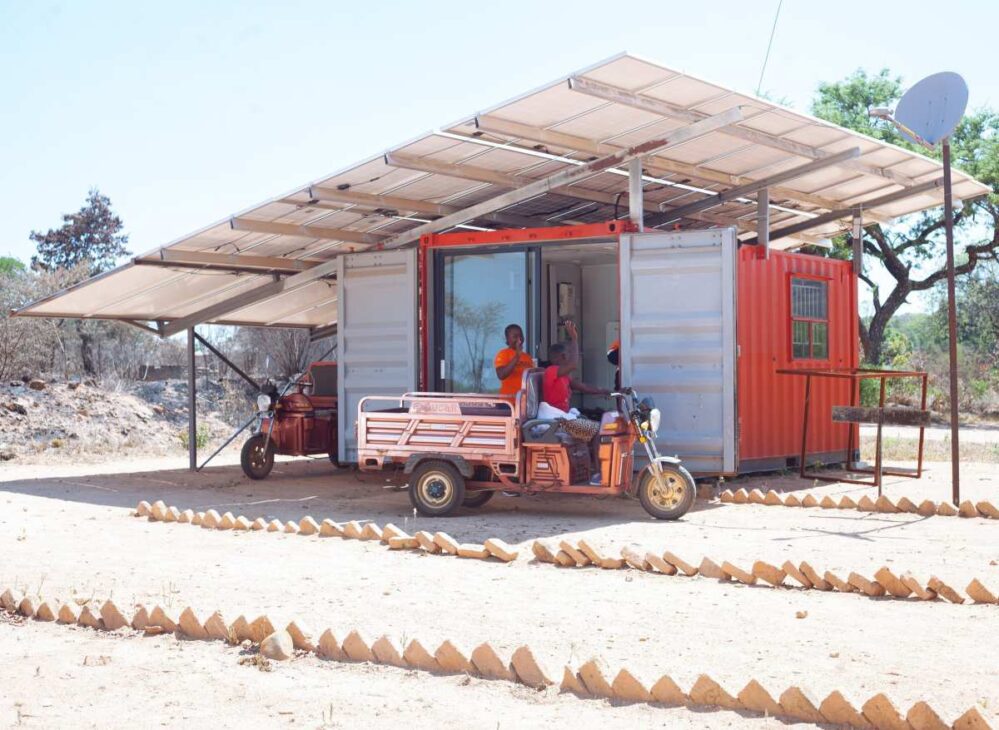
The Battery Is Lithium Iron Phosphate (LFP), Ideal For Withstanding Intense Heat And Constant Use. Since Most Of These Areas Lack Electricity, The Tricycle Features A 100% Solar Charging System.
The Goal Is Clear: To Provide Mobility Without Relying On Traditional Infrastructure.
The Solar Stations, Created In Partnership With InfraCo Africa, Allow For Quick Battery Swaps For Just US$ 5. This Prevents The Vehicle From Being Idle For Long Hours Awaiting Charging.
Women In Charge
One Of The Major Transformations Brought By The Hamba Is Female Empowerment.
About 70% Of The Tricycles Have Been Delivered To Women, Thanks To An Affordable Rental Model With Monthly Payments Starting At US$ 15. Many Are, For The First Time, Behind The Wheel Of A Motorized Vehicle.
As A Result, They Have Started Transporting Goods To The Market, Creating Small Delivery Businesses, And Improving Household Income.
Cases Like Anna Bhobho And Hilda Takadini Show The Direct Impact. Once Dependent On Others Or Animals For Transportation, Today These Women Are Responsible For The Household Finances And Are Leaders In Their Communities.
More Than 90% Of Users Report Feeling Safer Using The Hamba Than Walking Through Isolated Rural Areas.
Simplicity With Purpose
The Technology Used In The Tricycle Is Simple And Durable. The Motor Has Only One Moving Part, Which Reduces Breakdowns And Makes Repair Easier.
The LFP Battery Not Only Withstands High Temperatures But Also Supports Multiple Charge Cycles Without Significant Performance Loss. The Maximum Speed Of 60 Kms/h Is Sufficient For The Dirt Roads Where They Operate.
In Addition To Autonomy And Durability, The Hamba Contributes To Reducing Pollutant Emissions.
Without Relying On Fossil Fuels, It Improves Air Quality And Decreases The Need For Oil Imports, Something Strategic For African Countries.
Expansion Beyond Zimbabwe
With Positive Results In Zimbabwe, Other Countries Have Started To Show Interest. Uganda, Rwanda, And Ethiopia Are Considering Adopting The Model.
The Idea Is For The Hamba To Go Beyond Goods Transportation, Being Used Also To Take Children To School, Collect Waste, Or Distribute Medications.
Another Differentiator Is Mobility For Africa‘s Commitment To Open, Adapted Technologies.
This Allows Knowledge To Be Shared, Encouraging The Creation Of Green Jobs, Local Assembly, And Maintenance Within Communities. It Is Not Just About Providing A Vehicle, But Creating A Network Of Sustainable Autonomy.
The Hamba Represents More Than Innovation. It Has Become A Symbol Of Transformation, Dignity, And Independence In Historically Marginalized Regions.
Bringing Electric Mobility To The Field Is Not A Luxury, But A Necessity.
By Investing In Solutions Like This, The African Continent Demonstrates That It Is Possible To Grow With Inclusion, Sustainability, And Respect For The Reality Of Its People.





Noticia falsa, dá pra ver que se trata de um triciclo Chinês, está até no velocímetro que funciona a energia solar,mentira a bateria sim é recarregada numa estação,ele não se recarrega sozinho enquanto anda,e outra a China vem investindo na África,e financiando a implantação até de bombas d’água,que o governo **** não faz.querem forçar dizendo que é projeto Africano, más não é, é sim um triciclo Chinês.Zimbabue não tem tecnologia pra isso