





 Portuguese
  English
  Spanish
  5 min of reading
  0 comments


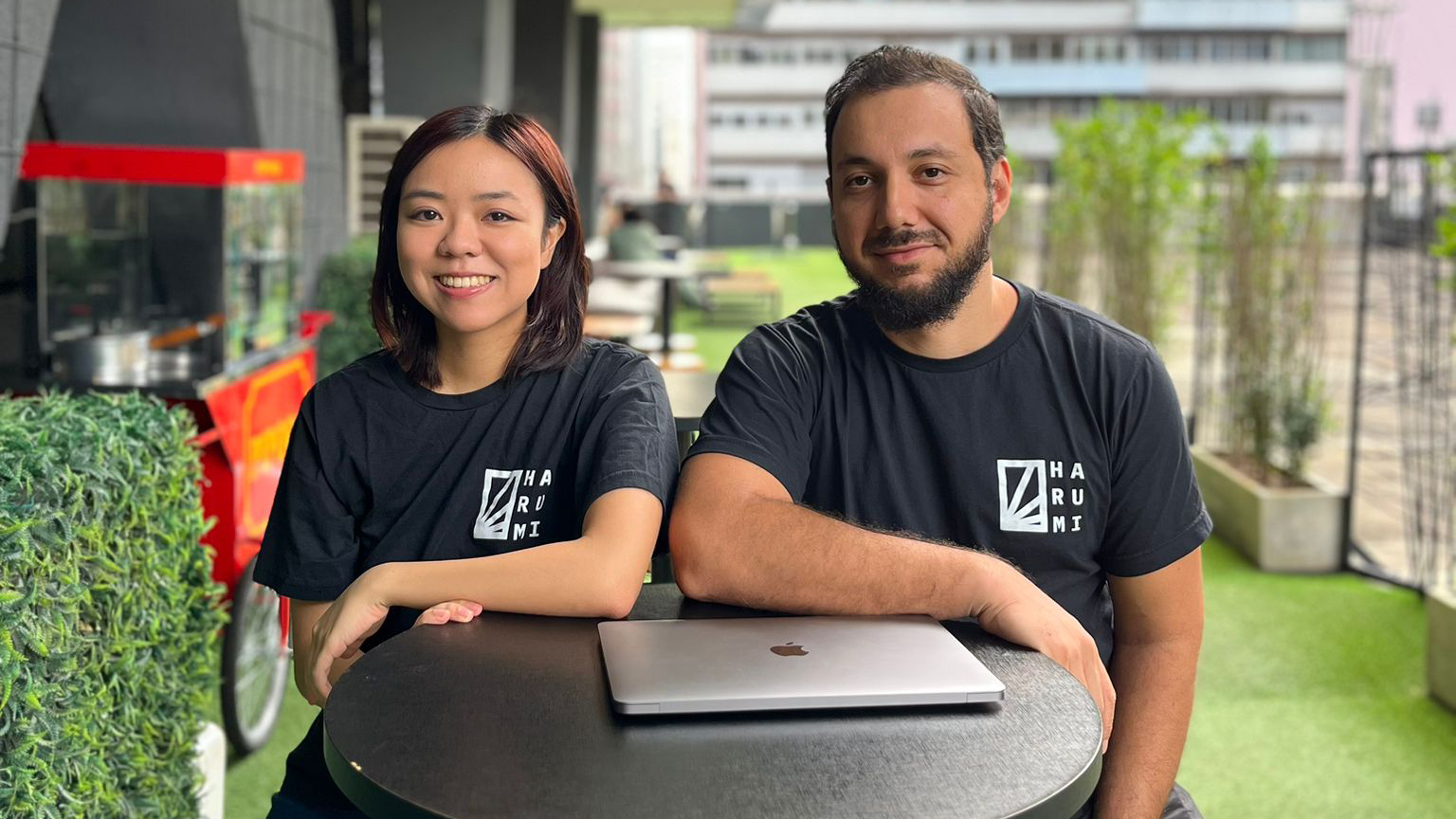
Harumi Uses AI And Model Generation In Python To Maximize Efficiency And Optimize Processes In Medium And Large Companies.
In a constantly evolving business world, process optimization has become an urgent necessity for companies wanting to remain competitive. The journey towards process improvement began gaining momentum in the late 2010s, when it became clear that an iterative approach alone was no longer sufficient. According to the 2019 International Business Review report, companies that adopted robust operational improvement strategies achieved an average increase of 30% in operational efficiency. Today, more than ever, it is crucial to undertake these changes to stand out in saturated markets.
With the ability to generate innovative solutions, process optimization heavily relies on emerging technologies. Since 2021, AI agents have played a vital role in enabling faster and more accurate data analysis. In the digital age, having tools that promote efficiency maximization is essential. However, many businesses face challenges in building highly skilled teams, a situation that has accelerated since the onset of the pandemic in 2020, according to research conducted by Tech Insights Magazine. To overcome this, the incorporation of technologies such as production programming is proving effective.
Maximizing Efficiency In Modern Companies
Since 2022, technologies aimed at maximizing efficiency have become a focal point. However, while these innovations offer great potential, they also require adaptable management and leadership practices. According to a January 2023 article from Business Analytics France, companies that adopted a holistic approach to operational improvement observed not only productivity gains but also a considerable improvement in employee engagement. This demonstrates that optimization is not just a technical issue but also a cultural one.
-
The ‘tsunami’ of investments directed at Artificial Intelligence (AI) and semiconductor companies, which prioritize security and more predictable profits, has been a determining factor in the declining trajectory of Bitcoin.

-
Samsung eyes strategic chip factory in South Korea and could shake up the global AI landscape with advancements in HBM memories and advanced packaging.

-
Nvidia makes agreements in South Korea for AI factories and takes data centers, advanced chips, and global cloud to another level by 2027
-
ChatGPT reveals which human job it would choose if it could really work


Furthermore, the strategic vision around process optimization drives growth. After implementing advanced technologies, corporations like Tech Innovate recorded a 20% increase in revenues in just six months, according to a report presented by the Global Tech Forum. Companies Are Transforming Into Efficiency Powerhouses by adopting these innovative practices. The role of leadership is vital in guiding teams through this disruptive journey.
In summary, process optimization is not just a passing trend but a continuous transformation. This movement is already rewriting the rules of business success. The modern era demands quick and effective solutions, and understanding how to maximize the aspects of business operations has become the foundation for growth. As analysts from Industry Leader Review emphasize, the key to success is then to integrate these practices in a sustainable and efficient manner.
Considering the growing demand for innovative and effective solutions in the business world, Miriam Koga, age 25, and Marcel Nicolay, age 37, founded Harumi, represented on the site Harumi <https://harumi.io/>. This company positions itself as an advanced deep tech operating at the critical intersection of academic knowledge and business optimization. The startup stands out by developing AI agents that support sophisticated mathematical modeling, allowing companies and startups to make quick and precise decisions, resulting in reduced operational costs and significant profit increases.
The Fundamental Role Of Harumi
The focus of these decisions is on process optimization such as work shifts, logistics routes, and production programming, as well as pricing management, among others. Harumi was established in late 2024, driven by the urgent need to improve complex processes with potentially high impacts on medium and large companies. The startup combines the robustness of mathematical modeling with model generation in Python and a user-friendly interface. This approach allows companies to achieve a 5% to 15% reduction in operational costs solely through process optimization. Although this percentage may seem modest at first glance, when translated into real values, especially in large corporations, it can easily result in savings reaching millions of reais, as Miriam explains.
Transforming The Business Landscape
Harumi’s clients start the process by documenting the specific context of their businesses on the platform, indicating which aspects they wish to optimize – whether in terms of cost, time, or both – as well as detailing the variables and constraints that must be considered. With this information, Harumi’s platform accelerates the entire process, from initial modeling to providing an interface that allows end users to run the models in real time. This reinforces the work of data science and operations research professionals, fostering informed and effective decision-making.
A New Era In Optimization
Currently, process optimization is often a luxury reserved for companies that can afford the high costs associated with structuring this area, usually through consultancies. This traditional method is often time-consuming, requiring extensive contextualization of the consultancy with the company’s internal operations – a process that includes in-person immersions and can take at least a month. Harumi, in turn, brings a paradigm shift by increasing the autonomy of internal teams, empowering them to optimize processes more quickly and accurately while also providing support tools and assistance in training these teams. As Miriam emphasizes, process improvement is becoming more accessible and agile.
Pillars Of Success And Recognition
As for the founders and the team behind Harumi, Miriam Koga has an academic background in materials engineering from the Georgia Institute of Technology and played a key role as a partner and one of the first employees of TRACTIAN, an industrial maintenance startup valued at R$ 4 billion today. Marcel Nicolay, for his part, served as product director at Wellhub and co-founder and CTO at Malga, a payments startup accelerated by the iconic Y Combinator, a renowned accelerator in Silicon Valley.
Harumi’s strategy has already caught the attention of influential and experienced angel investors. Among them are Michael Lehmann, former CAO of Volkswagen, Weber Porto, who served as former president of Evonik, a giant in the German chemical industry, and Ernée Filho, a member of the delivery optimization team at Mercado Livre and former operations research professor at UNESP. This support further solidifies Harumi’s capacity to make a profound impact on operational improvement and efficiency maximization in the corporate landscape.
Source: © fatocoletivo.4@gmail.com





Be the first to react!