Portuguese
  Spanish


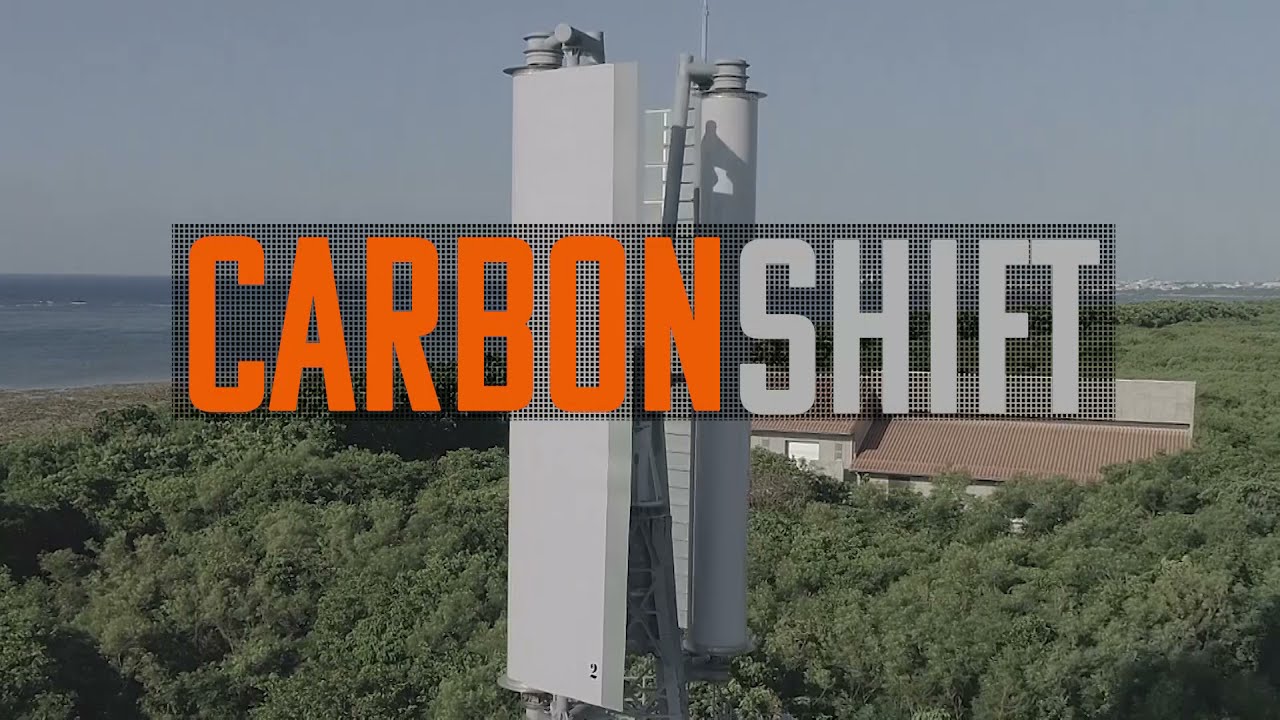

Japanese Startup Developed Wind Turbine That Promises to Withstand and Harness Energy from Typhoons and Storms. The Project Has Already Faced Its First Challenge and Delivered on Its Promises
The term “harnessing the power of nature” to generate electricity has gained traction, but what if there were a way to harness the destructive forces of nature like storms and typhoons? This is the proposal of an energy startup from Japan, which built the first wind turbine capable of withstanding tropical storms and capturing that tremendous energy in countries that are devastated by typhoons and storms, where conventional wind turbines need to be turned off.
Read Other Related News
Wind Turbine Promises to Change Renewable Landscape and Cause Fewer Incidents
Japan Faces About 26 Typhoons and Low-Altitude Storms Annually on Average, and Thus the Installed Capacity for Wind Energy in the Country Is Still Small.
The Founder of Challengergy, Atsushi Shimizu, Radically Changed the Function and Appearance of the Traditional Wind Turbine to Allow It to Generate Energy Under Extreme Storm and Typhoon Conditions.
-
World’s Largest Engie Solar Plant in Brazil Highlights Billion-Dollar Energy Waste Issue: Company Considers Batteries and Bitcoin Mining to Avoid Wasting Production

-
Air Products Cancels $2.9 Billion Clean Hydrogen Megaproject in Louisiana, Shuts Down Arizona Unit, Highlighting High Costs of U.S. Energy Transition
-
Over 60 Tractors Take to the Streets in Lopera as Solar Parks Compete with Olive Groves, Affecting 13,000 to 100,000 Trees According to Conflicting Reports

-
Green Hydrogen Projects in Northeastern Brazil Stalled for 18 Months Awaiting Government Decree, Delaying Billions in Investments


Magnus Wind Turbine Features Large Vertical Blades That Rotate Around a Horizontal Axis, Which Is Completely Opposite to the Sharp and Long Blades That Rotate on a Vertical Axis in Conventional Wind Turbines.
Wind Turbine That Harnesses Typhoons and Storms Faces Its First Challenge

The Company’s Wind Turbine Was Not Erected Long Before Its First “Test” Arrived, Typhoon Kiko, a Category 5 Storm with Winds Exceeding 249 km/h, Making It the Second Strongest Typhoon Since 1987.
The Wind Turbine Began Operations on the Eve of the Typhoon and Continued to Operate Normally Until the Early Morning of September 11, When It Reached Its Maximum Energy Generation Capacity of 11 kWh of Net Power, Even in Strong Wind Conditions. At 6 a.m., the Wind Turbine Stopped Operations upon Reaching Its Designed Maximum Rotational Speed Before the Eye of the Typhoon Passed.
After the Typhoon Regained Its Strength, It Became Difficult to Obtain Speed Data Due to Poor Anemometer Connectivity. Although the Wind Turbine Exceeded Its Projected Maximum Allowable Speed, There Was No Major Damage or Structural Issues with the Support Arms or the Tower. The Cylinder and Rectifier Plate of One of the Blades Were Partially Damaged Due to a Collision with Flying Debris.
Startup Comments on the New Wind Turbine Project
According to Shimizu, Who Founded the Startup in 2014 After a Nuclear Disaster in Fukushima Inspired Him to Enter the Renewable Energy Sector, One of the Project’s Goals Is to Transform Typhoons and Storms into a Force.
The Executive Stated That If It’s Possible to Partially Harness the Enormous Energy From Natural Disasters, There Are Chances of Considering Them Not Only as Disasters but Also as a Source of Energy.
The Startup’s First Demonstration Unit Was Installed on the Island of Batanes in the Philippines, a Country Composed of 7,600 Islands That Faces Serious Issues Maintaining Rural Electric Grids and Experiences an Average of 16.8 Typhoons Annually.