Portuguese
  Spanish


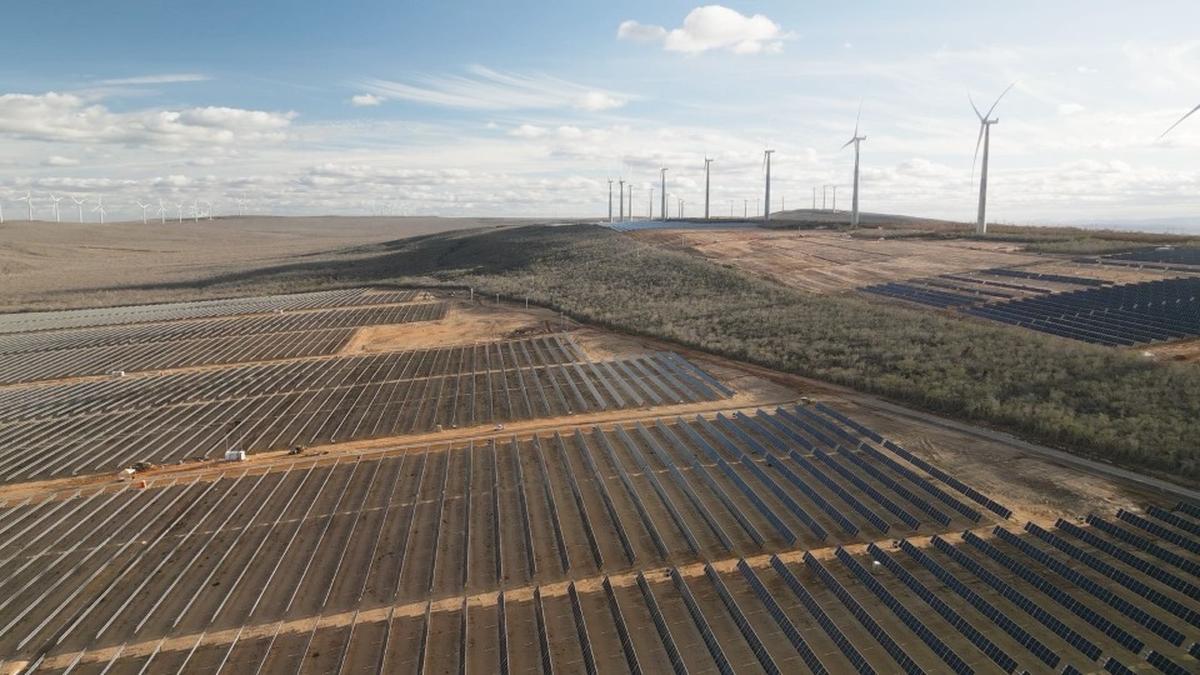

Statkraft, The Largest Renewable Energy Generator In Europe, Inaugurates Hybrid Solar Plants At COP30 And Consolidates Its Presence In The Brazilian Market With Projects That Expand Clean Energy And Strengthen Global Climate Goals
During COP30, held in November 2025 in Belém, Statkraft inaugurated new solar projects and storage systems that are now part of its expansion in the Brazilian market. Additionally, these ventures were presented as part of the reinforced climate goals at the event and the company’s global clean energy strategy.
Statkraft Inaugurations During COP30 In Brazil
The inauguration took place simultaneously in Belém and Morro do Cruzeiro, Bahia, where executives and employees participated in person. Furthermore, the event was streamed live to all Statkraft units. The ceremony was attended by the Norwegian Minister of Climate and Environment, Andreas Bjelland Eriksen, CEO Birgitte Ringstad Vartdal, International Executive Vice President Fernando De Lapuerta, President Director in Brazil Thiago Tomazolli, and the President of BahiaInvest, Paulo Guimarães. Thus, they all formalized the start of operations for two hybrid solar plants in the interior of Bahia.

Hybrid Solar Projects And Their Role In The Renewable Matrix
The two hybrid complexes will produce 3,266 GWh annually, as presented by Statkraft in the official announcement. In addition, the ventures combine solar, wind, and battery systems to ensure stability in supply. As a result, these parks strengthen the national renewable matrix with continuous generation and a reduction in the use of fossil sources. Thus, the plants expand the company’s installed capacity in Brazil and strengthen the energy sector in the Northeast.
-
After a Year of Success in Switzerland, Solar Railway Attracts Italy’s Interest for Clean Energy Transformation

-
Robots Clean Solar Panels in Desert Power Plants Without Water, Preventing Energy Losses
-
Brazil’s Offshore Wind Energy Potential Worth $1 Trillion Stalled by Long-Delayed Agreement

-
World’s Largest Engie Solar Plant in Brazil Highlights Billion-Dollar Energy Waste Issue: Company Considers Batteries and Bitcoin Mining to Avoid Wasting Production



Contribution To Climate Goals And Scenarios From The Green Transition Scenarios Report
The report Green Transition Scenarios 2025, released by Statkraft in October 2025, indicates that global warming could be limited to 1.9°C in the most optimistic scenario. Furthermore, the study emphasizes that the limit of 1.5°C requires a faster pace of emission reductions. On the other hand, if the energy transition does not keep pace with the climate urgency, the temperature could rise 2.4°C by 2050. Therefore, Fernando De Lapuerta stated that the combination of solar, battery, and wind energy is the fastest and most accessible way to cut global emissions.
Social Actions, Training, And Environmental Commitment Of Statkraft
Statkraft reinforced social initiatives with job opportunities and technical qualification programs linked to the new solar projects. Moreover, the company highlighted that it works directly with local communities to reduce environmental impacts and strengthen regional infrastructure. Thus, Thiago Tomazolli stated that the company prioritizes positive social impact and community partnerships. Therefore, environmental mitigation actions and development programs have become part of the implementation of the hybrid plants.
Statkraft’s Definitive Entry Into The Brazilian Solar Market
The inauguration of the projects marks Statkraft’s definitive entry into the national solar sector. Furthermore, the ventures were conceived and executed entirely by the company. With the new plants and the storage system, Statkraft Brazil’s portfolio will reach 2.3 GW of installed capacity. Consequently, the company will consolidate its position among the largest renewable generators in the country.
Regional Impacts And Connection With The Development Of The Northeast
The projects reinforce the Northeast’s role as one of the most strategic regions for renewable energy. Furthermore, they boost new local growth opportunities, as highlighted by Fernando De Lapuerta. As a result, Statkraft will expand the use of the country’s solar and wind resources. Thus, the complexes will integrate long-term plans for sustainable energy expansion.
Changes That Reinforce The Advancement Of Clean Energy
The inaugurations confirm Statkraft’s long-term strategy to expand renewable energy in Brazil. Furthermore, they reinforce commitments made during COP30 with goals aligned to the Paris Agreement. Thus, the expansion of hybrid projects consolidates a new chapter for the national energy transition.
And, in light of this renewable acceleration, how far can the combination of solar, wind, and batteries transform the Brazilian energy future?