Portuguese
  Spanish


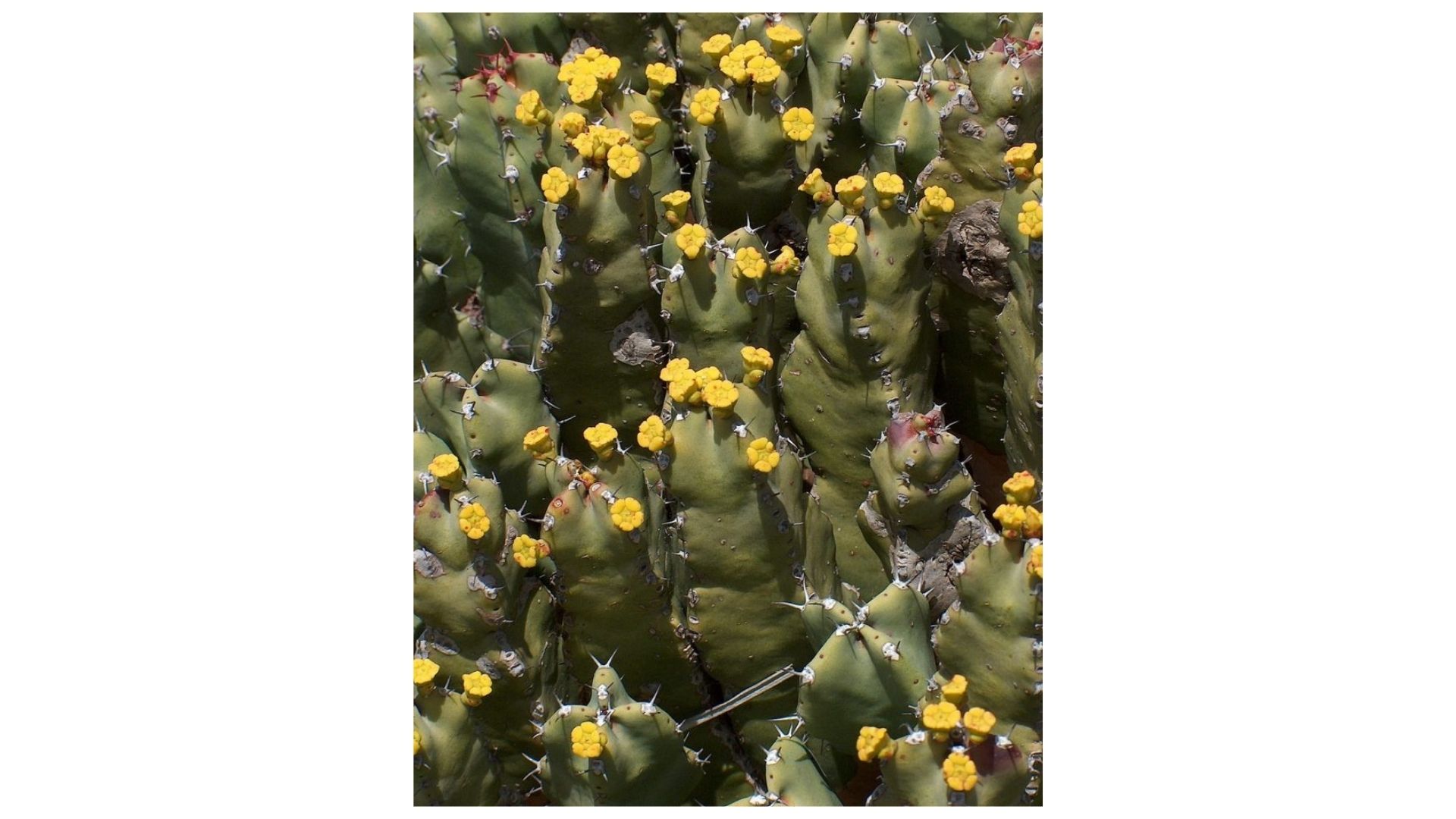

The resin extracted from this African succulent contains resiniferatoxin, a substance so extreme that it is being tested by medicine as a revolutionary alternative for the treatment of chronic pain.
The Euphorbia poissonii, a plant native to northern Nigeria, holds the title of the spiciest substance on the planet due to its active component, resiniferatoxin (RTX).
This toxin is so potent that the hottest pepper in the world seems mild in comparison to its sensory effects. The plant does not belong to the pepper family, but rather to the succulent genus, and its dangerousness requires extremely cautious handling in laboratory or natural environments.
The chemical potency of Euphorbia poissonii resin
The Scoville scale, used to measure the heat of peppers, demonstrates the abysmal disparity between Euphorbia poissonii and other known spicy agents. While the Carolina Reaper pepper reaches about 2.2 million heat units, pure resiniferatoxin registers the impressive mark of 16 billion units.
-
Indian Inventor, 58, Develops Steering Wheel-Free Agricultural Machine Operated by Levers, Offering Cost-Effective Alternative to Expensive Tractors

-
Scientific Breakthrough: Bacteria Found in a Rio de Janeiro Lagoon Guide Mars Research After Scientists Identify Similarities to Extreme Environments, Expanding Understanding of Extraterrestrial Life Possibilities

-
Brazilian Mechanic Wins Indian Presidential Award for Inventing Fuel-Efficient Agricultural Machine

-
Brazilian Polilaminin Reaches 100 Spinal Cord Injury Patients Through Compassionate Use, Shows Progress After 6 Months, Highlighting UFRJ’s Role in Experimental Regeneration Research



This means that the chemical compound of this plant is thousands of times stronger than the pure capsaicin found in conventional peppers.
Direct contact with the milky sap of Euphorbia poissonii can cause severe chemical burns and temporary or permanent blindness if it reaches the eyes. Even a minimal amount of the substance can cause severe tissue damage in humans and animals. Due to this extreme toxicity, the plant is often used in its native region as a natural pesticide and in live fences to deter wild animals.
Medicinal applications and the potential of resiniferatoxin
Despite the risks, science has been exploring the properties of Euphorbia poissonii for the development of new medical treatments. Resiniferatoxin works by binding to specific pain receptors in sensory neurons, causing an overload that eventually desensitizes them.
This unique mechanism offers a promising alternative for managing chronic pain in patients with terminal conditions or severe diseases.
Researchers are conducting studies to transform the venom of Euphorbia poissonii into a potent and long-lasting painkiller. Unlike opioids, RTX does not affect other sensory functions such as touch or motor coordination, focusing exclusively on pain signals. If clinical trials continue to progress, the substance could revolutionize the way medicine treats intense physical suffering without the side effects of traditional medications.
Safety and precautions in handling the plant
The cultivation or study of Euphorbia poissonii requires strict safety protocols, including the use of gloves, masks, and full eye protection. Experts warn that inhaling particles or accidental skin contact can provoke an immediate and painful inflammatory reaction. The plant serves as a reminder of the chemical power present in nature, capable of being both a lethal threat and a healing tool.
The preservation of Euphorbia poissonii in its natural habitat is important to ensure that future research can be conducted. Global interest in resiniferatoxin has increased the need to monitor the trade and access to this Nigerian species.
The balance between the inherent danger and the medicinal benefit makes this plant one of the most fascinating topics in contemporary botany and pharmacology.
With information from Oddity Central