Portuguese
  Spanish


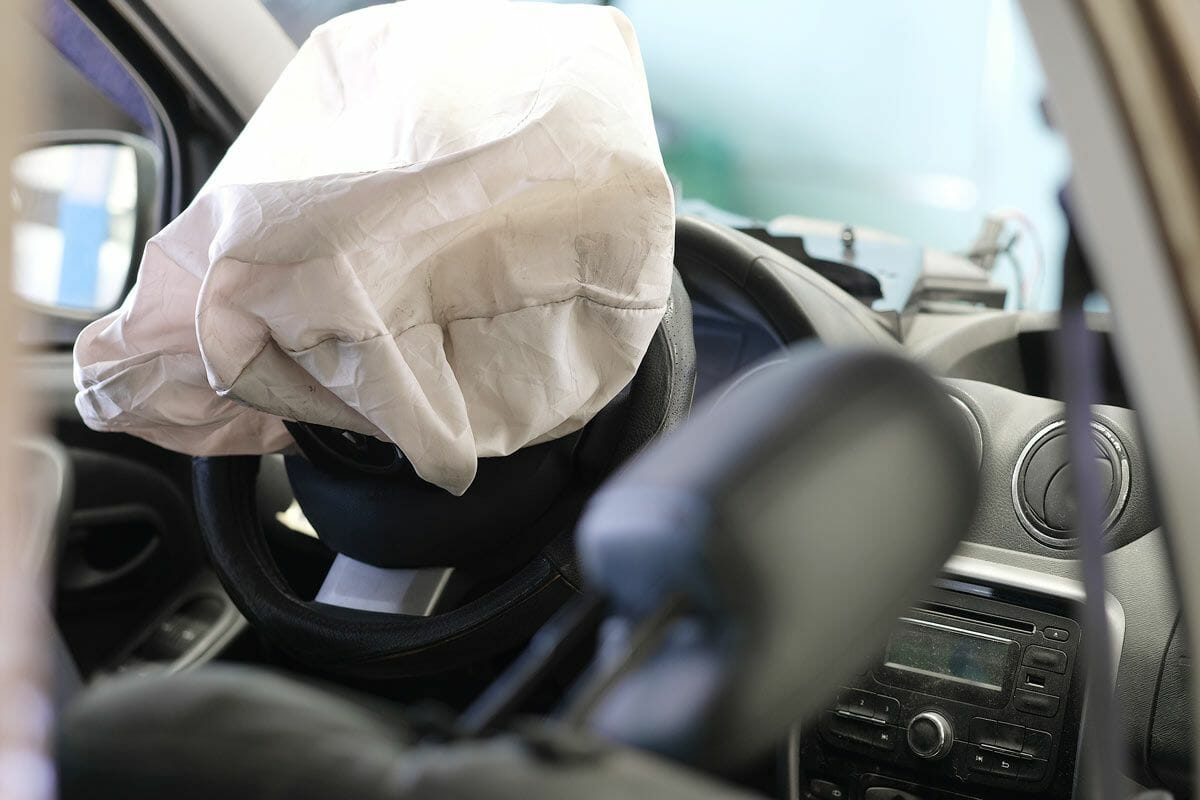

Recall of Millions of GM, Kia, and Hyundai Vehicles Equipped with Defective Airbags Is a Serious Issue That Requires Immediate Attention and Action. The Safety of Drivers and Passengers Must Be the Top Priority of the Automotive Industry
The U.S. National Highway Traffic Safety Administration (NHTSA) has taken decisive action by requiring the recall of approximately 67 million vehicles manufactured by giants Hyundai, Kia, GM, and others, due to concerns about allegedly defective airbags. This action seeks to ensure the safety of drivers and passengers after investigations pointed to a possible malfunction of the airbag inflators.
ARC Automotive, the company responsible for manufacturing these airbags, contested the allegations and refused to acknowledge the need for a recall. However, the NHTSA warned about the risk of overpressurization of the inflator, which could result in rupture and the release of metal fragments into the passenger compartment. Given this situation, it is essential to understand the severity of the issue and the measures taken to address it.
The Controversy over Airbag Safety
The controversy surrounding defective airbags began when the NHTSA conducted thorough investigations and concluded that welding debris could obstruct the inflators, leading to dangerous overpressurization. Excessive pressure could cause the inflator to rupture, resulting in metal fragments being forcefully launched inside the vehicle, posing a serious risk to occupants.
-
End of an era in Brazil: beloved sedan by Brazilians is discontinued despite having a 2.0 engine with 151 hp, CVT transmission, 466-liter trunk, and up to 650 km of range.

-
New Law Proposal in Brazil Could Heavily Penalize Drivers: Dangerous Overtaking May Become a Serious Offense with Fines Increased Tenfold and a 12-Month License Suspension; Update on 2026 Progress

-
Electric Revolution: Watts W125 Motorcycle Offers 160 km Range, 90 km/h Speed, and Affordable Price Starting at $3,000
-
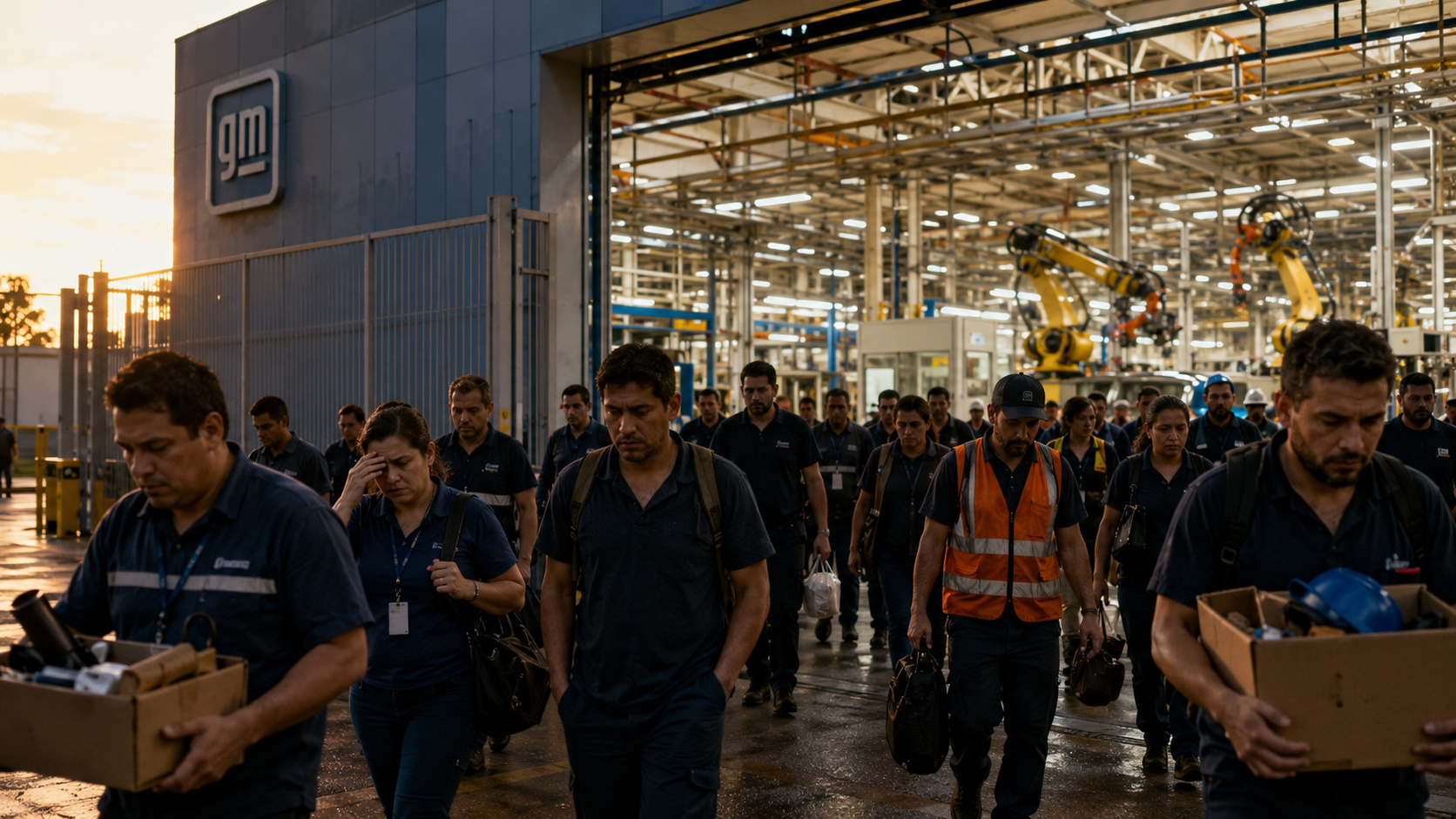
General Motors Replaces Over a Thousand Workers with 50 Cobots at Electric Vehicle Plant, UAW Union Criticizes Move Amid Industry’s Automation Push



Although the NHTSA presented solid evidence of airbag failures during accidents that occurred in the United States and Canada, ARC Automotive denied any potential risk to people and contested the findings. The company claims that the NHTSA’s investigation was based solely on a limited number of cases while refuting all allegations, arguing that there is no concrete evidence of a defect in its inflators.
General Motors (GM) Ensures Customer Safety and Will Recall Chevy Traverse, Buick Enclave, and GMC Acadia Models
General Motors (GM), aware of the importance of ensuring the safety of its customers, has already agreed to conduct the recall of Chevy Traverse, Buick Enclave, and GMC Acadia models, totaling nearly one million affected vehicles. GM’s decision came after an incident in March, where a driver was injured in the face due to inflator rupture. This action demonstrates the company’s commitment to addressing the situation and protecting its customers.
It Is Essential for Consumers to Be Aware of Recalls and Take Necessary Actions to Ensure Their Own Safety and That of Their Passengers.
While ARC Automotive refuses to acknowledge the need for a recall, it has expressed its willingness to collaborate with the NHTSA to evaluate and resolve the issue. The company is committed to establishing open and ongoing communication with the regulatory agency to ensure the safety of drivers and passengers.
In order to reassure owners of vehicles from Hyundai, Kia, GM, and other brands involved in the recall, it is crucial to follow updates and recommendations from the NHTSA. Moreover, it is important to remember that, in case of doubts or concerns, owners should contact authorized dealerships for assistance and additional information.
By taking all necessary steps to address the issue of defective airbags, the automotive industry reinforces its commitment to customer safety. The NHTSA, along with vehicle manufacturers, is working to ensure that defects are corrected and that owners of affected vehicles can drive with confidence and peace of mind.
Regarding automotive safety, it is essential for consumers to be aware of recalls and take necessary actions to ensure their own safety and that of their passengers. Keeping up with news and updates about recalls is a responsibility of all drivers, and vehicle manufacturers are committed to providing accurate information and effective solutions to address identified issues.