





 Portuguese
  English
  Spanish
  3 min of reading


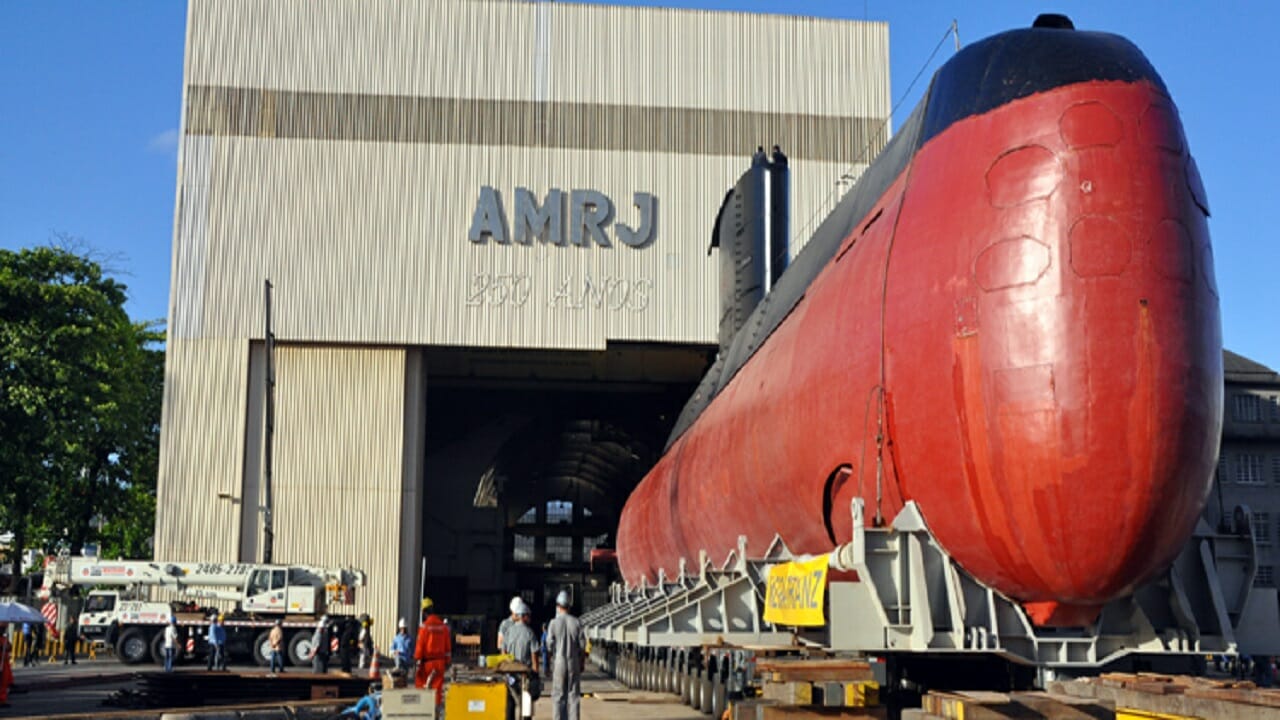
The Brazilian Navy Is Deactivating The Submarine ‘Tamoio’ (S-31), The Third Of The Tupi Class To Be Decommissioned. The Deactivation Aims To Renew The Fleet With New Models.
The Brazilian Navy is saying goodbye to its oldest submarines, from the Tupi class. After the Tapajós and Timbira, it’s now the turn of the submarine ‘Tamoio’ (S-31), the third to be decommissioned. The model will be deactivated, disarmed, and remain under the custody of the Submarine Force Command until its definitive destination.
‘Tamoio’ (S-31) Of The Brazilian Navy Can Transport Up To 33 Crew Members
It is highly likely that the Navy will start the process of selling the hull, which should begin with a bidding process. It is important to note that the submarine ‘Tamoio’ (S-31) was commissioned in 1994 by the Navy Arsenal of Rio de Janeiro, based on designs from Germany.
The model operates with 4 diesel engines and four electric generators. Thus, it had the capacity to dive to a depth of 250 meters and carry 33 crew members for up to 50 days submerged. On the surface, the submarine reached a maximum speed of 20.4 km/h. Underwater, the maximum speed is slightly higher, at 39.8 km/h.
-
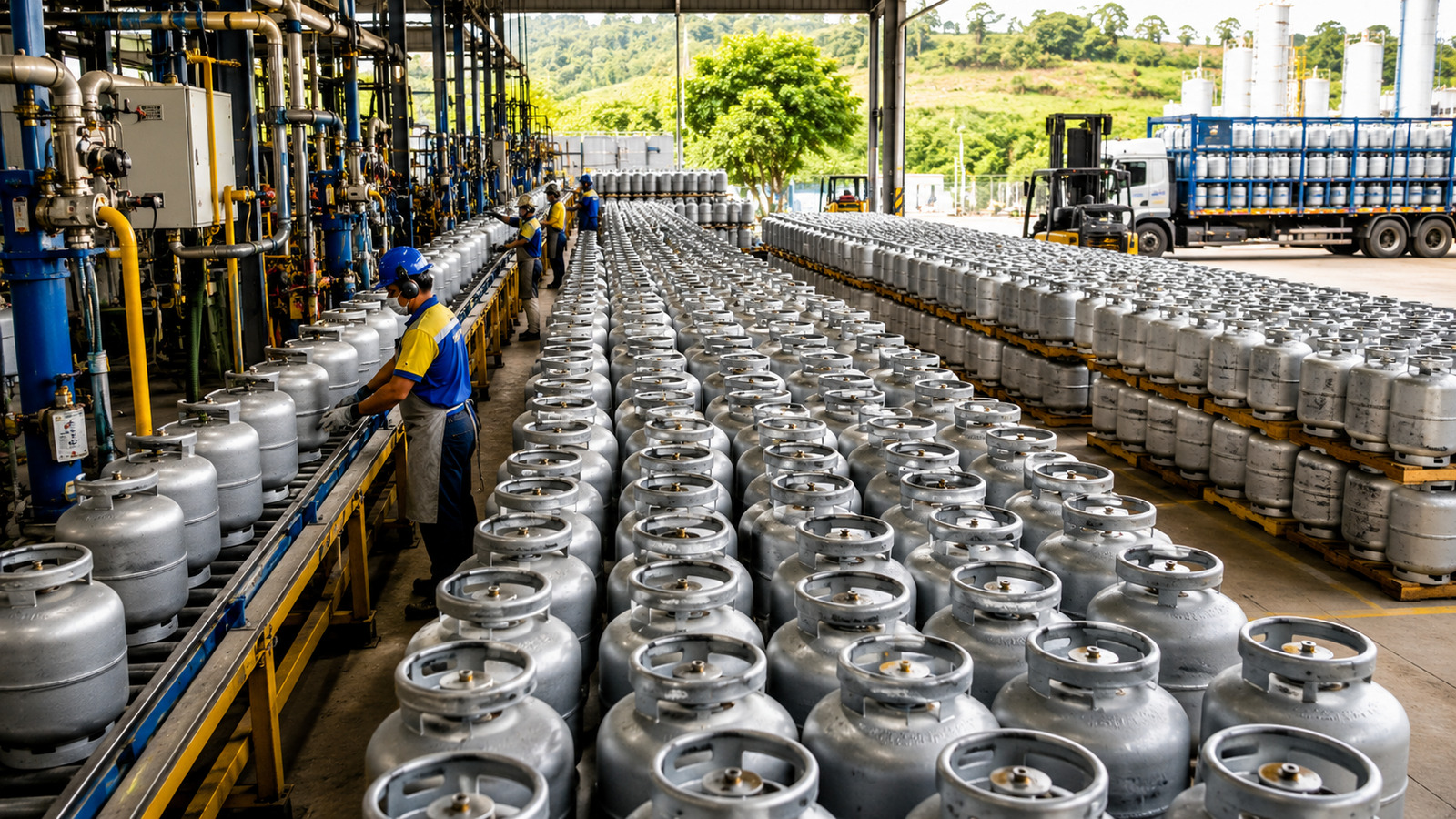
How does Brazil manage to deliver 13 gas cylinders per second?

-
While school construction still relies on months of traditional masonry, in Qatar two 50-meter 3D printers will build entire schools in concrete with machines the size of a construction site.

-
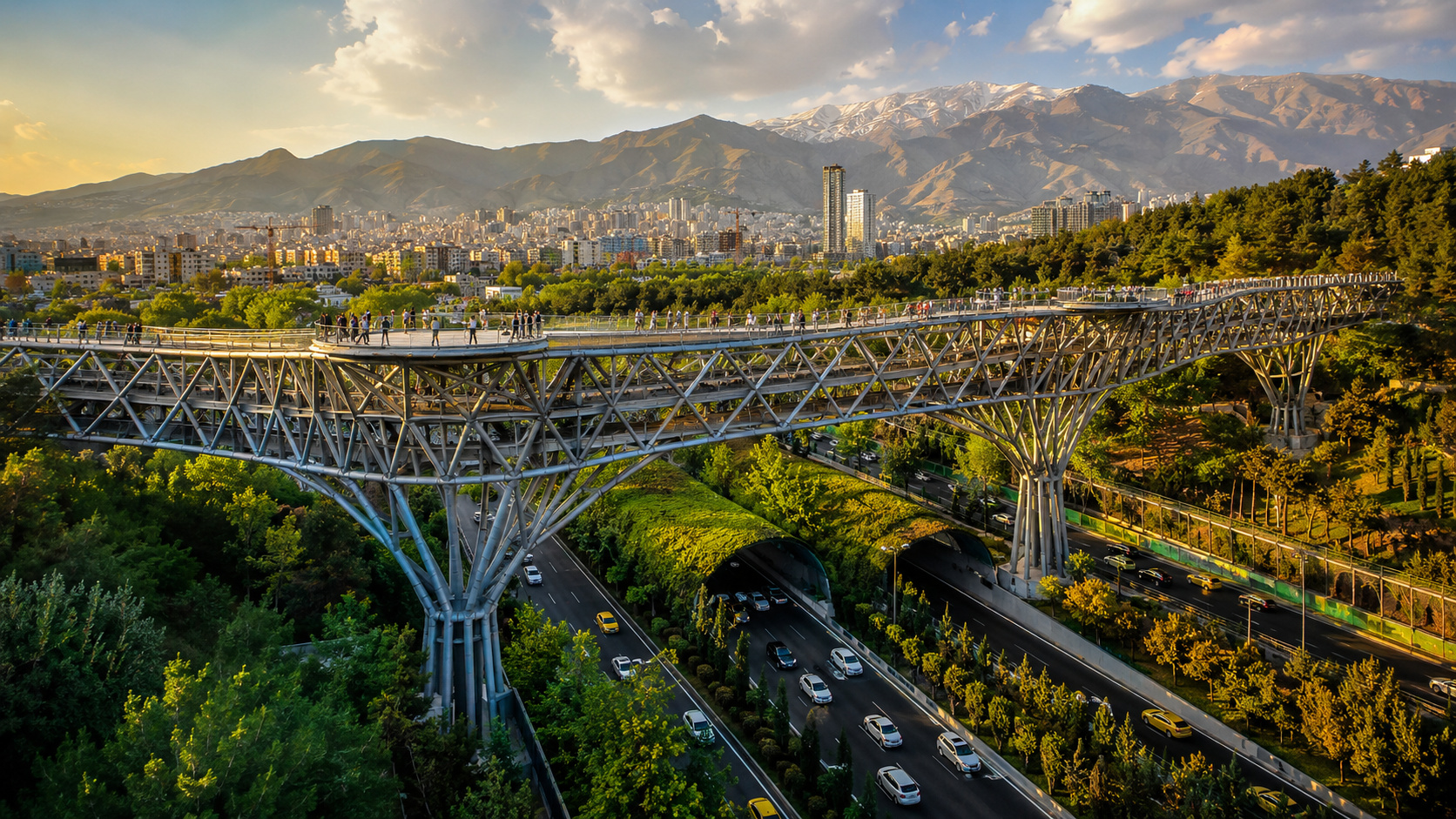
While many footbridges only serve to cross avenues, in Tehran a 270-meter bridge transforms into a suspended square with three levels, connects two parks, and even passes over a busy highway.
-
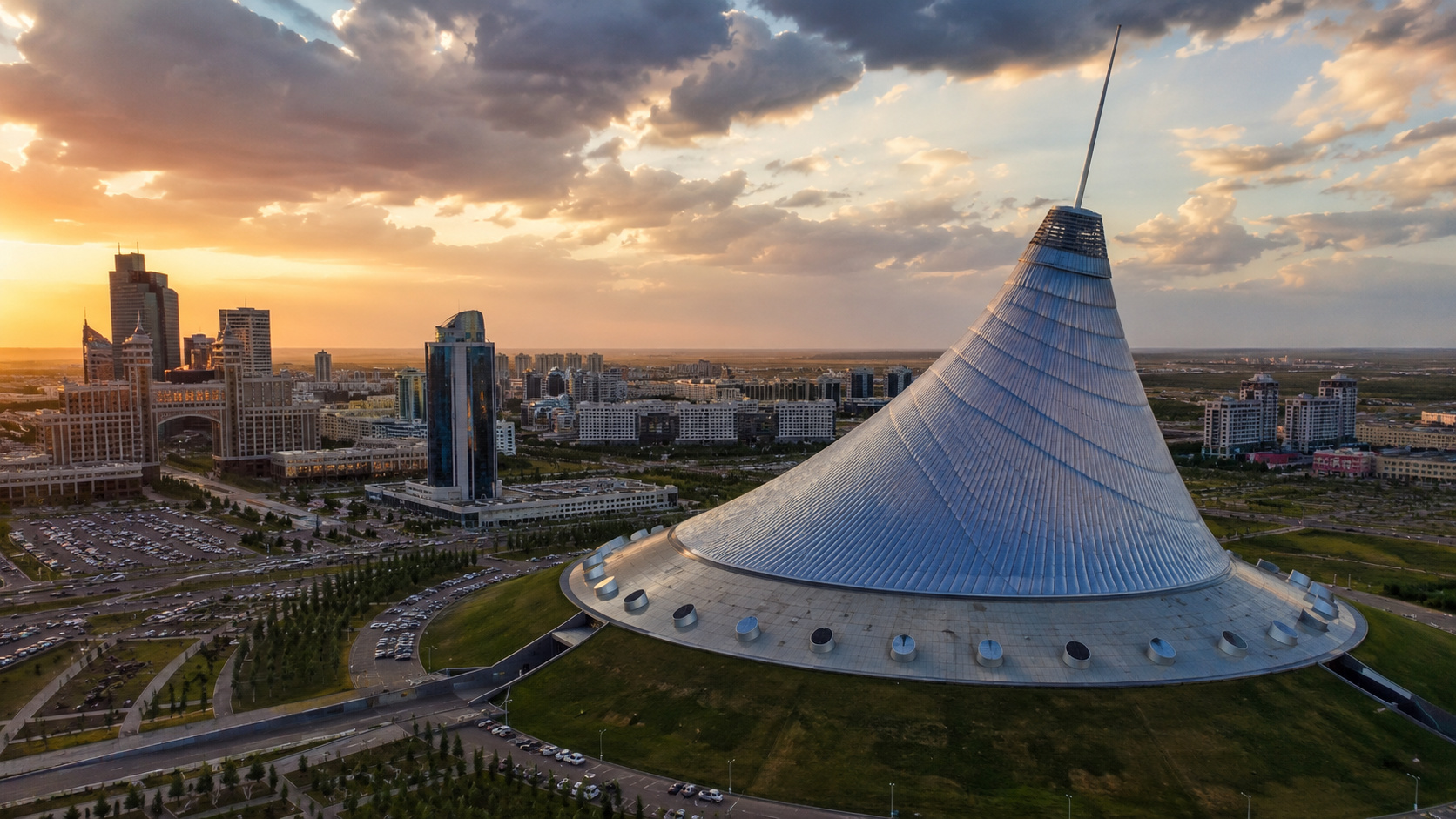
While many regular shopping malls resemble concrete boxes, in Kazakhstan a transparent tent of 150 meters houses an artificial beach, an urban park, and an entire shopping center under a tensioned canopy.

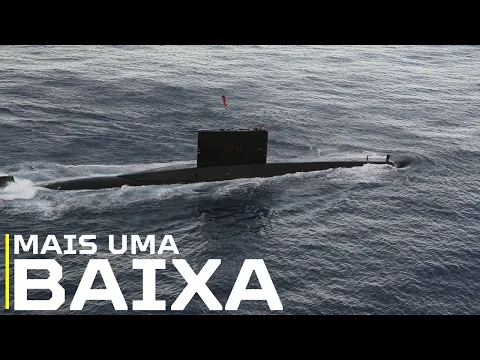

The submarine ‘Tamoio’ – S31 marked a national achievement in the 90s, the commissioning of the first submarine developed in Brazil, by the Navy Arsenal of Rio de Janeiro (AMRJ). The Tamoio of the Brazilian Navy will also always be remembered for the great feat of sinking the Spanish aircraft carrier Príncipe de Astúrias, during the Linked Seas Operation in 1997 with NATO, off the coast of Portugal, entering the protective bubble of training ships and aircraft.
The submarine ‘Tamoio’ S-31 was the third ship and second submarine to bear this name in the Brazilian Navy, in homage to the indigenous Tamoio people. The model had its keel laid on July 15, 1986, and was launched on November 18, 1996, at the Navy Arsenal of Rio de Janeiro (AMRJ), with Mrs. Tatiana de Faro Orlando, granddaughter of the first Commander of the first submarine Tamoyo, as its sponsor. The ceremony, at the time, was presided over by President Itamar Franco.
The Brazilian Navy Is Renewing Its Fleet With French Ships
The first commander of the submarine ‘Tamoio’ S-31 was Captain Flávio de Moraes Leme, and its current commander is Captain Marcio Claudio Bomfim Oliveira. Currently, the Navy is renewing its fleet with French ships of the Scorpene class, which are being developed at NUCLEP and the Naval Complex of Itaguaí, in Rio de Janeiro.
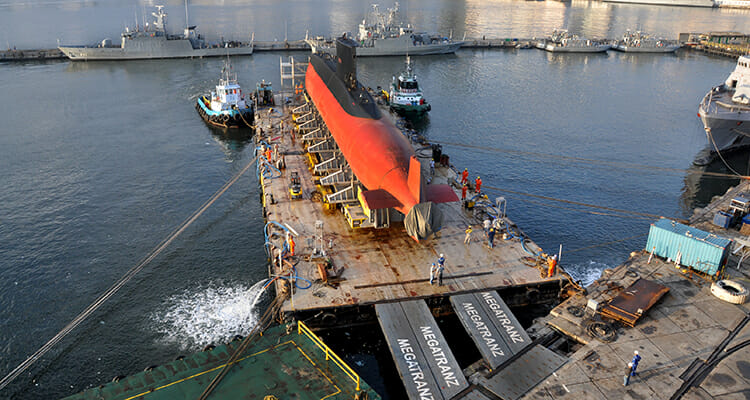
Two of the four submarines ordered, the Humaitá, which has already been commissioned, and the Riachuelo, which is finishing its diving test phase, are ready. The other two are still under development: the Tonelero and Angostura. Next will be the first Brazilian nuclear submarine, which will be named Almirante Álvaro Alberto.
What Is The Lifespan Of A Submarine?
The number and depth of a submarine’s dives over time also have a significant influence on its lifespan, especially regarding the fatigue of the resilient hull. Hull fatigue occurs due to the repetitive load cycle that the submarine experiences during dives and surfacings.
Submarines are designed to operate at various depths. Deeper dives subject the hull to greater pressures. The greater the depth, the greater the stress on the hull. This can lead to faster fatigue of the hull materials.
The number of dives a submarine makes over its lifespan plays an essential role. Each dive and surfacing puts stress on the hull, even if it is not as intense as a deep dive. Thus, submarines that make a large number of dives are subject to faster fatigue.






Be the first to react!