Portuguese
  Spanish


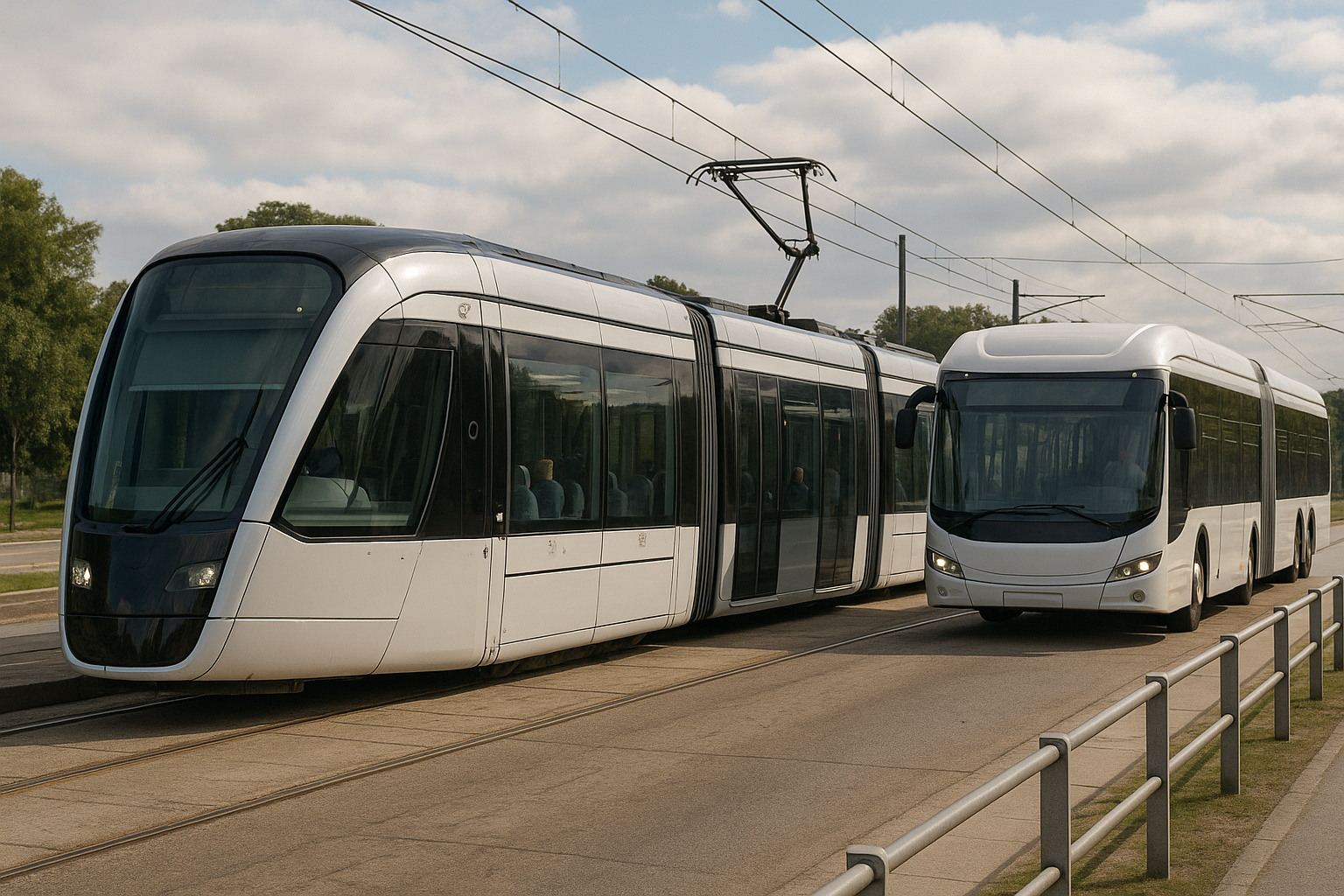

Rio de Janeiro City Hall Advances Project to Convert BRT Corridors into Lanes, Marking a New Phase in Urban Mobility in the City
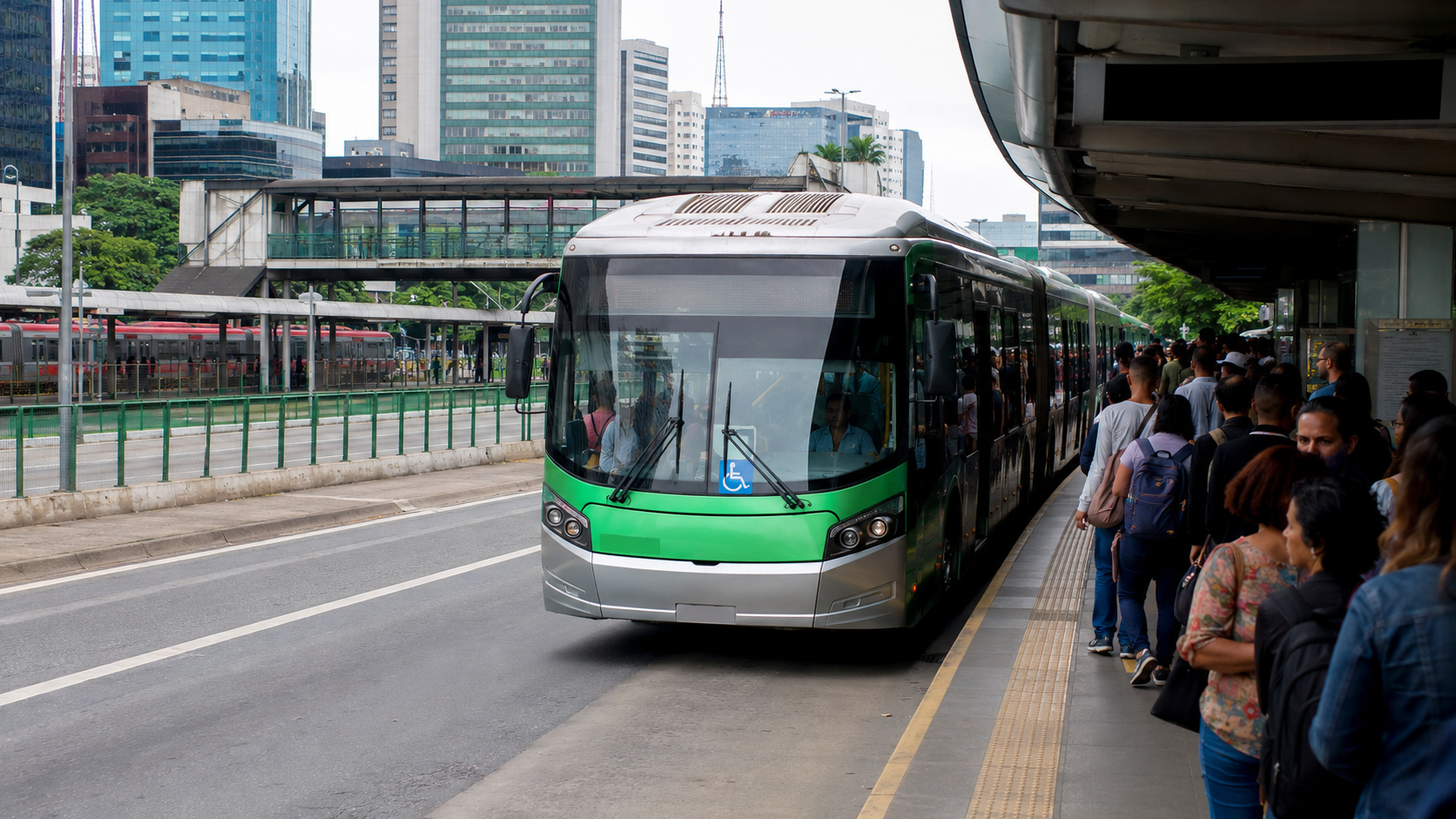
The city of Rio de Janeiro is about to say goodbye to the Bus Rapid Transit (BRT) system. For over a decade, it has been the main public transportation model in the capital.
On October 23, 2025, the City Council of Rio approved a bill that authorizes the conversion of the Transcarioca and Transoeste corridors into exclusive lanes for Light Rail Vehicles (LRV), Light Vehicles on Tires (LVT), or similar technologies.
As the project was submitted by the Municipal Executive Power, the approval by Mayor Eduardo Paes is considered virtually certain. The proposal represents a structural transformation in Rio’s public transport. It aims for greater efficiency and sustainability after years of operational challenges.
-
New Smart Radar Begins Issuing Fines to Solo Drivers in Carpool Lanes, Uses Cameras to Count Occupants, Changing Traffic Enforcement Rules on Busy European Roads

-
Why can the crane operator only obey the correct signalman on the construction site: among dozens of workers, a hand raised by the wrong person can confuse the maneuver and turn a load of tons into an immediate risk.
-
What changes with the new public transportation rules that can reduce pressure on fares and pave the way for zero fare in Brazil?
-
Argentina confirms Belgian giant to lead strategic Paraná River waterway and promises to reduce logistical costs on one of South America’s most important routes

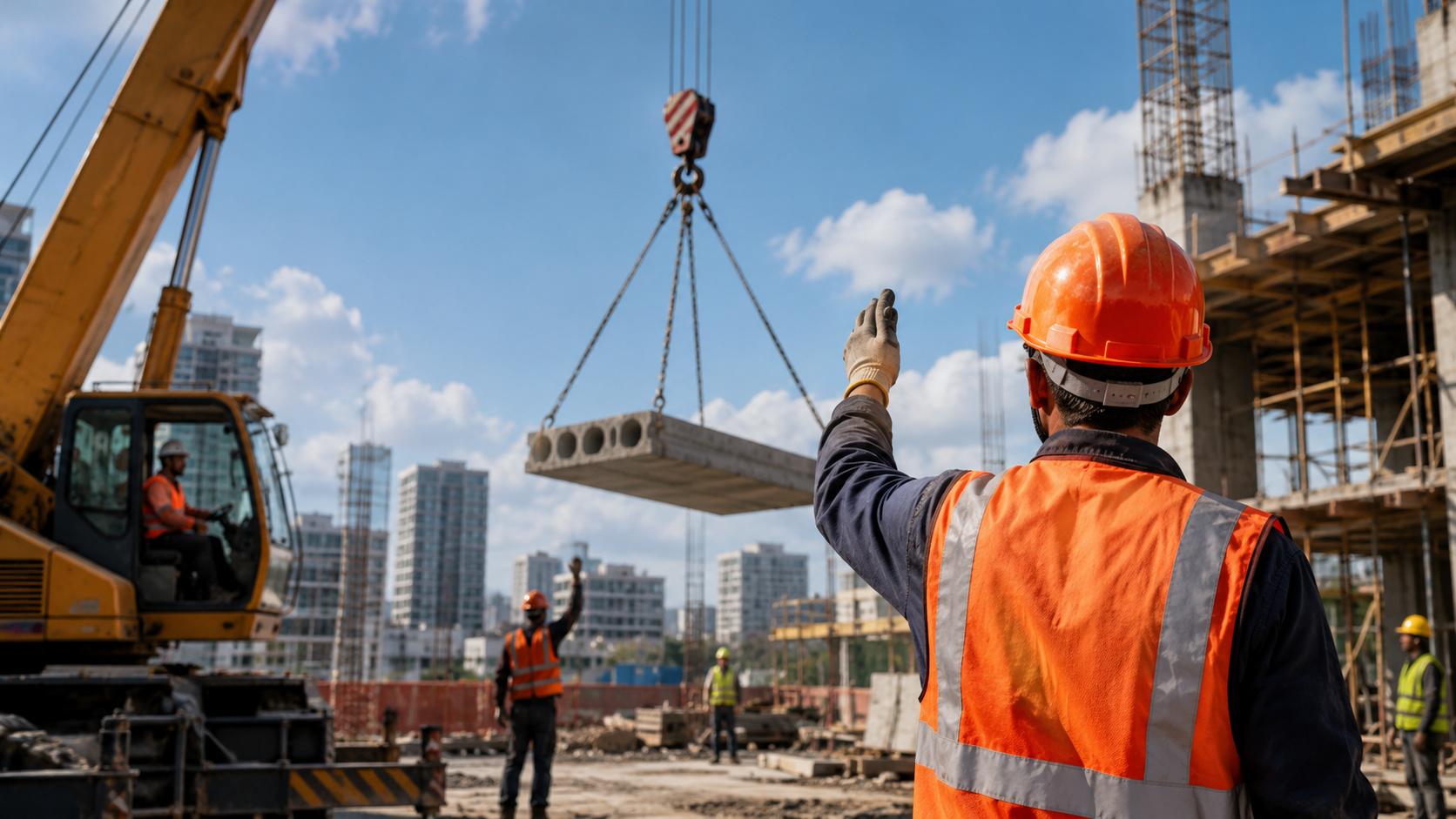
BRT Replacement: The Future of Public Transportation in Rio
According to the municipal secretary of Economic Development, Osmar Lima, the BRT still works well, but its operational model has a lifespan of about ten years.
Thus, according to the secretary, “we cannot stand still”, as the system needs to evolve to new technologies. Currently, the two options under study to replace the BRT are the Light Rail Vehicle (LRV) and the Light Vehicle on Tires (LVT).
Both alternatives share the use of clean energy, low noise, and greater transport capacity. They also align with the city’s environmental goals.
Meanwhile, the city hall believes that migration to integrated electric systems could reduce operational costs. Additionally, it aims to decrease pollutant emissions and improve mobility in key urban areas.
LRV: Established Technology and Planned Expansion
The LRV was inaugurated in 2016, during the Rio Olympic Games. Since then, it has operated in the central region, connecting the Santos Dumont Airport, the Rodoviária Novo Rio, and the Porto Maravilha.
The system is 100% electric and recharged by its own tracks, eliminating the need for overhead cables in most stretches. The city hall intends to expand the LRV to new neighborhoods.
Proposed locations include São Cristóvão, Botafogo, and Ilha do Governador, extending the modal’s reach. This expansion supports the municipal plan to transform Rio’s public transport into a cleaner, more efficient, and modern model.
The proposal is fully aligned with the global trends in sustainable urban mobility and the city’s climate goals.
LVT: Innovation on Tires and High Efficiency
The Light Vehicle on Tires (LVT) emerges as an intermediate alternative between conventional buses and urban trains.
Although it resembles a train, the LVT uses electric motors and runs on exclusive corridors, which improves flow and reduces delays.
The model is articulated, carries a large number of passengers, and offers comfort similar to that of the LRV.
To achieve optimal efficiency, the LVT should operate on straight corridors, without abrupt lane changes.
A successful example is in São José dos Campos (SP). The system started operations in 2024 and reduced the average urban travel time, according to data from the Municipal City Hall.
Urban Transformation and New Directions for Rio Mobility
Replacing the BRT with electric modes represents more than just a vehicle swap. It symbolizes the beginning of a new era of urban mobility in Rio de Janeiro.
In this phase, efficiency, sustainability, and modernization progress together. The BRT played a fundamental role since its inauguration in 2012, but technological advancement and new urban demands require renewal.
With the technical support of the Transport Department and collaboration from specialized companies, the city is preparing for a cleaner, faster, and more connected future.
In summary, Rio de Janeiro bids farewell to a system that marked an era and takes firm steps toward a new chapter. In this context, electric mobility emerges as the central pillar of urban transformation.