Portuguese
  Spanish


With New Investment of R$ 105 Million, Sudene Accelerates Wind Power Generation at Borborema II Park
The Superintendent of the Northeast Development (Sudene) announced this Monday (15), the release of R$ 105.3 million from the Northeast Development Fund (FDNE) for Borborema II Wind Farm S.A., located in the municipality of Pocinhos, Paraíba. This investment represents the second installment of a total financing of R$ 235.7 million, aimed at expanding wind power generation in the state.
The investment is part of a national strategy to strengthen the Brazilian energy matrix with renewable sources, especially in the Northeast, where the wind potential is high. The initiative reinforces the role of Sudene as a regional transformation agent, promoting sustainable development and technological innovation.
Sudene Investment Boosts Wind Power Generation in Paraíba
The Borborema II wind farm is part of the Serra da Borborema Wind Complex, consisting of four parks operated by EDP Renewables Brazil, a subsidiary of the Portuguese group EDPR. With eight wind turbines and an installed capacity of 47.2 MW, Borborema II stands out as the largest wind power generation project in Paraíba, according to the director of Funds, Incentives, and Investment Attraction at Sudene, Heitor Freire.
-
Brazil filled the Northeast with wind turbines but now faces the side effect of 705 giant blades reaching the end of their lifespan by 2032 just in Rio Grande do Norte, while the world projects 43 million tons of waste by 2050.

-
Brazil has filled the Northeast with wind turbines, but now it faces the side effect of 705 giant blades reaching the end of their useful life by 2032 just in Rio Grande do Norte, while the world projects 43 million tons of waste by 2050.
-
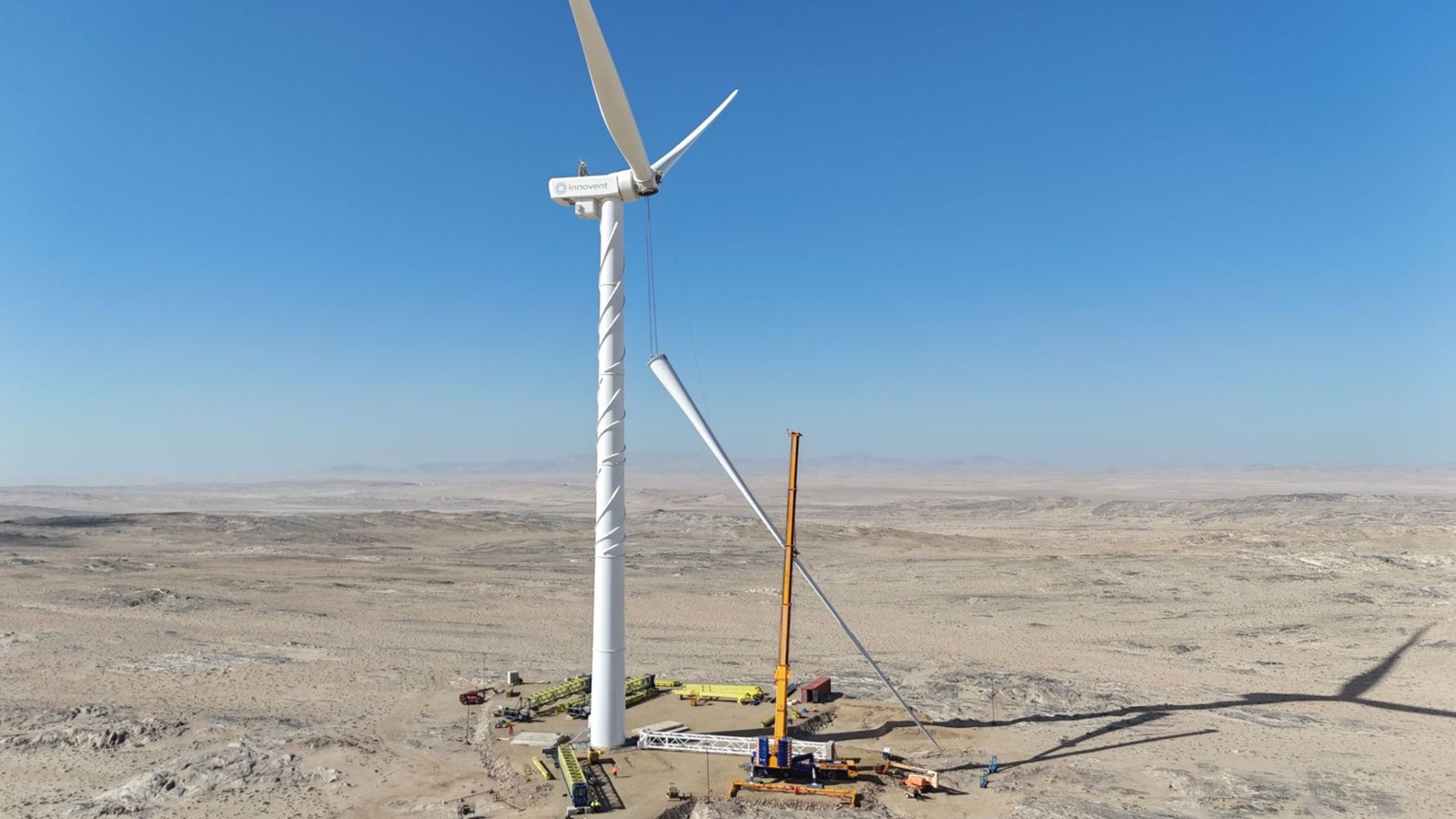
Wind farm in Namibia will have wind turbines assembled without giant cranes and is expected to avoid 200,000 tons of carbon dioxide per year when it becomes operational.

-
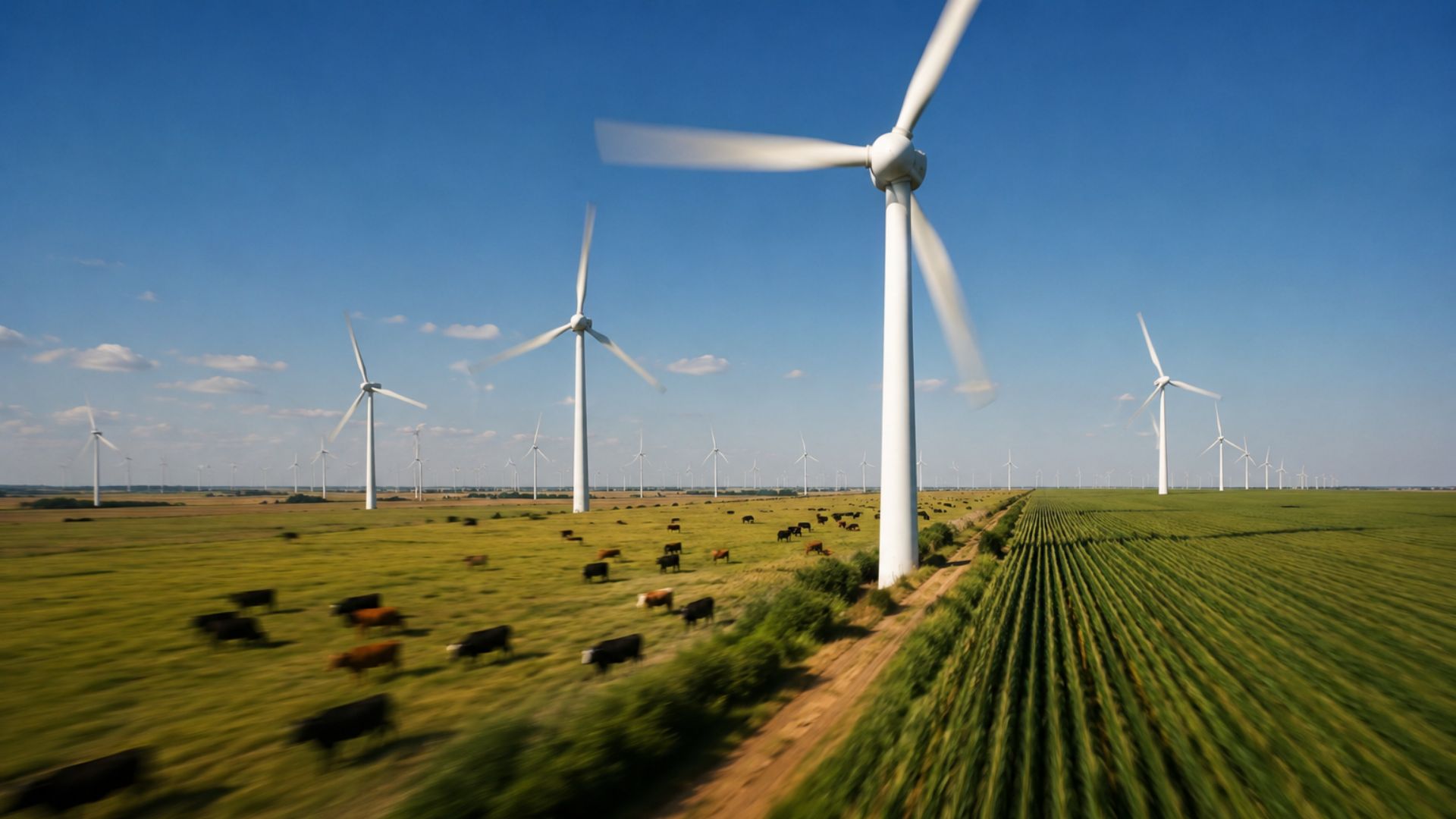
Taller than the Statue of Liberty, thousands of wind turbines are being planted in the middle of U.S. fields, creating two-story farms where corn and soybeans grow below while the wind turns into electricity above.


The total investment to make the project feasible is R$ 437.3 million, with Sudene financing covering 53% of this amount. The first installment, of R$ 62.6 million, was released in February 2025, with the Bank of Brazil acting as the operating financial agent. The release of the second installment marks a decisive advance in the project’s completion.
Technical Details of Borborema II Wind Farm
The Borborema II park is in the final phase of implementation and is expected to be inaugurated in the coming weeks. The eight installed wind turbines use cutting-edge technology, with high efficiency in converting kinetic energy into electrical energy. The operation will be integrated into the national distribution system, ensuring stability and reliability in supply.
Job creation is also a relevant point. It is estimated that Borborema II will create 56 direct and indirect job openings. Considering the entire Serra da Borborema Complex, the number rises to 337 positions, promoting socioeconomic development in the region. In addition, the complex’s infrastructure includes 30 km of transmission lines, connecting the parks to the national electricity grid.
Sudene and the Strategic Role of FDNE in Regional Development
Sudene has played a fundamental role in promoting structural investments in the Northeast. The FDNE is one of the main financing instruments of the agency, enabling the leverage of projects aligned with the Regional Development Plan for the Northeast (PRDNE), the New Brazil Industry (NIB), and the Ecological Transition Plan (PTE).
The fund can finance up to 80% of the value of a project, with payment terms of up to 20 years. In addition to wind and solar parks, the FDNE has enabled initiatives such as the Transnordestina Railroad, the Stellantis factory in Goiana (PE), and the modernization of basic sanitation in the Metropolitan Region of Recife.
Sudene’s actions, through the FDNE, have been decisive in transforming the Northeast’s energy potential into economic and environmental reality. The investment in Borborema II is a clear example of this funding policy.
Wind Energy Generation and Environmental Sustainability
Expanding wind energy generation in the Northeast is a strategic priority for Brazil. The Serra da Borborema Complex, which includes Borborema II, has an installed capacity of 123 MW, enough to supply a city of about 300,000 inhabitants daily.
In addition to contributing to energy security, the project reinforces the commitment to ecological transition and the reduction of carbon emissions. Wind energy is one of the cleanest and most sustainable sources available, and its expansion in Paraíba represents a significant advance in the national energy matrix.
The generation of wind energy also reduces dependence on fossil sources like coal and oil and contributes to meeting the goals of the Paris Agreement. Brazil, by investing in projects like Borborema II, strengthens its position as a global leader in clean energy.
Paraíba as a Wind Energy Generation Hub
Paraíba has stood out as one of the states with the greatest potential for wind energy generation. Studies indicate that the region has consistent, high-speed winds, ideal for installing wind turbines. Support from Sudene and private investment have been decisive in turning this potential into reality.
With the inauguration of Borborema II, the state reinforces its strategic position on the Brazilian energy map, attracting new investments and promoting regional development. Wind energy generation in Paraíba not only strengthens the local economy but also contributes to the diversification of the national energy matrix.
Moreover, the Borborema II project serves as a model for future initiatives in the sector, demonstrating the technical and economic viability of renewable energy in the Northeast.
Updated Data on the Wind Sector in Brazil
According to the Brazilian Wind Energy Association (ABEEólica), Brazil has over 33.7 GW of installed wind energy capacity, spread across more than 1,103 parks. The Northeast accounts for about 85% of this production, with highlights for the states of Bahia, Rio Grande do Norte, Ceará, and Paraíba.
The expectation is that the sector will continue to grow in the coming years, driven by public policies, financial incentives, and technological advances. The Borborema II project is part of this context as an example of efficiency, planning, and positive impact.
ABEEólica also points out that wind energy already represents about 12% of the Brazilian electrical matrix, with a trend of continuous growth. The expansion of parks like Borborema II is essential to achieve sustainability and energy security goals.


Sudene Investment Strengthens Brazil’s Energy Future
The release of R$ 105 million by Sudene for the Borborema II wind farm represents more than just an investment. It is a milestone in the trajectory of strengthening wind power generation in Paraíba and Brazil. The project combines innovation, sustainability, and social impact, contributing to a cleaner and more efficient energy matrix.
By integrating the largest project in the sector in the state, Borborema II becomes a symbol of progress and commitment to the future. Sudene’s actions, through the FDNE, demonstrate how well-structured public policies can transform realities and drive regional development.
For those following the energy sector, this is a clear example of how the Brazilian Northeast is establishing itself as a leader in the global energy transition. Wind energy generation, especially in states like Paraíba, is a safe bet to ensure a sustainable, competitive, and innovative future.