Portuguese
  Spanish


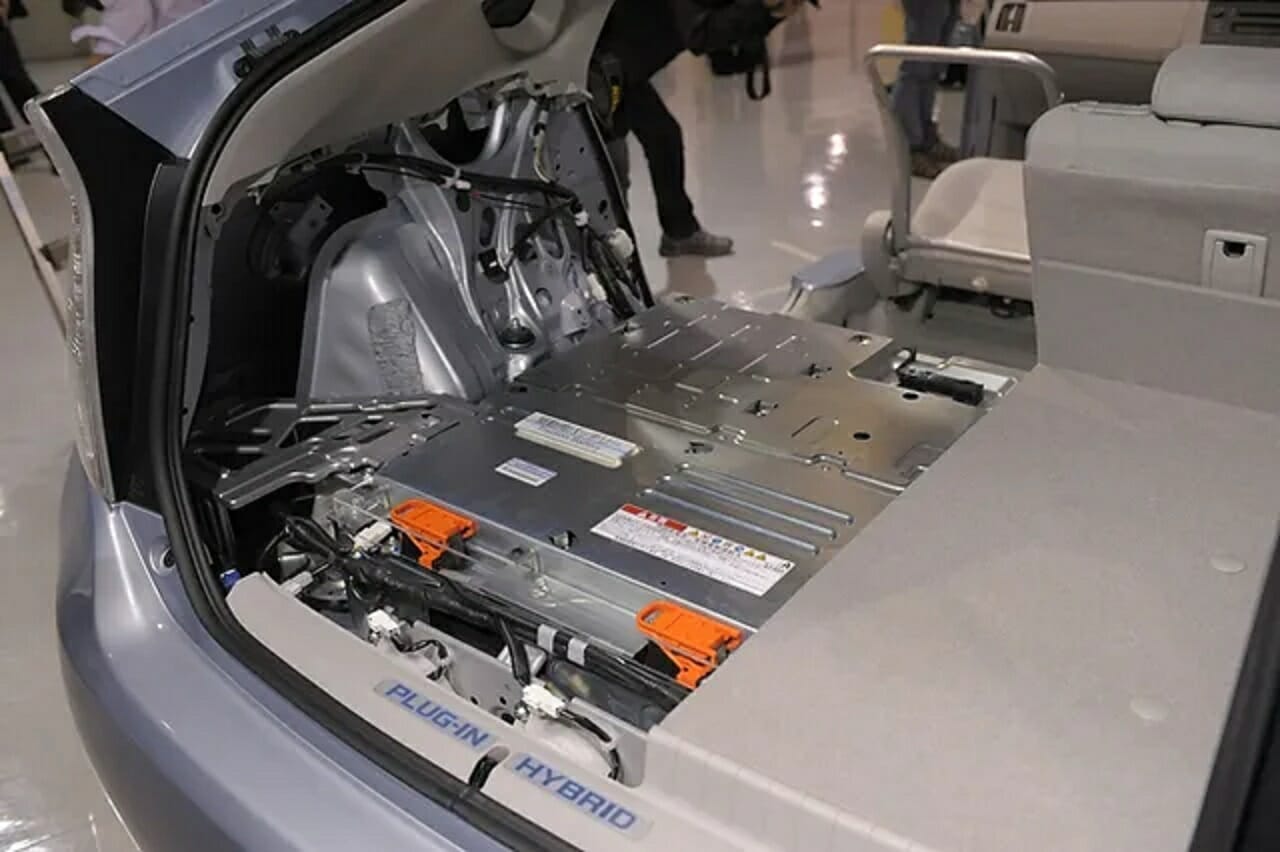


Toyota Is Revolutionizing The Automotive Market With The Development Of A New Battery That Promises More Than 1200 Km Of Range For Electric Cars At A More Affordable Price.
As far as the new battery technology that Toyota is developing goes, we will soon have an electric car with more than 1,000 km of range and charging in under 10 minutes. The new technology is expected to hit the market in the coming years. The automaker announced last week a technological advancement of utmost importance for the progress of its awaited solid-state battery.
Toyota Claims It Will Have Electric Cars With Greater Range And Ultra-Fast Charging Batteries
Toyota promises to raise the bar with the arrival of its future electric cars, with the promise that the new electric vehicles will achieve a range of 1,200 km on a single charge, not counting the full recharge in 10 minutes.
The news was published by The Guardian, quoting the president of the company’s carbon neutrality research and development center, Keiji Kaita. In general terms, the multinational Toyota claims it has simplified the production of the material used to produce solid-state and liquid-based batteries, which will make it possible to halve the weight as well as the size and cost of the packs that will be installed in electric cars.
-
Fiat Strada Becomes Top Seller in June, Surpassing Onix, Polo, Hilux, and T-Cross with 107 HP Engine and 732 km Range.

-
Suitcase-sized hydrogen engine spins at 25,000 rpm, nearly doubling the efficiency of conventional cars and replacing exhaust smoke with water vapor

-
1983 Chevrolet Runs Over 100,000 km Without Gasoline, Powered by Wood Chips, Reaches 125 km/h in Airport Test

-
Workshop Converts Giant Tractor Tire Tricycle into a Three-Wheel Drive Hybrid with 36,000-Watt Electric Motor Capable of Climbing Hills


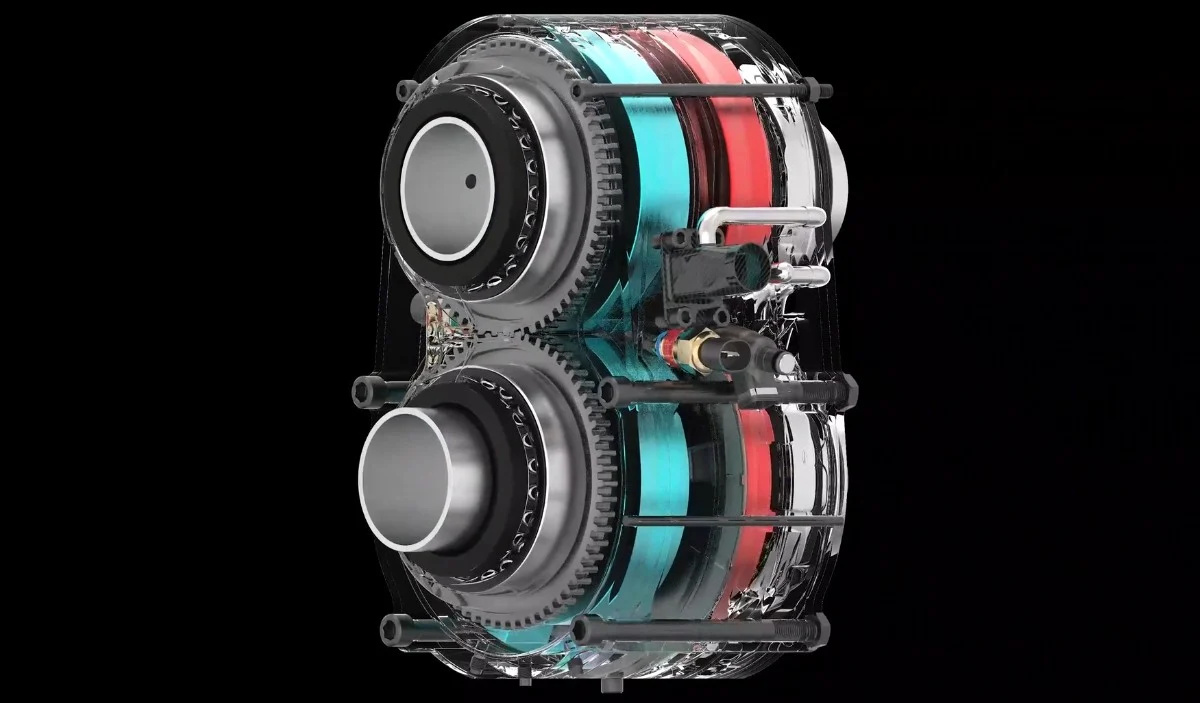


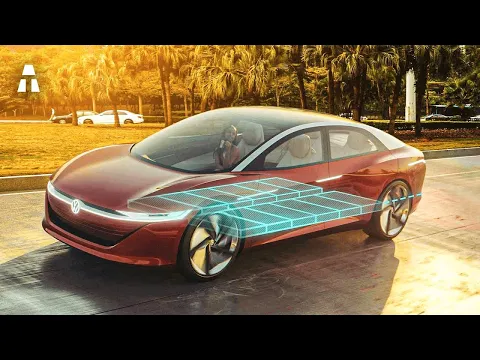

Kaita asserts that, for both its liquid batteries and its solid-state batteries, the automaker’s focus is to dramatically change the current situation, where batteries are too large, expensive, and heavy.
In terms of potential, the company will seek to halve all these factors. As it is already known, solid-state batteries are viewed as the next logical step in the advancement of electric cars, as they are considered safer and more reliable than lithium-ion cells that use a liquid-based electrolyte, however, at the same time, they are much more expensive and difficult to produce.
Solid-State Batteries May Become More Popular
The news of the week is that Toyota stated it could make the production of solid-state batteries for electric cars simpler, making the component cheaper to produce and more conventional than lithium-ion ones.
Kaita emphasizes that there are often advancements in the prototype phase, however, bringing this production to a larger scale is challenging. If it is a genuine advancement, it could be a game changer, like the holy grail of battery vehicles.
Criticized for the delay in boosting the launches and sales of electric cars, Toyota presented interesting news in this regard during the Workshop “Let’s Change The Future Of Cars.”
The automaker claims that, starting in 2026, it will be possible to see a new generation of electric cars, which will significantly improve the performance and range of current models, especially the bZ4X, the brand’s first battery-electric SUV, which will use a variety of battery options.
Toyota Promises High-Performance Batteries With 10% Greater Range
Initially, the Japanese company expects that, compared to the bZ4X, it can increase the range by an average of 20%, reduce manufacturing costs by 40%, and allow fast charging to go from 10% to 80% in half an hour. Later, between 2027 and 2028, high-performance batteries will reach the electric market with a 10% greater range and production costs reduced by 10%.
Essentially, these batteries could cover about 1,100 to 1,200 km of range, like the solid-state battery mentioned above. However, that is not all, Toyota estimates it will have the capability to produce an advanced solid-state battery capable of offering more than 900 miles of range after 2028, due to lighter electric cars, which are less complicated and have fewer components.