Portuguese
  Spanish


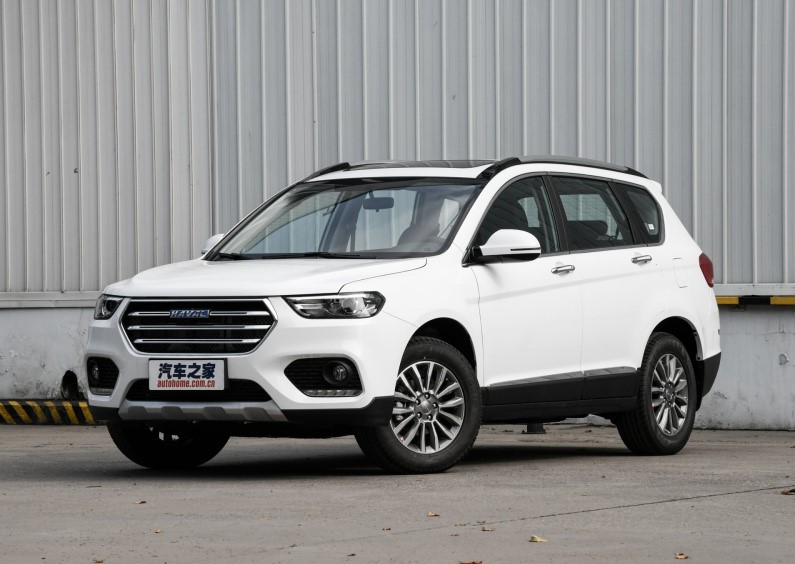

GWM Hybrid SUV Experiences System Failure in Autopilot Mode, Covering Over 500 Km and Ignoring Driver Commands.
Currently, China has the largest market in the world when it comes to electric cars. In addition to the latest news from the EV world, the country often makes headlines with bizarre cases. Recently, there was a report involving the 2018 Haval H6 Hybrid SUV. After an autopilot error, the driver of the GWM vehicle was forced to drive for about 500 km without being able to stop the car.
Correction: GWM informed CPG that the vehicle in question is a 2018 H6 of the first generation, completely different from the one that will be sold in Brazil, which is a third-generation H6, produced on a different platform, the newly launched LMN.
Preliminary investigations indicate that the brake system of the first-generation H6 operates mechanically, which overrides any electronic feature, allowing braking whenever the brake pedal is pressed by the driver.
-
Brazilian Factory Restores Truck Engines and Parts, Reducing Raw Material Use by Up to 85% After 80 Years in Business

-
British Marines Set Record by Changing Ford Escort Engine in 42 Seconds, Unbroken for 40 Years

-
BYD Owners in Brazil Raise Concerns Over Warranty After 87,000 km, Two Repairs in Three Days, and Over $500 in Costs

-
Classic Volkswagen Beetles of Brazilian Presidents to Swap Museums in Historic Partnership


Autopilot Drains Gas Tank and No One Gets Hurt


The driver, identified as Lou, claimed that the brakes of the hybrid SUV also stopped working; however, this information has already been denied by the Chinese media. In summary, the utility vehicle ran at over 100 km/h without stopping. The case was reported by AutoHome. At the time of the incident, the driver was covering a route of approximately 200 km. Midway through the route, Lou noticed that he was unable to reduce the speed of the GWM vehicle.
The driver claims he had to contain his panic to seek help from the authorities. The police reached out to Haval specialists, who were unable to resolve the problem remotely. The measure was to deploy vehicles to escort the SUV, preventing future accidents with other cars. By the end of the day, Lou had driven 300 km beyond the planned 200 and only stopped due to running out of fuel, that is, when the gas tank was empty.
GWM Model Aims to Undermine Toyota and Jeep
The Great Wall Motors has officially brought its plug-in hybrid SUV Haval H6 PHEV to Brazil. And the automaker’s plan, unknown to Brazilians, is bold, as it wants to compete with giants like Jeep, Volkswagen, and Toyota.
No fighting with Chinese companies like BYD and Caoa Chery. Volkswagen does not have hybrid SUVs, so GWM’s focus is on taking customers away from the Taos. Meanwhile, Jeep and Toyota do have electrified models, such as the Corolla Cross, RAV4, and Compass 4xe. At least the Haval H6 brings good features, such as good range solely on electric power, low fuel consumption, and family-sized interior space.
Tesla Is Responsible for 70% of Autopilot Accidents
New controversies involving Tesla’s Autopilot have resurfaced in the U.S. According to a report from the National Highway Traffic Safety Administration, the main regulatory traffic authority in the country, the brand’s models accounted for 70% of traffic accidents involving autopilot in the U.S.
The research involved cars with Level 2 autonomous driving and analyzed 394 accidents from June of last year to May 2022. Of the total number of accidents, 270 involved Tesla models with autopilot activated.
According to one of the directors of NHTSA, Dr. Steven Cliff, new vehicle technologies can help prevent collisions, save lives, and reduce the severity of accidents, and the department is interested in generating technologies that demonstrably do so.