






 Portuguese
  Spanish


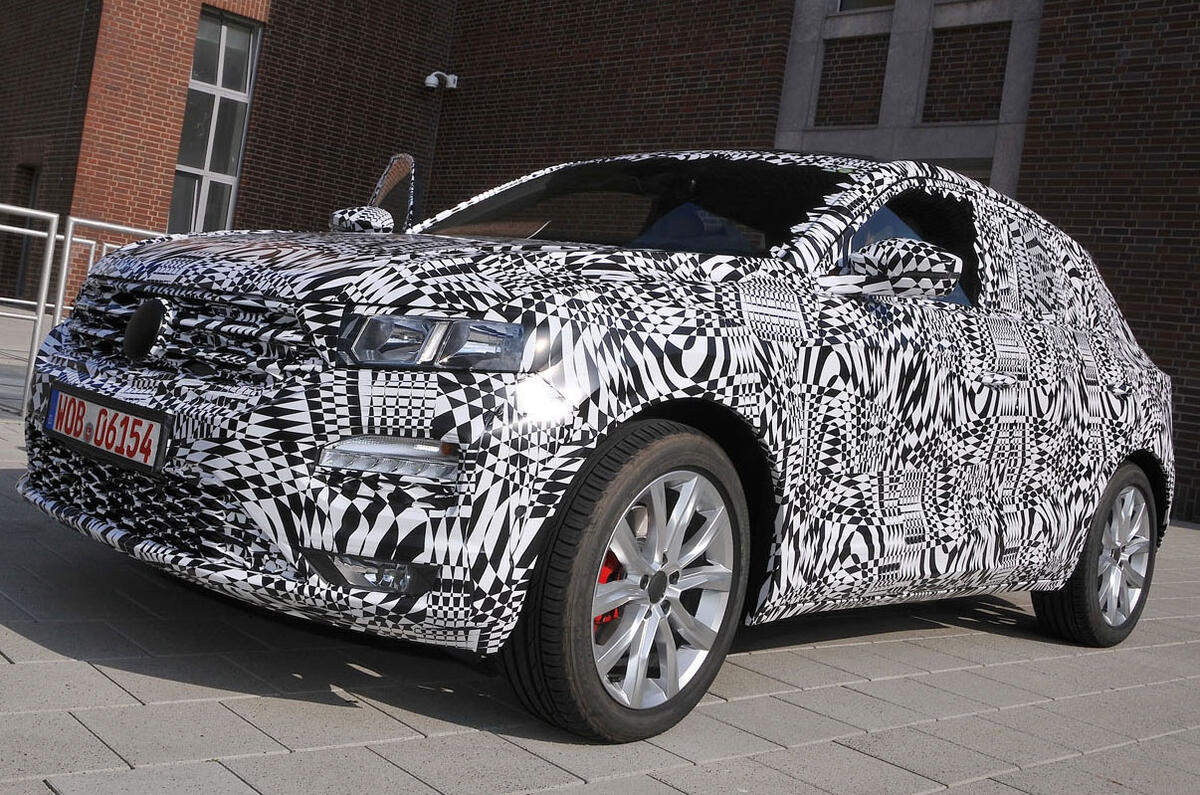
New Generation Marks Technological Advancement in Brazil and Brings Unprecedented Hybrid Engine to the Regional Market
Volkswagen confirmed, in August 2025, that the next generation of the T-Roc will be produced in South America with a unprecedented hybrid engine.
The statement from global CEO Thomas Schäfer, made to the British site Autocar, raised the possibility that the T-Roc and Nivus may be unified.
This move shows that the brand is rapidly adapting to the demand for electrified vehicles in the region.
-
Chinese SUV Achieves 24.4 km/l, Outperforms Toyota Yaris Cross in Real-World Tests with 224 hp Hybrid System, Offers 51-Liter Tank for Greater Range, and Costs Up to R$ 5,000 Less.

-
Uber Black Revamps Fleet, Drops Ten Car Models and Sets Deadline for Electric BYD Dolphin

-
Chinese Giant Uses Metal Structures and Cranes to Deliver Over 700 Electric Cars to Brazil

-
Uber Faces Shareholder Scrutiny as Board Accused of Ignoring Safety, Compliance, and Harassment Warnings Amid Over 3,500 U.S. Lawsuits


Indications of Unification Between T-Roc and Nivus
According to Schäfer, Latin America needs a HEV (Full Hybrid Electric). The executive stated that the local factory will produce the T-Roc.
This information contrasts with the current scenario, as the model is not manufactured in the region. The statement reinforces the hypothesis of integration between Nivus and T-Roc.
Meanwhile, the Nivus has been in production in São Bernardo do Campo (SP) since 2020. It is already approaching the end of its first cycle.
The model received a facelift in 2023. Projections revealed by Mobiauto indicate that the new generation will bring the MQB 37 platform, derived from the European Golf 7.
This platform will replace the MQB A0 27. Images of testing in Brazil, released in July 2025, confirm larger tracks and structural changes to the fenders.
These changes point to significant technical advancements.
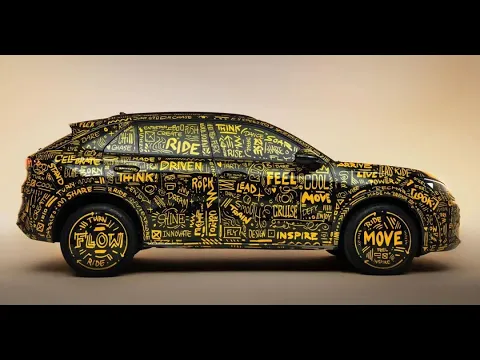

New Hybrid Engine for South America
The CEO emphasized that the decision to develop hybrids arose in response to the decline in sales of fully electric vehicles.
Schäfer explained that the first model with this engine will be the T-Roc in Europe, still in 2025.
The technology could extend to other vehicles, such as Golf and Tiguan.
According to Volkswagen, the system will feature parallel hybrid versions, plug-in hybrids, and 100% electric models. However, the company will not apply this measure to all MQB models.
This strategy reflects the increasing relevance of HEVs in the North American and Latin American markets.
Inhabitants of these regions increasingly value the balance between energy efficiency and cost.
Possibility of Mild Hybrid in Brazil
Although Schäfer confirmed the full hybrid, there is a possibility that Volkswagen will adopt an advanced mild hybrid in Brazil.
This system is similar to the Audi MHEV Plus, introduced in the A5 in early 2025.
In Volkswagen, the system is expected to be named eTSI Plus.
This setup will include:
- PTG Electric Motor with 24 hp and 23.5 kgfm, acting on traction and regeneration.
- Lithium Iron Phosphate (LFP) Batteries with 1.7 kWh capacity.
- Superalternator BAS, replacing the alternator and starter motor.
- iBRS System, which optimizes regeneration during braking, achieving 25 kW of recovery.
With this configuration, the vehicle will be able to drive a few meters in electric mode only. This ensures greater efficiency without compromising the final cost of the SUV.
Expectations for the South American Market
The prototype, already in testing in Brazil, demonstrates that Volkswagen, besides planning innovations, is also preparing structural changes in its regional line.
Although the launch of the new hybrid T-Roc is scheduled for 2026, it comes at a time when the Nivus is finishing its current phase.
Therefore, it is expected that the new unified SUV will not only strengthen the brand’s presence, but also enhance its competitiveness in South America.
In this way, the automaker will have more breathing room to face rivals such as the Toyota Corolla Cross and the Honda HR-V hybrid with greater efficiency.
Thus, Volkswagen solidifies its electrification strategy, betting on models with more technology, accessible costs and better energy performance for the region.





Be the first to react!