Portuguese
  Spanish


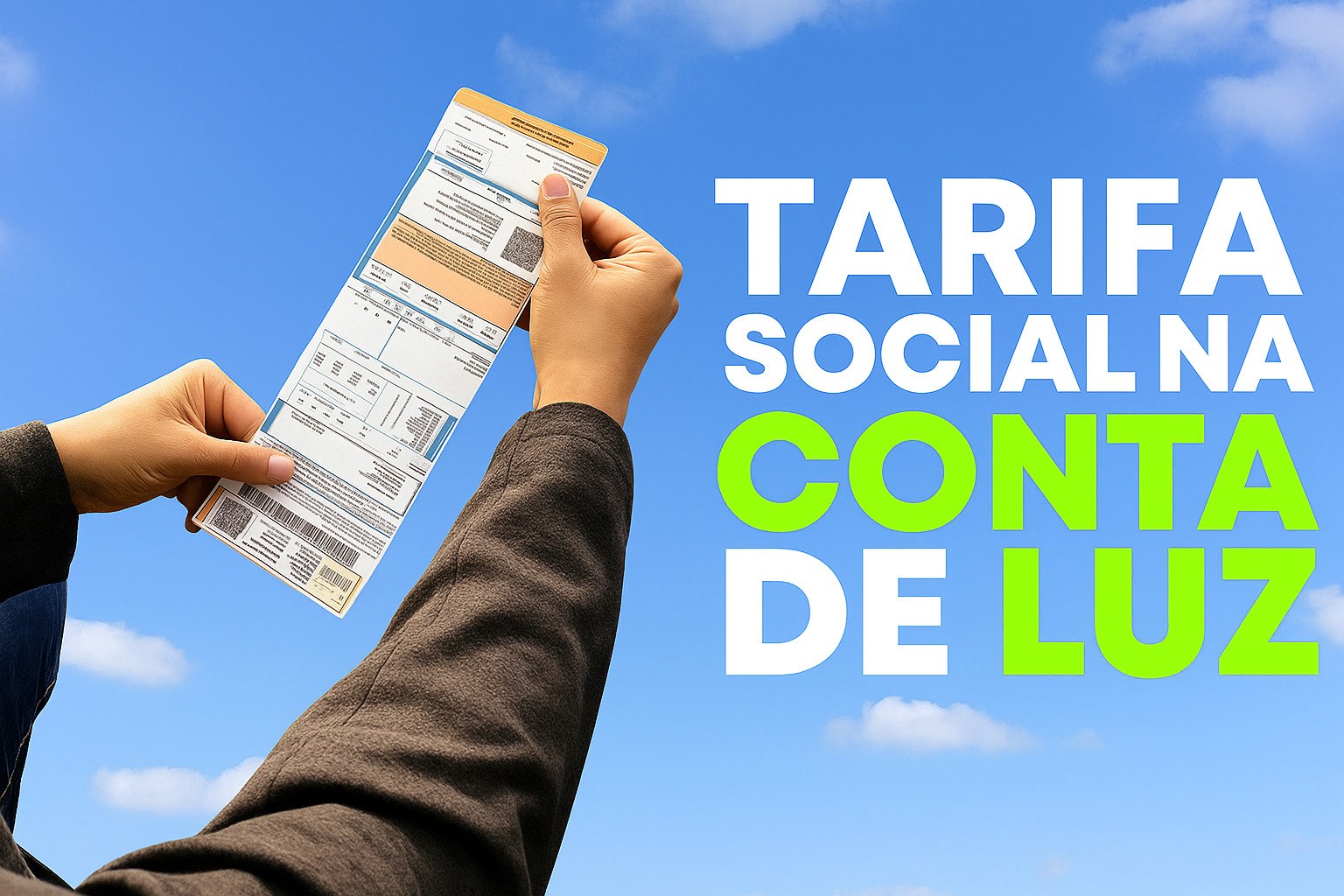

Learn How the Social Electric Tariff Guarantees Free or Discounted Electricity Bills and Promotes Inclusion for Millions of Brazilian Families in Vulnerability.
The social electric tariff transforms the lives of millions of Brazilians, especially those living in vulnerable situations. With the recent expansion of the benefit, approximately 60 million people gained access to cheaper or even free electricity bills, according to criteria defined by the Federal Government.
Therefore, the objective is simple yet powerful: to ensure access to electricity as an essential right, providing more dignity and quality of life for low-income families.
This public policy has evolved over time and gained new contours with the Luz do Povo program, which expanded the criteria and benefits granted. Thus, the initiative shows that electricity, beyond a technical service, is an instrument for social inclusion.
-
Itaipu Dam Stuns Visitors with First Spillway Opening in 2026, Showcasing the Power of Water Once Again

-
USP researcher creates thesis to attract international funds for the country’s electric energy sector
-
Trafigura receives authorization from ANEEL to trade electricity in Brazil and expands its operations in the largest energy market in Latin America.
-
Mobile solar panels promised to share space with corn crops, but the 20% to 25% shade reduced production by an average of 7.7% and opened a new dispute between energy and food.


Since the first discussions about tariff justice in Brazil, this topic has remained at the center of strategies to reduce inequalities and develop poorer regions.
Historically, the social tariff emerged in the 2000s when the country began discussing alternatives to alleviate the energy cost for families in poverty. At that time, access to electricity was still precarious in various regions.
Rural areas, riverine communities, and indigenous territories faced long periods without electricity coverage. The rural electrification advanced slowly, and the existing model favored only urban centers.
Moreover, the provision of energy prioritized wealthier regions, deepening social and energy inequalities. Only with the strengthening of public inclusion policies did this reality begin to change.
The creation of a social tariff represented a milestone for energy democracy in the country. By ensuring access to energy as a universal right, the State began to recognize that electricity is not just a technical necessity — it is a factor for social, cultural, and economic transformation.
Social Inclusion and Criteria for the Benefit
With the expansion of electrical infrastructure, the Government realized the need to create mechanisms that ensured the continuity of the poorest families on the grid. Therefore, it created the social tariff for electricity as a policy to combat energy poverty.
The measure aimed to prevent millions of families from having their service cut off due to non-payment, which occurred frequently.
Today, the program is integrated with the Cadastro Único (CadÚnico), which allows for automatic identification of families eligible for the benefit. Those with per capita income of up to half the minimum wage and consuming up to 80 kWh per month receive full exemption from the bill, only paying public lighting fees and local taxes.
Additionally, registration in CadÚnico eliminates bureaucracy and guarantees automatic access to the discount. This modernization reduces unjust exclusions and increases the efficiency of the public policy.
On the other hand, families consuming above 80 kWh/month can receive proportional discounts, adjusted based on income. According to the new regulation, by 2026, the system will undergo improvements to ensure justice and sustainability.
With this, it is expected to reach not only urban areas but also remote areas of the Legal Amazon and the northeastern semi-arid region, where the logistical cost of supply is higher and social vulnerability is critical.
Who Else Has the Right to the Benefit
In addition to low-income families, the social electric tariff also includes the elderly and people with disabilities receiving the Continuous Cash Benefit (BPC).
Likewise, indigenous and quilombola families registered in CadÚnico also have the right to the benefit, reinforcing the pursuit of energy justice and historical reparations.
These actions show that the State recognizes that electricity is a basic right and a pillar of citizenship. It enables study, work, health, and communication, in addition to ensuring dignity.
At the same time, the Luz do Povo program envisions a new advance: starting in 2026, 55 million Brazilians with income between half and one minimum wage per capita will be entitled to an average discount of 12% on their electricity bills.
This relief will come from the elimination of the Energy Development Account (CDE) charge for consumption of up to 120 kWh per month.
Many of these families use energy consciously, with basic appliances, and still face difficulties in paying. The new model helps these families preserve their income and maintain essential consumption.
Additionally, families served by isolated systems with solar generation and batteries will also benefit. This includes communities without access to the conventional electricity grid, strengthening the transition to renewable sources.
Freedom of Choice and Modernization of the Electric Sector
One of the main advances foreseen in the new energy policy is the freedom to choose the electricity supplier. The measure will be implemented gradually between 2026 and 2027, initially for companies and later for residential consumers.
Thus, consumers will be able to negotiate directly with suppliers, choosing tariffs and conditions that best meet their needs. This will bring more transparency, competition, and autonomy to the sector.
The Provisional Measure No. 1,300/2025, which is currently in Congress, establishes three pillars of the new energy policy: tariff justice, freedom of choice, and sector balance.
The Government assures that all changes will be implemented gradually, respecting existing contracts and ensuring legal and economic stability.
With this modernization, there is also an increase in adherence to distributed generation, such as residential solar photovoltaic systems. This transformation stimulates a sustainable, decentralized, and more accessible model for the population.
Furthermore, new startups and energy cooperatives are expected to emerge with the opening of the market, creating business opportunities and increasing the protagonism of consumers in the electric system.
Energy as a Social Justice Policy
The social electric tariff represents much more than a simple discount. It is a policy of social transformation, which ensures citizenship, dignity, and combats energy poverty.
In times of crisis, inflation, and unemployment, relieving the electricity bill makes a direct difference in the lives of those who need it most. This allows families to prioritize spending on food, health, housing, and education.
Moreover, recognition of energy as a fundamental right strengthens the role of the State in promoting equality and inclusion. This policy aligns with constitutional principles and the United Nations’ Sustainable Development Goals (SDGs).
With the expansion of access and the consolidation of new rules, the expectation is that the social electric tariff will continue to be a fundamental tool in combating inequality.
By illuminating homes, it also illuminates the future of millions of Brazilians.