






 Portuguese
  Spanish


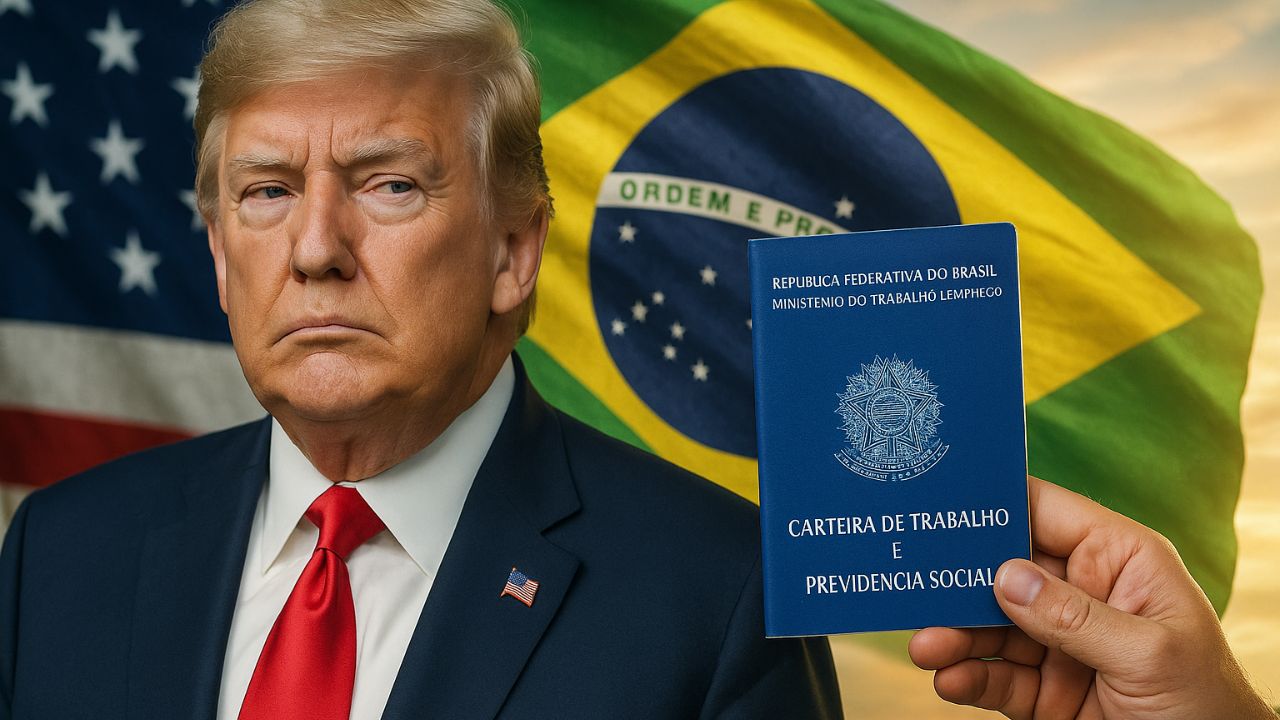

Understand How the Exemption of Key Products in the US Tariff Relieved the Impact on the Overall Economy, but Concentrated the Threat on Thousands of Jobs in Specific Sectors.
President Donald Trump’s decision to impose a hefty tariff on Brazilian products will have a smaller impact than expected on Gross Domestic Product (GDP). The exemption of hundreds of items changed the macroeconomic landscape. However, the measure still poses a serious threat to the job market, with estimates pointing to the loss of up to 140,000 jobs.
Exemptions of Key Products Relieve the Effect on the Brazilian Economy
Analysts revised their projections after the release of the list of exempt products. With the exemption of 694 exported items, including orange juice, oil, and airplanes, the projected negative impact on GDP for 2025 has been reduced and now stands between 0.13% and 0.6%. For these products, the tariff has been maintained at 10%, relieving the pressure on the Brazilian economy in general.
Projections Indicate Risk for 140 Thousand Job Positions in the Country
Despite the relief in GDP, the main concern is the social impact. The Federation of Industries of the State of Minas Gerais (Fiemg) estimates that the new tariffs could lead to the loss of 140,000 direct and indirect jobs in Brazil. The entity’s study also projects a possible drop of R$ 31.1 billion in the household income of Brazilian workers.
-
At 14 years old, she worked in a factory in Hong Kong, studied economics abroad, and then entered the Chinese real estate market, which helped change the landscape of Beijing.

-
While NATO secured more than $10 billion in missiles and space surveillance at a single forum, Brazil still spends 1.1% of its GDP on defense and is stalling its own anti-aircraft system.

-
Corn ethanol attracts R$ 23 billion in 21 new plants and prepares for a nearly 50% jump in Brazilian production by 2027, even with high interest rates.
-
A newly opened terminal in the middle of the Amazon has begun transporting soy and corn through Amapá, eyeing the queue of ships that is congesting the ports in the South.


Industrial and Agricultural Sectors Are the Most Affected by Trump’s Measures
The impact of Trump’s hefty tariff will be felt more severely by specific sectors. The steel, footwear, wood products, machinery, and agricultural industries are among the most exposed. The government estimates that of the total exported to the US, US$ 14.5 billion (35.9%) will be subject to the new 50% tariff.
Decline in Exports and the Future of the Trade Balance with the US
The direct consequence of the tariff is the reduction of Brazilian sales. Market estimates indicate that Brazil’s exports to the US could suffer a drop of up to US$ 4 billion. There is, however, an expectation that some of these losses may be mitigated, as calculations suggest that approximately 74% of the affected export volume could be redirected to other countries.






Trump, vai t n c.
I very delighted to find this internet site on bing, just what I was searching for as well saved to fav