






 Portuguese
  Spanish
  2 min of reading
  0 comments



Numbers Released This Wednesday (31) by the Brazilian Institute of Geography and Statistics (IBGE) Show That the Unemployment Rate in Brazil Is the Lowest Since 2014.
These numbers released by the IBGE based on data collected by the Continuous National Household Sample Survey (PNAD) show that the average unemployment rate in Brazil was 7.8% in 2023. In the quarter ending in December, this rate was 7.4%.
According to a statement released by the institute, this was the lowest level since 2014. At that time, unemployment reached 7%. Furthermore, the IBGE stated that this result represents a slowdown compared to the numbers recorded in 2022, when the average unemployment rate in Brazil hit 9.3%.
“The annual result is the lowest since 2014, confirming the trend already presented in 2022 of labor market recovery following the impact of the Covid-19 pandemic”, published the IBGE this Wednesday.
-
For the first time in history, solar and wind energy generated more electricity than natural gas worldwide in a single month, April 2026, a milestone in the energy transition that shows renewable sources taking the lead in the global electric system.

-
Petrobras is expected to complete the drilling of the Morpho well in the Foz do Amazonas in August 2026, the first well in the Equatorial Margin, an oil frontier that the ANP estimates at more than 30 billion barrels and could redraw the map of Brazil.
-
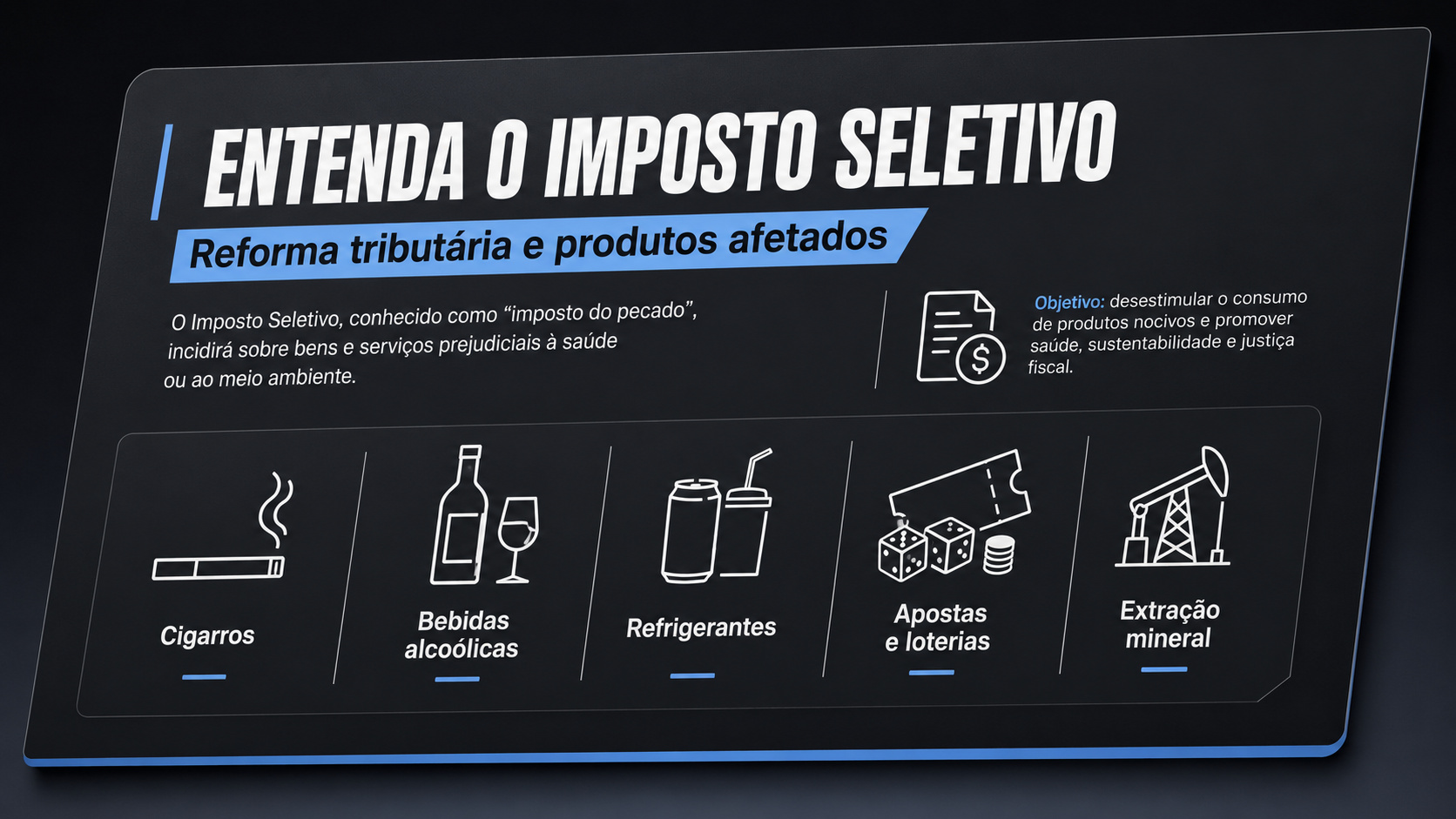
Government confirms sin tax for 2027 and explains why alcoholic beverages and cigarettes should not become more expensive right away, despite the new tax also covering soft drinks, polluting vehicles, mineral extraction, lotteries, betting, and fantasy sports games in a change that still depends on Congress.

-
Anvisa reveals flaws in supplements from IDNLABS and suspends 11 batches that include creatine, BCAA, beta-alanine, and multivitamins; the measure affects products with quality, composition, and labeling issues, while consumers are advised to check the printed codes on the packaging.



Employed and Unemployed Population
Another interesting piece of data revealed by the IBGE was regarding the average unemployed population. According to the data, in 2023, there were 8.5 million people in this situation. This number represented a reduction of 17.6% compared to the previous year.
On the other hand, the average employed population reached 100.7 million people in 2023. This number represents a record in the IBGE’s historical series and an increase of 3.8% compared to 2022.
According to the institute, the percentage of employed individuals in the working-age population, known as the employment rate, was estimated at 57.6% in 2023. In this regard, there was an increase of 1.6% compared to the previous year.
Regarding the type of employment, it is noted that the number of workers with formal contracts rose by 5.8% during the year. This percentage also represents a historical record and has an average of 37.7 million people.
Another interesting piece of data revealed by the IBGE was the increase of 6.2% in the number of domestic workers. There were an average of 6.1 million more people working in this area.
Average Salary Is Also on the Rise
Like most of the data, what pertains to the average salary also came with good news. According to the IBGE, the numbers collected by the survey show that, after two years of decline, the usual real average income had a rise of 7.2% in 2023. As a result, the amount increased to R$ 2,979.
This average income is the highest value since 2020, when income statistics were distorted due to the Covid-19 pandemic. At that time, lower-wage workers were excluded from the labor market due to the destruction of in-person job vacancies, caused by social isolation.
Finally, the survey showed that the mass of usual real income was estimated at R$ 295.6 billion. This is also a record in the IBGE’s historical series and represents an increase of 11.7% compared to the previous year.





Be the first to react!