






 Portuguese
  Spanish


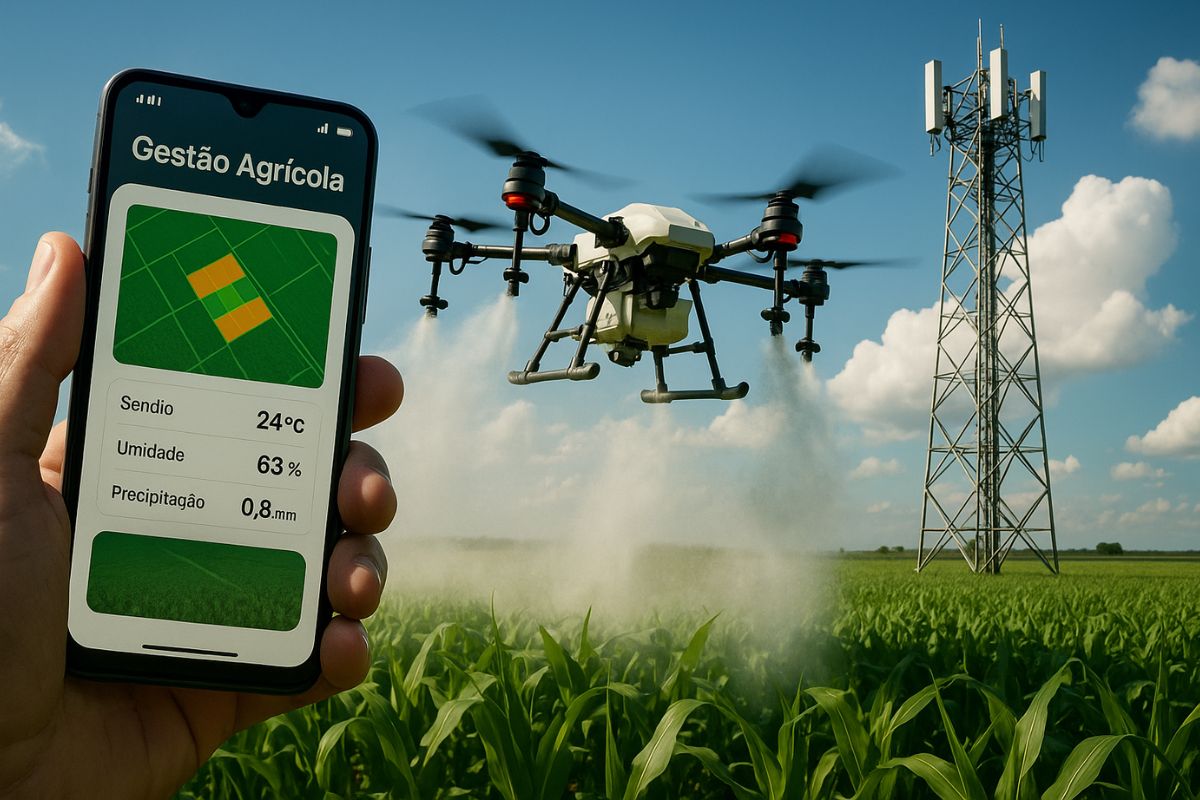


From Drones to Apps: How Technology in Agriculture Is Transforming the Field. The Use of Drones, Apps, and Connectivity Brings More Efficiency and Even Safety to Brazilian Rural Producers.
The technology in agriculture is advancing rapidly and is already beginning to change the reality of the field in Brazil. According to a report by g1, producers have turned to drones, sensors, apps, and even remote monitoring systems to tackle challenges ranging from crop spraying to combating animal theft.
Although harvesting robots are not yet part of the routine, digital solutions are improving productivity and safety. The progress, however, directly depends on connectivity, which still reaches only 35% of rural areas in the country, according to a survey by ConectarAGRO and the Federal University of Viçosa (UFV).
Drones: From Spraying to Livestock Counting
The use of drones in the field has ceased to be a promise and has become a practical tool. In cities like Caconde (SP), where steep terrain makes it difficult for machines to enter, drones have been used for spraying pesticides and fertilizers.
-
Quail Eggs Reveal a “Secret Code” on Their Shells Explaining Unique Patterns and Colors

-
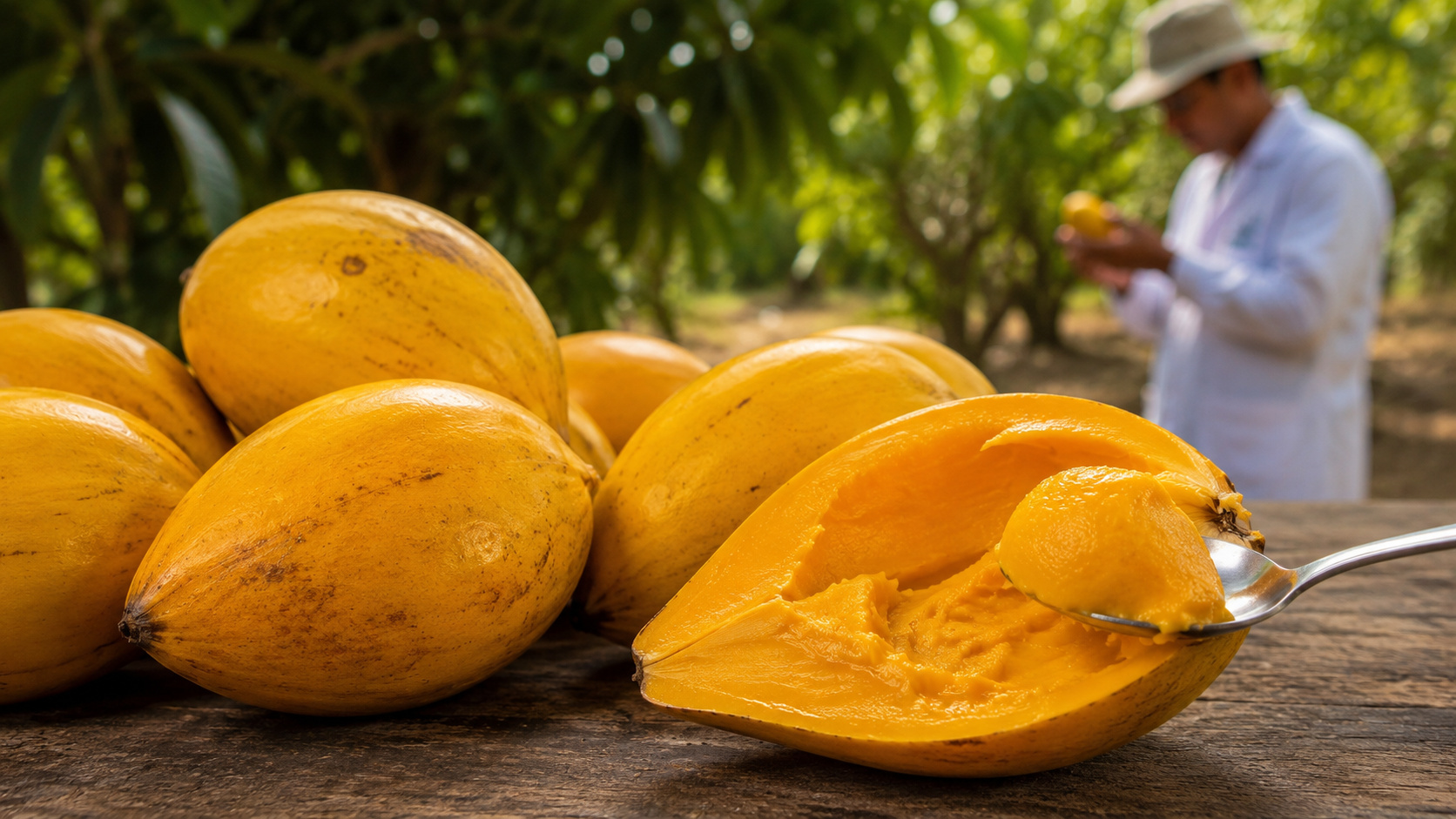
Rare Tropical Fruit Canistel, with Egg Yolk Color and Caramel Flavor, Gains Interest from Researchers and Small Producers in Brazil
-
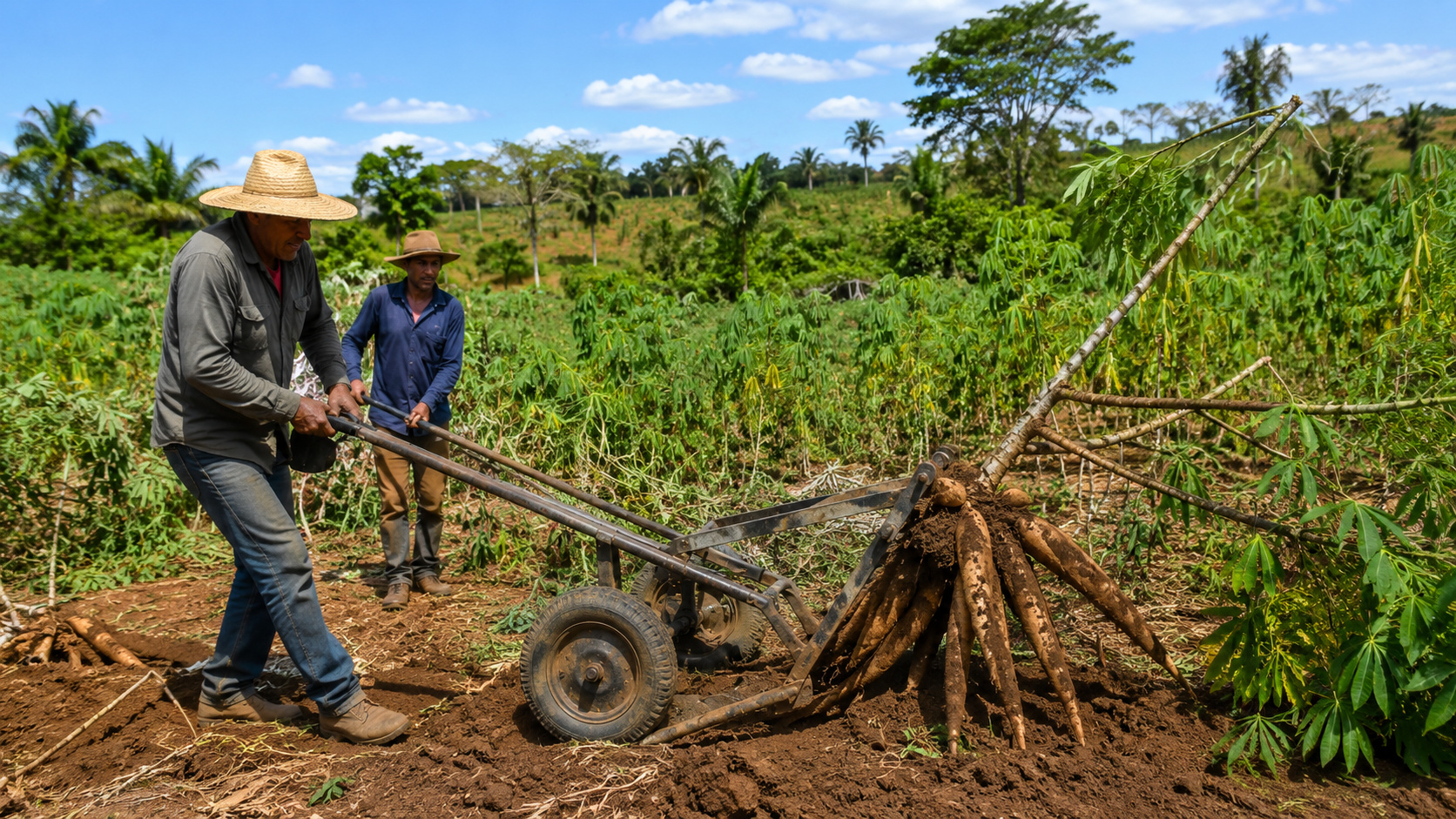
Brazilian Farmers Develop Wheeled Metal Lever to Ease Cassava Harvesting Without Heavy Machinery
-
Study of Brazil’s Tietê River Finds 25 Pesticides in Water, Including Cancer-Linked Substance Near Source


The investment is high at around R$ 135,000 per kit, according to the local Rural Union, but the gains in productivity and safety justify the cost.
Another application is in livestock farming. Embrapa Digital Agriculture, in Campinas, is developing a drone with artificial intelligence capable of counting livestock and monitoring the health status of animals. The technology reduces losses from theft or unrecognized deaths in time and can even indicate the best moment for slaughter.
Apps That Replace Technicians in Day-to-Day Activities
The lack of specialized professionals in the field has led to the development of apps that function as “digital advisors.” Semear Digital, a project by Embrapa, provides free tools for farmers and ranchers.
In aquaculture, for example, the app “Aquicultura Certa” helps to adjust parameters such as water pH and fish feeding. Meanwhile, in dairy farming, “Roda da Reprodução” offers guidance on the reproductive management of cows.
With few data entered by the producer, the system indicates whether production is within the ideal range or if adjustments are needed.
Connectivity and Safety in the Field
Rural connectivity goes beyond productivity: it has also become a security issue. In aquaculture properties, internet-connected camera systems have eliminated losses that reached R$ 20,000 per stolen cage, reports g1. The same resource already aids in combating fires, allowing for a quicker response to hotspots.
Projects like Semear Digital bring internet to hard-to-reach areas, whether by radio in mountainous regions like Caconde, or by satellite in isolated locations like Marajó Island (PA). With over 2,500 rural properties partially connected, the initiative is beginning to reshape the digital reality of the field.
Agtechs: Startups Accelerating Transformation
The ecosystem of rural startups, known as agtechs, is rapidly growing in Brazil. According to the study Radar Agtech Brasil 2024, developed by Embrapa and partners, the number of these companies has grown 75% in five years.
They operate in three areas: before production (purchase of inputs), within the farm (monitoring of inputs and water management), and after harvest (logistics and commercialization). This movement expands the accessible technology options for producers and strengthens the modernization of the national agribusiness.
The technology in agriculture has ceased to be a trend and is already a reality in various areas, bringing gains in productivity, safety, and sustainability. However, the connectivity challenge remains the main barrier to ensure these solutions reach all Brazilian producers.
And you, do you believe that connectivity in the field will accelerate the digital transformation of agribusiness or are there still gaps in incentives for small properties to access these technologies? Share your opinion in the comments — we want to hear from those who live this reality up close.


