






 Portuguese
  Spanish
  2 min of reading
  0 comments



“`html
Tension In The Middle East: Discover How Uncertainty Could Transform The Oil Supply Landscape!
The oil market is on high alert. Tensions between Israel and Iran have escalated, raising fears that the conflict could disrupt oil supply from the Middle East. With oil prices already high, the pressing question is: how far could this situation go?
The Role Of OPEC In The Current Crisis
The Organization of the Petroleum Exporting Countries (OPEC) has a significant excess production capacity, estimated at 5 million barrels per day (bpd). This means that, in theory, OPEC could offset potential supply losses from Iran. Analysts believe that even with the escalation of the conflict, a significant interruption, such as the closure of the Strait of Hormuz, is unlikely.
-
Oil production grows in Rio, but reserve replacement raises a warning sign

-
Petrobras is expected to complete the drilling of the Morpho well in the Foz do Amazonas in August 2026, the first well in the Equatorial Margin, an oil frontier that the ANP estimates at more than 30 billion barrels and could redraw the map of Brazil.

-
Oil returns to the center of concerns with tension between the US and Iran

-
IEA reduces forecast for global oil demand in 2026 after impacts of the Middle East crisis
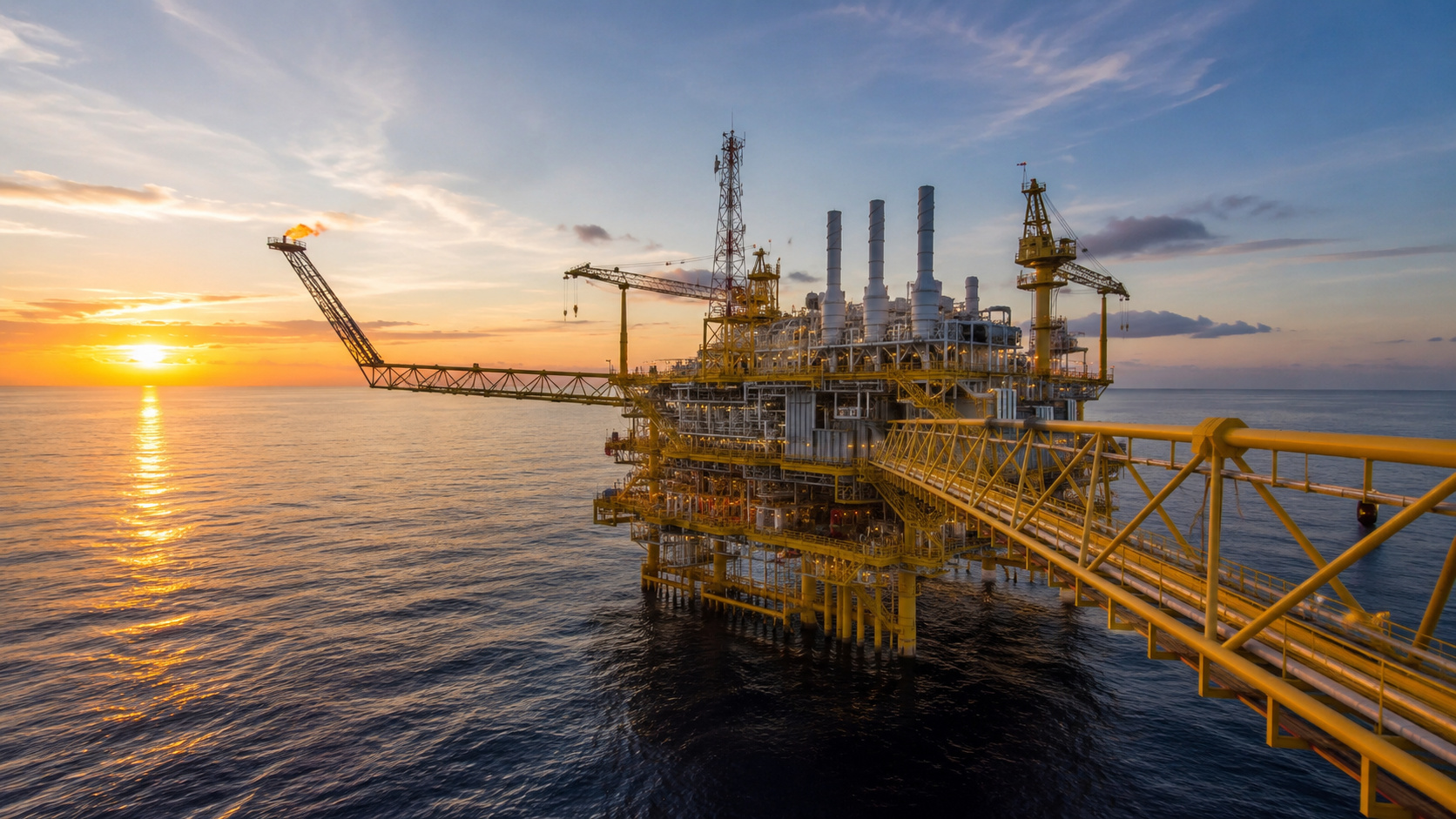


Potential Impacts On The Oil Market
The market is on edge after Iran’s recent missile attack on Israel. The Israeli response may include targets in Iranian energy infrastructure, which could further exacerbate the situation. Despite this, oil prices remained relatively stable after Hamas’s attack on Israel in October 2023, thanks to OPEC’s excess production capacity.
Possible Escalation Scenarios
- If Iran decides to block the Strait of Hormuz, oil prices could skyrocket to record levels.
- An Israeli attack on Iran’s oil export infrastructure, such as Kharg Island, is seen as a low-probability but high-impact event.
- The excess capacity of Middle Eastern producers, such as Saudi Arabia and the United Arab Emirates, may be vulnerable to attacks.
What’s At Stake?
The Strait of Hormuz is a crucial point for oil trade, moving about 20 million bpd. Any attempt to disrupt traffic at this point could be a turning point for the global oil market and the world economy. However, many analysts remain skeptical about the possibility of such a drastic escalation.
Final Thoughts
As the world watches closely, uncertainty continues to loom over the oil market. OPEC’s ability to mitigate potential disruptions is a reassuring factor, but volatility remains. The situation in the Middle East is a constant reminder of how geopolitics can drastically influence global energy supply.
“`




Be the first to react!