Portuguese
  Spanish


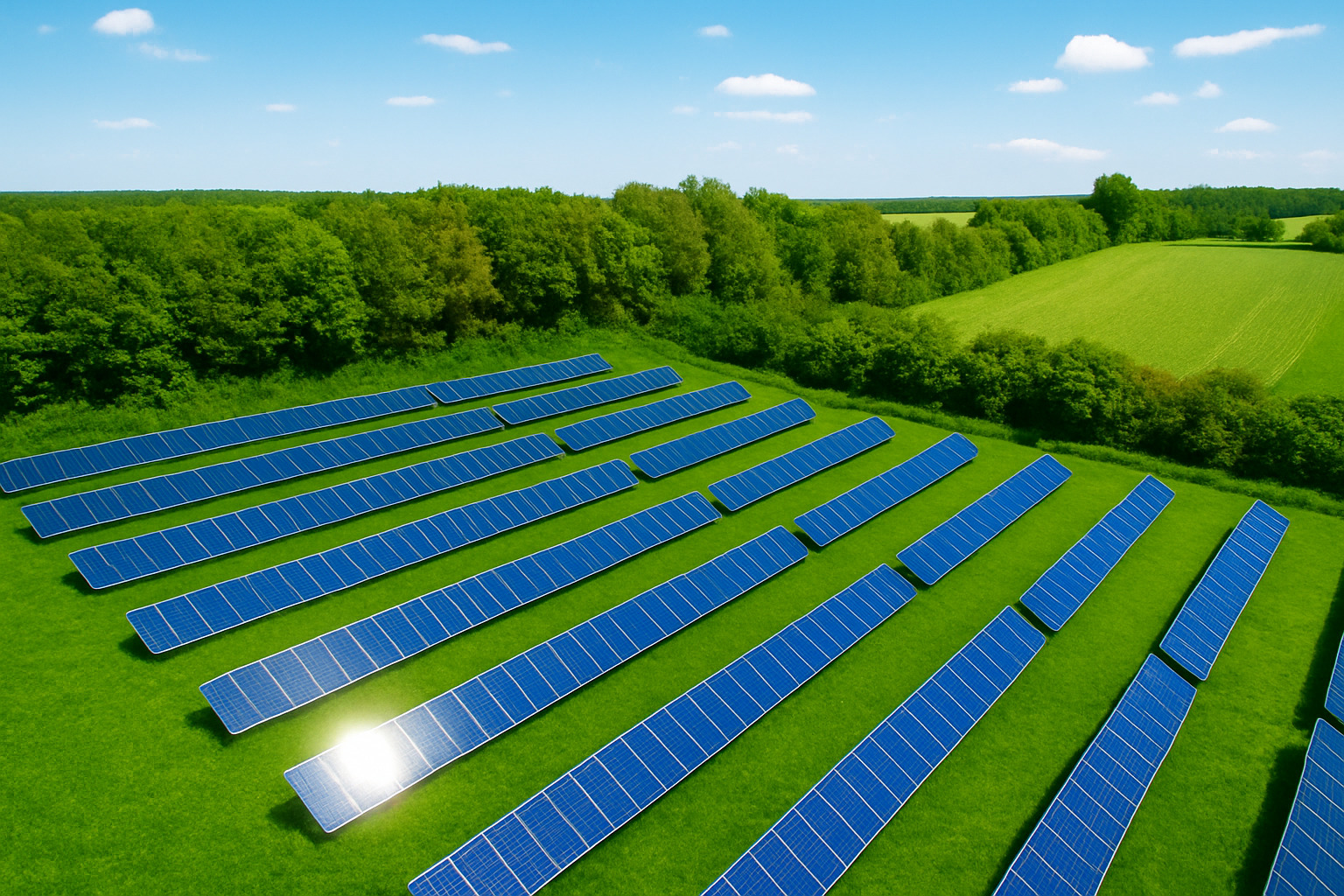

Discover How the Belém Terminal Ensures Supply with Solar Power Plant and Reinforces Commitment to Clean Energy and Sustainability in the Amazon
In recent years, Brazil has taken significant steps toward a more sustainable future. In fact, the energy transition has become central to discussions in public policies and decisions made by major companies in the sector.
Among these actions, the inauguration of the new solar power plant at the Belém Terminal, promoted by Transpetro, a subsidiary of Petrobras, stands out. In this sense, the terminal, located in one of the most strategic regions of the Amazon, now features solar power supply, reinforcing the commitment to environmental preservation and the reduction of polluting gases.
This change, in turn, did not happen by chance. Over the past few decades, the world has become increasingly concerned about the impacts of climate change.
-
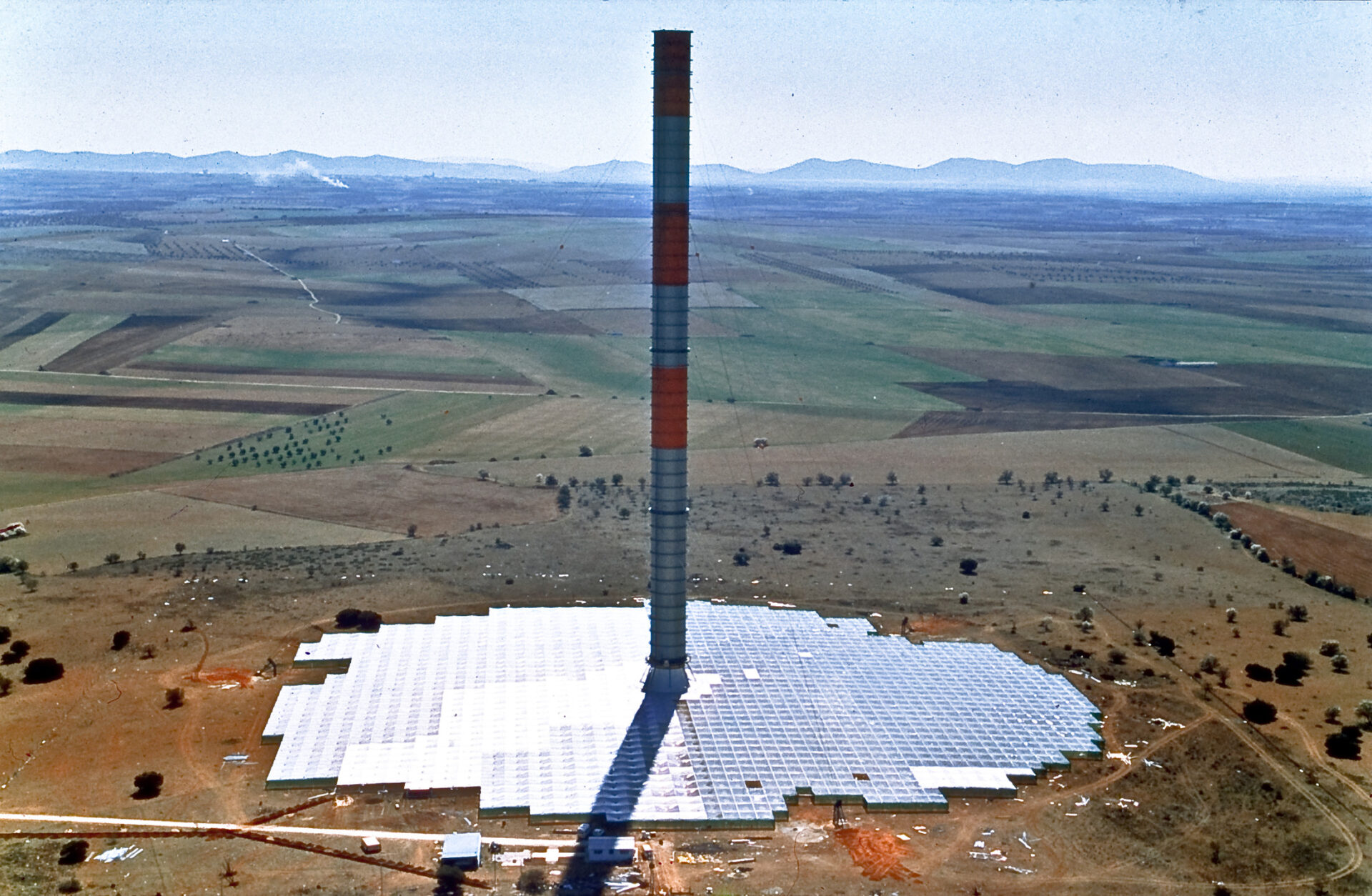
Solar Chimney in Spain Harnessed Sun to Generate Electricity for 7 Years Without Burning Fuel

-
Solar energy reaches 55 GW, becoming the second largest power source in Brazil’s energy mix

-
Solar energy can increase property value by up to 10% and become a selling point.
-
Solar and wind energy surpass natural gas for the first time in the world and accelerate energy revolution



The burning of fossil fuels, after all, is one of the main sources of greenhouse gas emissions and heats the planet at an accelerating pace.
In light of this, many countries have started investing in cleaner and safer alternatives. Brazil, with its vast array of natural resources, is ideally suited to lead this transition.
Consequently, solar energy emerges as a promising solution to meet the growing demand for electricity in a clean manner.
Photovoltaic technology, which converts sunlight directly into electricity, has become more accessible and efficient. Currently, thousands of Brazilians use solar systems in homes, businesses, and industries.
At the Belém Terminal, the application of this technology represents, therefore, a concrete advancement in the sustainable operation of large logistics structures.
Solar Power Plant at Belém Terminal: A Milestone for Sustainability
The inauguration of the solar power plant at the Belém Terminal marks a new phase for Transpetro in its pursuit of sustainable operations.
Through the “Terminal + Sustainable” program, created specifically to reduce the environmental impacts of the company’s activities, the project was developed.
The investment of R$ 3.2 million enabled the installation of a plant with a capacity of 300 kW, sufficient to meet the entire electrical demand of the terminal. Thus, the company eliminates approximately 30 tons of CO₂ per year.
In addition to the positive environmental impact, the solar power supply also represents economic gains.
Transpetro therefore anticipates an annual savings of R$ 400,000 with the new structure. Energy independence reduces costs, increases predictability, and directly contributes to a more sustainable financial planning in the long term.
However, the solar power plant is not the only notable initiative at the Belém Terminal. The company has also implemented a rainwater harvesting system capable of reusing up to 3,600 cubic meters per year.
Another system, still in the implementation phase, will use water accumulated in the containment basin of liquefied petroleum gas (LPG) tanks, with an expected savings of 1,300 m³ of treated water per year.
With this, Transpetro demonstrates a conscious and integrated management of natural resources.
Thus, the company has transformed the Belém Terminal into an example of a modern, clean operation adapted to the environmental challenges of the 21st century.
The decisions have not been limited to the installation of equipment: they reflect, above all, a profound change in the organizational culture of the company.
A Solar Brazil: Historical Context and Regional Advancement
For decades, Brazil concentrated its electrical matrix on hydropower plants. Although it is a renewable source, this model depends on the volume of water in rivers, which becomes risky during prolonged dry periods.
As a result, in recent years, extreme weather phenomena have tested the security of this system.
In this context, solar energy has strengthened as a viable alternative.
Technological advancements have reduced the costs of solar panels and allowed small and medium units to generate their own energy.
According to data from the National Electric Energy Agency (Aneel), there has been significant growth in micro and mini-generation, especially in the Southeast and Central-West regions.
In the North Region, however, this growth is still happening timidly.
Belém, for instance, has just 38 industries with distributed generation connected to the national grid.
The initiative by Transpetro, therefore, plays a strategic role.
By ensuring the solar power supply at the Belém Terminal, the company shows that it is possible to generate clean energy even in challenging regions, with high humidity and strong solar seasonality.
Therefore, the influence of the project can extend beyond the energy sector.
Its replication in other industrial and public areas can stimulate a new culture of sustainability in the Amazon.
Initiatives like this promote the creation of green jobs, drive local innovation, and make the region less dependent on polluting sources.
Transpetro’s Environmental Commitment and the Future of Energy
As Belém will host COP-30 in 2025, this choice places the capital of Pará at the center of the global climate debate.
Therefore, launching a sustainable project in a city that will welcome world leaders reinforces Transpetro’s message: it is possible to align development with preservation.
The president of the company, Sérgio Bacci, asserts that sustainability guides all strategic decisions.
He emphasizes that Transpetro acts proactively in the decarbonization of its operations, seeking viable alternatives that ensure economic results without compromising ecosystems.
In this context, the company understands that the oil and gas sector needs to evolve.
Incorporating renewable sources such as solar and wind energy has become a requirement to remain competitive in increasingly demanding markets.
Investors, consumers, and governments are pressing for solutions that reduce the environmental impact of industrial activities.
Solar Energy as a Symbol of Sustainable Transformation
Márcio Guimarães, director of Pipelines and Terminals at Transpetro, highlights that the Belém project is just the beginning.
He plans to extend the solar power supply model to other terminals of the company.
With this, the goal is to create an efficient, clean, and replicable operational standard.
The solar power plant at the Belém Terminal is not just a technical undertaking: it represents, above all, a new vision for the future.
By investing in clean energy, Transpetro breaks with past practices and adopts a modern and environmentally responsible stance.
This initiative not only reduces costs and emissions but also inspires other organizations to follow the same path.
As Brazil has high solar potential and ample irradiation throughout the year, the country can become a powerhouse in clean energy.
To achieve this, planning, commitment, and courage to innovate are essential.
Transpetro’s project demonstrates that with these elements, it is possible to transform the energy matrix, protect the environment, and build a legacy for future generations.
In light of all this, it is evident that the solar power supply at the Belém Terminal is a concrete example of how companies can lead positive change.
By turning promises into actions, Transpetro puts Brazil in the spotlight of the global sustainability agenda.