Portuguese
  Spanish


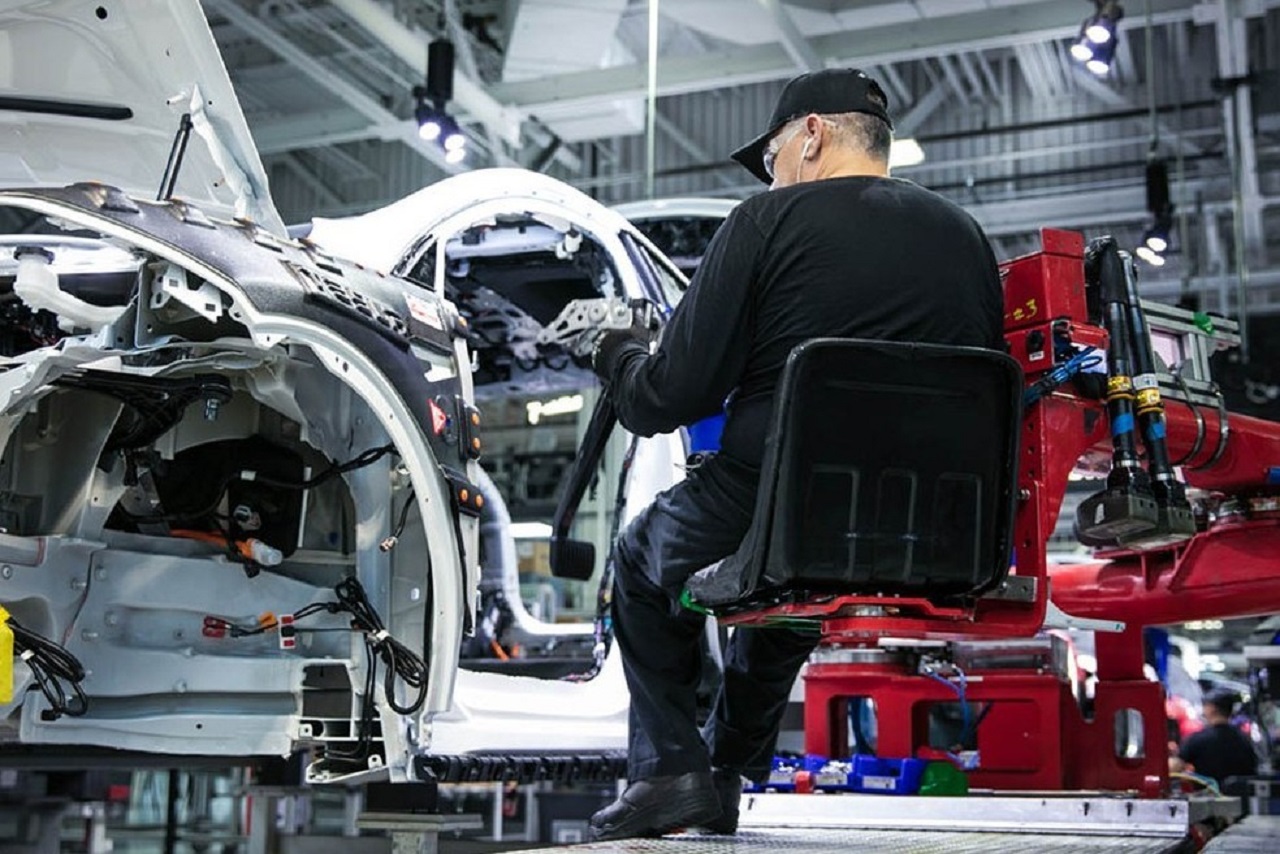

Tesla Is Willing to Rely Less on China and Acquire Graphite Used in the Production of Batteries for Its Electric Cars from Mozambique. The Company Plans to Buy Up to 80% of the Production Starting in 2025
Tesla, which set a sales record last year, announced that it will start acquiring graphite, one of the materials used in the production of batteries for its electric cars, from Mozambique, Africa. The reason is to rely less on China, which dominates the global graphite markets, as well as to steer clear of some controversies. In December 2021, Tesla’s CEO, Elon Musk, made a deal with the Australian company Syrah Resources, which has one of the largest graphite mines in the world in Mozambique. The value of the contract, however, was not disclosed.
Read Other Related News
Tesla Plans to Buy 8,000 Tons of Graphite Starting in 2025
To rely less on China, Tesla will purchase the ore from Syrah’s processing plant in Vidalia, Louisiana, which brings the material from its mine in Balama, Mozambique.
-
Rolls-Royce Turns Heads with 30-Inch Floating Wheels, 6.6-Liter V12 Engine, and 563 Horsepower

-
2019 Kia Sportage EX: A Spacious and Cost-Effective SUV with 2.0 Flex Engine and Panoramic Roof
-
Fiat Strada Becomes Top Seller in June, Surpassing Onix, Polo, Hilux, and T-Cross with 107 HP Engine and 732 km Range.

-
Suitcase-sized hydrogen engine spins at 25,000 rpm, nearly doubling the efficiency of conventional cars and replacing exhaust smoke with water vapor


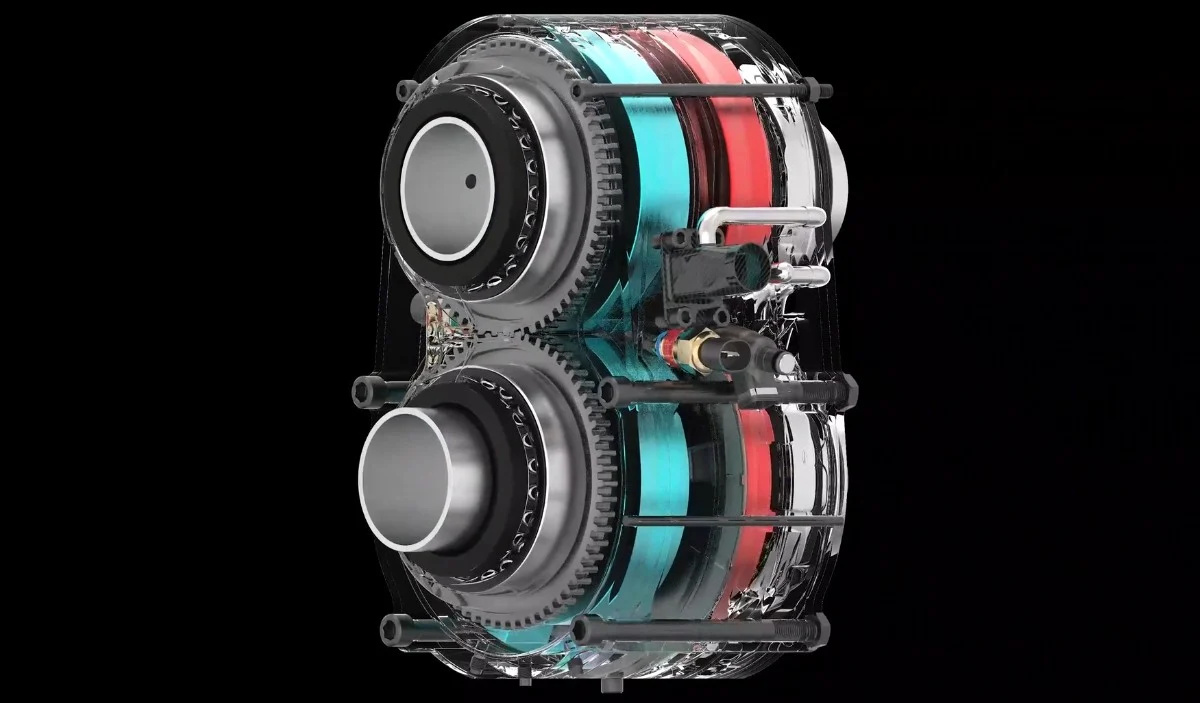
Traditional electric car batteries, made of lithium-ion, use metal oxides of cobalt, iron, nickel, graphite, manganese, silica, and titanium oxides, among other chemical elements. Tesla’s ambitions to no longer need graphite from China are so strong that the electric vehicle manufacturer has already stated that it plans to buy 80% of what the plant in Mozambique produces starting in 2025, that is, 8,000 tons of graphite annually.
Electric Battery Production in the USA Will Help Reduce Problems
According to data provider and battery materials intelligence from the United Kingdom Benchmark Mineral Intelligence, Simon Moores, everything starts at the top, with geopolitics.
The USA plans to build enough domestic capacity to develop electric car batteries within the country, and this agreement will allow Tesla to obtain graphite without relying on China. The electric car battery expert also states that producing the component on American soil will help reduce some impasses that Tesla faces in China, where there are environmental concerns in some mines.
However, the problems with the Chinese are not limited to that. In the Xinjiang region, where Tesla has a showroom, Chinese authorities are accused of engaging in forced labor and other human rights abuses against ethnic minorities, primarily Muslims.
Volkswagen Shows Progress in Electric Car Battery Manufacturing
Volkswagen began 2022 confirming that it will build six new giant battery factories for electric vehicles across Europe, starting with Salzgitter in Lower Saxony, expected to begin operations in 2025. Additionally, the automaker stated that it will open a new subsidiary focused on the battery sector that will also engage in recycling components that have already been used.
VW will build the second of the six battery factories in Sweden, in partnership with StartUp Northvolt, where it holds 20% of the shares. The other four locations have yet to be defined, but the automaker says that all units should be operating by 2030, the year set by it as a deadline to have 70% of sales concentrated in fully electric cars.