Portuguese
  Spanish


Entry version of the Kardian 2027 targets lower price, turbo flex engine, and compliance with the Sustainable Car Program, in a move that could reposition Renault’s compact SUV against rivals like Fiat Pulse, Volkswagen Tera, and Citroën Basalt.
Renault is preparing a new entry version of the Kardian 2027 to try to fit the compact SUV into the Sustainable Car Program, a federal initiative that reduces taxation on more efficient national models.
Positioned below the current Evolution with manual transmission, the configuration should combine a 1.0 TCe Flex engine, six-speed manual transmission, and lower weight to reduce consumption, emissions, and price.
The plan places the model in a segment contested by Fiat Pulse, Volkswagen Tera, and Citroën Basalt, especially in the entry versions of these compact SUVs.
-
Rolls-Royce Turns Heads with 30-Inch Floating Wheels, 6.6-Liter V12 Engine, and 563 Horsepower

-
2019 Kia Sportage EX: A Spacious and Cost-Effective SUV with 2.0 Flex Engine and Panoramic Roof
-
Fiat Strada Becomes Top Seller in June, Surpassing Onix, Polo, Hilux, and T-Cross with 107 HP Engine and 732 km Range.

-
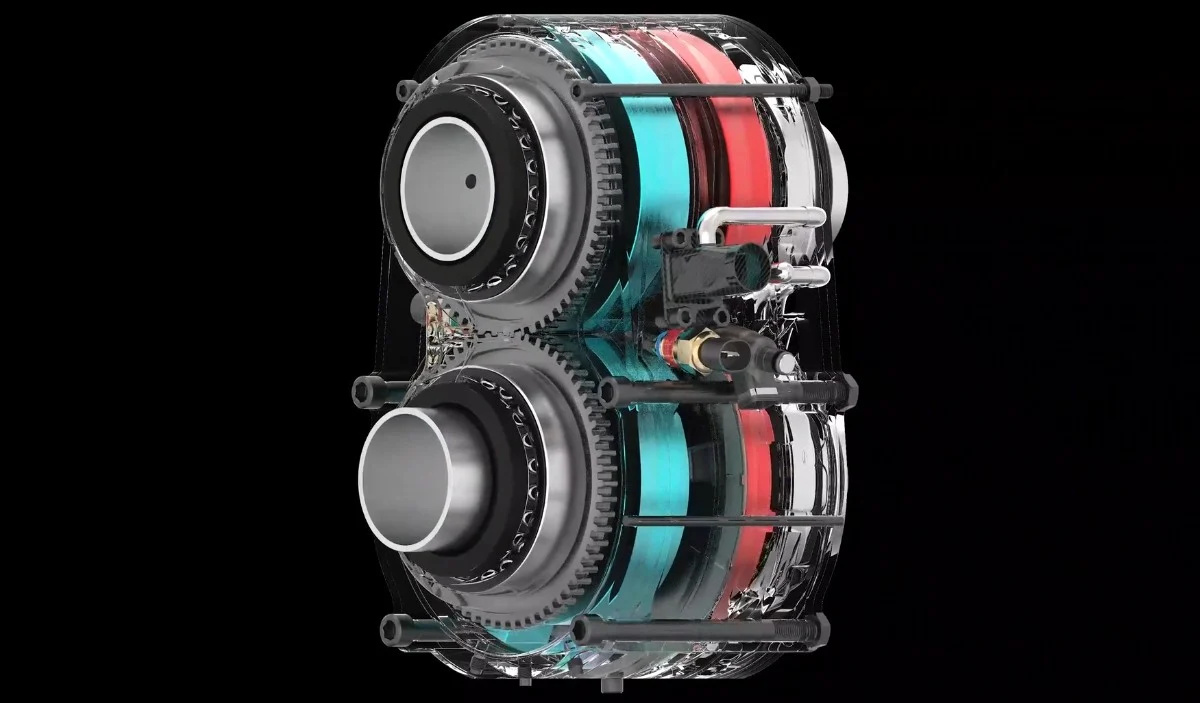
Suitcase-sized hydrogen engine spins at 25,000 rpm, nearly doubling the efficiency of conventional cars and replacing exhaust smoke with water vapor


In Renault’s consulted table, the manual Kardian Evolution appears at R$ 113,690, with a 125 hp turbo engine and 220 Nm, equivalent to 22.4 kgfm, in addition to a six-speed manual transmission.
Simpler version seeks zero IPI
The new entry configuration of the Kardian should lose equipment and receive engineering adjustments to reduce weight, according to information published by specialized automotive sector vehicles.
This reduction is one of the technical paths used by automakers to improve energy efficiency indices and facilitate the inclusion of vehicles in the federal program’s rules.
The Sustainable Car Program is part of the Green IPI policy and provides tax benefits for compact vehicles produced in Brazil that meet environmental, industrial, and safety criteria.
Among the requirements disclosed by the government are CO₂ emissions, more than 80% recyclable materials, national manufacturing, and classification of the vehicle in the compact category.
In practice, the incentive allows the IPI of cars that meet the established conditions to be zeroed, which can reduce the final price passed on to the consumer.

Due to this tax design, manufacturers have been revising versions, equipment packages, and mechanical calibrations to adapt entry-level products to the criteria defined by the federal government.
1.0 TCe Flex Engine Expected to Lose Power
The future configuration is expected to preserve the 1.0 TCe Flex engine, but with less power compared to the set currently used in the Kardian Evolution manual.
According to information published by Auto Esporte and Autos Segredos, the engine is expected to deliver around 116 hp, compared to the 125 hp currently reported by Renault in the available versions.
The torque, on the other hand, is expected to remain close to 22.4 kgfm, a value reported for the current set and associated with performance in urban and highway use.
In compact vehicles with manual transmission, the availability of torque at low revs usually influences acceleration and take-offs, especially when the car is carrying passengers and luggage.
The combination of lower power, weight reduction, and possible calibration adjustments tends to improve consumption numbers, according to the technical logic adopted for efficiency programs.
The same set of changes can also contribute to reducing emissions, a decisive factor for the model’s entry into the Sustainable Car Program.

Manual Transmission Reinforces Lower Price
The six-speed manual transmission will play an important role in the entry-level configuration planned for the Kardian 2027.
Having a lower industrial cost than automatic or automated transmissions, the manual gearbox helps position the SUV in a lower price range without abandoning the turbo flex engine.
In the current lineup, the Kardian offers versions with both manual and automatic transmissions, but the cheapest manual option still appears above R$ 110,000.
With the new variant, Renault aims to create space below the Evolution MT and bring the SUV closer to compact rivals that also target price-sensitive consumers.
This move comes at a time when the Brazilian market has returned to discussing entry-level cars, especially after the creation of incentives linked to energy efficiency.

In this scenario, simplified versions have been used by manufacturers as an alternative to reduce prices without relying on the launch of entirely new products.
Kardian 2027 will have fewer features
The Kardian 2027 intended for the program is not expected to receive significant visual changes compared to the model currently sold.
The main change should be concentrated in the content, with the removal of equipment and possible changes in finish, wheels, tires, or convenience items to reduce weight and cost.
Spy shots attributed to Auto In indicate that the version may have its own decoration, although there are no signs of apparent structural changes in the bodywork.
As Renault has not officially presented the model yet, details about the finish, list of standard items, and possible options remain without public confirmation.
The brand should preserve the items required by law and the elements necessary to meet safety regulations, but the final composition of the package still depends on official disclosure.
In entry versions, the definition of content usually balances price, legal requirements, production costs, and commercial positioning against direct competitors.
Fiat Pulse, VW Tera, and Citroën Basalt enter the spotlight
With the new version, the Renault Kardian 2027 is expected to compete for consumers looking for a compact national SUV with a lower price.
The competition mentioned for this range includes Fiat Pulse 1.3 manual, Volkswagen Tera 1.0 MPI, and Citroën Basalt, models positioned in entry versions or close to this level.

Renault seeks to expand the commercial reach of the Kardian in Brazil with a more accessible option within its own line.
Launched to operate among adventurous hatchbacks, compact SUVs, and smaller family models, the sports utility vehicle faces competitors offering simplified versions and entry-level prices.
The presence of the turbo engine can differentiate the Kardian within this segment, as long as the final price is below the mentioned competitors.
This positioning, however, can only be confirmed when Renault officially releases the full price list, equipment, and technical data for the 2027 line.
Launch in the second half
The new entry-level version of the Kardian 2027 is expected to be presented in the second half, positioned below the manual Evolution in the SUV range.
Until the presentation, Renault still needs to complete the technical adaptation of the model to the program’s rules and define the commercial package offered at dealerships.
Qualification for the Sustainable Car program may reduce tax costs and allow for a lower price compared to the currently sold manual configuration.
Even so, the final value will depend on factors such as standard content, the manufacturer’s commercial strategy, dealership network margin, and any adjustments applied to the line.
For now, the available public information indicates that Renault sells the Kardian Evolution MT for R$ 113,690 and reports a 1.0 turbo flex engine with 125 hp, 220 Nm of torque, and a six-speed manual transmission.
The future cheaper version has not yet had its price, commercial name, or final technical specifications disclosed by the manufacturer.