Portuguese
  Spanish


Piúma delivered the first stage of the new waterfront with gabion, boardwalk, bike lane, drainage, restinga, and solar lighting to contain coastal erosion.
The city of Piúma, on the southern coast of Espírito Santo, entered a new phase of urban requalification after the completion of the first stage of the revitalization of the Central Beach Waterfront. The intervention was designed to tackle a long-standing structural problem of the municipality: coastal erosion, which had been pressuring the coastal strip and affecting urban infrastructure, safety, and the touristic use of the beach. According to the Piúma City Hall, the stage was inaugurated on December 13, 2024 with an investment of R$ 20 million.
According to the same source, the delivered section covered the area between Alípio Paulo and Valberto Layber streets and benefited more than 22 thousand residents, in addition to enhancing the city’s tourist appeal. The project included coastal containment, drainage, paving, landscaping, bike lane, urban furniture, and solar energy lighting, consolidating the waterfront as a strategic infrastructure for the municipality.
Coastal erosion placed Central Beach at the center of urban protection works
The revitalization did not emerge merely as a landscaping intervention. According to DER-ES, the advancing sea and the wear of the coastline already required broader containment and restoration actions, which led the state government to announce, at the end of 2023, both the second stage of urbanization and the tender for erosion containment and restoration works of the Central Beach coastal region.
-
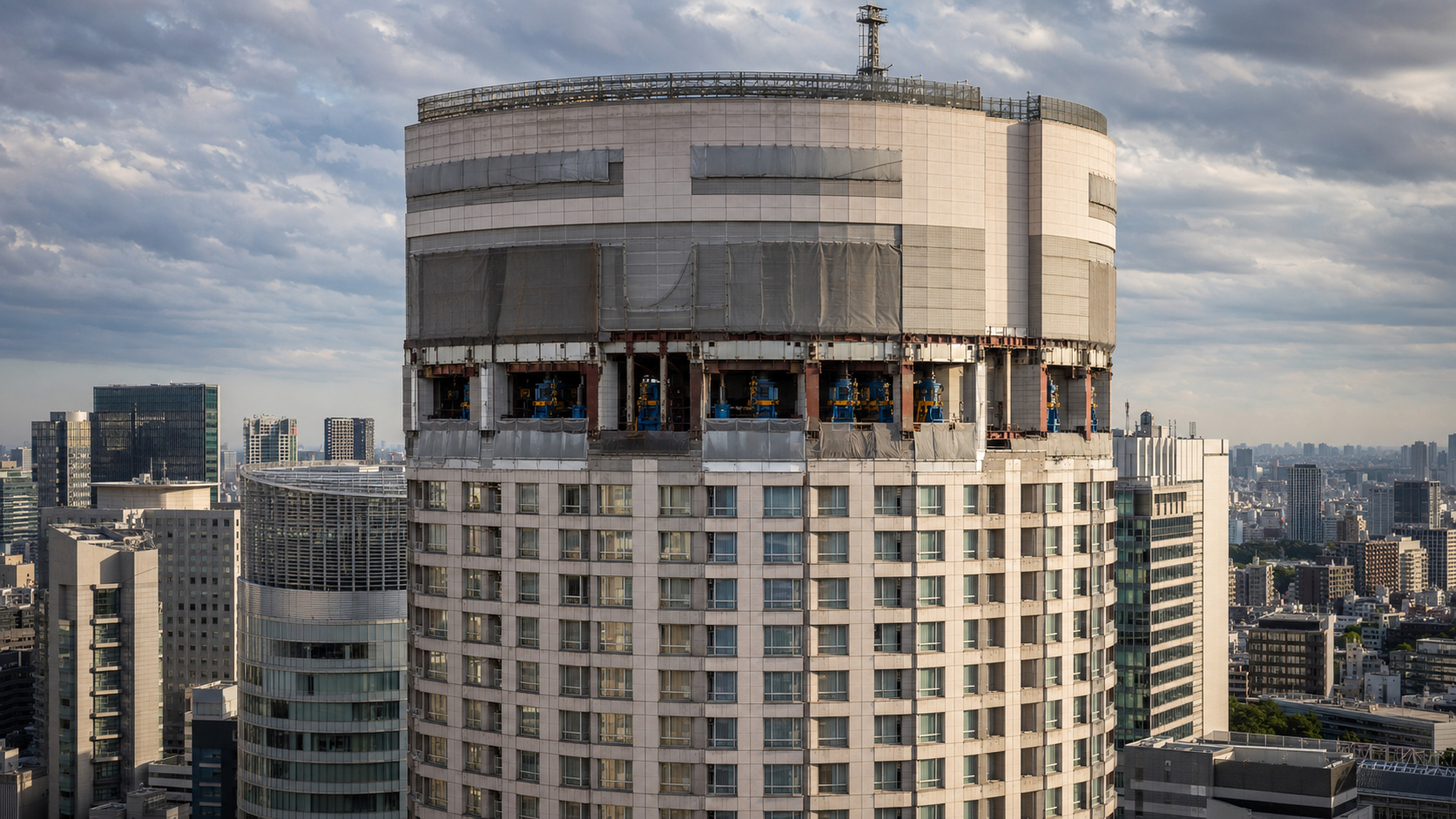
While large buildings are usually imploded or surrounded by external cranes, a 40-story hotel began to shrink in downtown Tokyo as machines dismantled its structure from the inside.

-
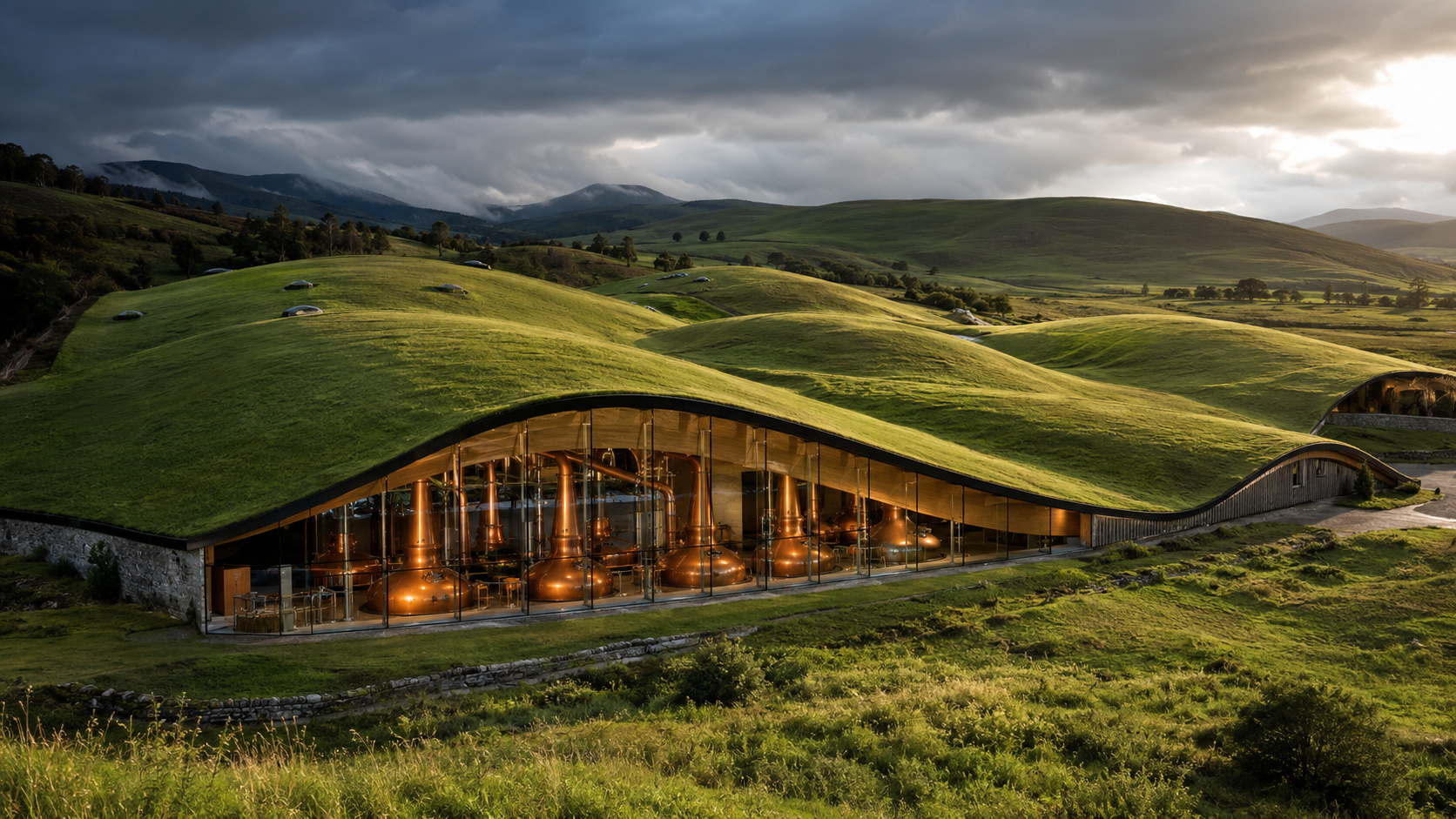
They seem like just green hills in Scotland, but they hide a 120-meter distillery, 36 stills, and the capacity to produce 15 million liters per year.
-
Avenue in São José dos Campos will be closed for 342 trucks to pour 2,730 cubic meters of concrete non-stop, forming a giant structural block with 165 piles of 26 meters, placing Jardim Aquarius at the center of the largest concrete pouring ever done in the RM Vale.

-
Family buys abandoned 110-acre ranch in Nevada, finds restaurant, store, apartments, houses, butcher shop, and sheds, removes tons of trash, faces daily leaks, and transforms weed-infested fields into the foundation for a rebuilt rural family complex with irrigation, vegetable garden, and rental income.


In that announcement, DER-ES reported that the coastal restoration project would cover 3.29 kilometers along Francisco Lacerda de Aguiar Avenue, with a maximum estimated cost of about R$ 65 million and a planned duration of 750 days.
The plan included artificial beach nourishment, construction of current guides at the mouth of the Itaputanga channel, and subsequent planting of restinga vegetation to help fix the sand.
This context helps explain why the waterfront project was treated as both an urban and coastal response. Piúma was not only seeking to renovate the beachfront but also to create a line of physical and environmental protection against an erosive process that had already been changing the city’s relationship with its main beach.
First stage delivered gabion, drainage, boardwalk, and bike path at Central Beach
According to the City Hall of Piúma, the first phase of the revitalization delivered 27,498 m² of concrete blocks, 750 meters of gabion-type retaining wall, and 2,680 meters of drainage network and curb. These numbers show that the intervention went far beyond aesthetics and had a strong component of coastal engineering and urban infrastructure.
The gabion was one of the most relevant elements of the completed stage. This type of containment, formed by metal structures filled with stones, is used to absorb part of the energy of the waves and reduce the erosion of the coastal edge. In the case of Piúma, it became the most visible piece of the strategy to protect Central Beach against the advance of the sea.
The urbanization also delivered 9,528 m² of boardwalk and bike path, reorganizing the circulation of pedestrians and bicycles along the waterfront. Thus, the coastal strip began to function not only as a protection area but also as a mobility and social corridor.
Solar lighting, trees, and restinga gave a new landscape to the Piúma waterfront
In addition to containment and paving, the project invested in landscaping and urban furniture to redefine the experience of Praia Central.
According to the Piúma City Hall, the first stage included 161 poles with solar lights, enhancing the lighting of the waterfront with a solution based on renewable sources.
The same delivery also included 418 trees planted, 3,902 m² of emerald grass, and 4,505 m² of restinga recovery. This aspect is especially important because restinga vegetation helps stabilize the sand, reduce wind action, and restore part of the environmental protection of the coastal strip.

In terms of furniture, the completed stage brought to the waterfront 151 concrete benches, 14 bike racks, 45 stainless steel trash bins, and 1,711 m² of horizontal and vertical signage. The intervention, therefore, combined coastal defense with public space requalification and reinforcement of the tourist use of the seashore.
The new waterfront ceased to be just a beach strip and became strategic urban infrastructure
With the delivery of the first phase, Praia Central began to assume a broader function within the city. What was previously treated mainly from the perspective of erosion began to be repositioned as a space for circulation, leisure, permanence, and urban enhancement.
At the inauguration of the completed stage, the project was presented by the municipal administration as a milestone for Piúma. The official discourse began to associate the reurbanization of the waterfront not only with the physical protection of the coast but also with the strengthening of tourism and the improvement of the quality of life for residents and merchants.
This change in perception is central to understanding the project. The waterfront ceased to be seen only as an area vulnerable to erosion and began to be treated as the city’s urban showcase, with a direct impact on the use of public space and the tourist image of the municipality.
Second phase expanded the redevelopment and increased the total investment
The transformation of Praia Central did not end with the delivery in December 2024. According to the Piúma City Hall, at the same event, the launch of the tender for the second phase of urbanization was announced, covering the sections between Itaperuna and Alípio Paulo streets and between Valberto Layber and Augusto da Costa Oliveira, with an estimated investment of R$ 28.1 million.
Before that, the DER-ES had already informed, in the end of 2023 announcement, that the second phase would include the redevelopment of three kilometers of the waterfront, with 29 blocks, 15,976 m² of block paving, 4,200 m³ of gabion wall, 13,459 m² of boardwalk and bike path, 224 poles with solar lights, 184 benches, and 37 bike racks.
On June 30, 2025, ES Brasil reported that the new phase had been authorized with an investment of R$ 18.8 million, planning 15.9 thousand m² of block paving, 13.4 thousand m² of boardwalk and bike path expansion, 37 bike racks, 184 benches, 324 units of landscaping and greenery, and about 3.7 thousand m² of dune recovery.
The publication also stated that, combined, the interventions were already nearing R$ 40 million in investments in the recovery of Praia Central.
Piúma attempts to transform coastal defense into a new showcase of the southern coast of Espírito Santo
The set of works shows a clear strategy: to unite coastal protection and urban requalification in a single project. The first phase already delivered included gabion, drainage, boardwalk, bike path, dune, solar lighting, and urban furniture, while the following phases advance over new sections and over the beach’s own restoration.
At the same time, the continuity of the works indicates that Piúma is still in the middle of a larger process. The city has already delivered the first phase of the new waterfront, advanced to the second phase of redevelopment, and maintained in parallel the front of coastal restoration, aimed at more durably containing the effects of erosion on Praia Central.
Overall, Piúma has moved from a scenario marked by the vulnerability of the coastal strip to a model where the waterfront is treated as a priority infrastructure. The combination of containment, mobility, landscaping, and environmental recovery repositions Praia Central as one of the main bets for urban transformation on the southern coast of Espírito Santo.