






 Portuguese
  Spanish


The dredge Galileo Galilei returned to Itapoá (SC) after maintenance in Europe and resumes this Saturday the dredging of Babitonga Bay, a R$ 333 million project that has already removed 4.9 million cubic meters of sand to deepen the port channel and feed Brazil’s largest beach widening.
The dredge Galileo Galilei is back in the waters of Santa Catarina after a period in Europe to undergo scheduled technical revisions and update international safety certifications required for vessels of its size. The equipment arrived in Itapoá, on the northern coast of Santa Catarina, on Friday night (24) and resumes dredging operations in Babitonga Bay this Saturday (25), continuing the project that combines the deepening of the port complex’s navigation route with the largest beach widening ever carried out in Brazil. Before returning to Santa Catarina, the dredge passed through Paranaguá (PR), where it refueled for the final trip to the operating point.
The volume of material already moved by the dredge is impressive in scale. To date, the Galileo Galilei has removed 4.9 million cubic meters of sand from the Babitonga Bay channel, an amount equivalent to the content of two thousand Olympic swimming pools. Part of these sediments was deposited on the coastline of Itapoá, where an expanded beach strip 8 kilometers long is being built. The total project involves an investment of R$ 333 million, made possible by a public-private partnership between the port administration of São Francisco do Sul and Itapoá, an operation considered pioneering in Brazil for reusing sand extracted from the channel to nourish the coast.
How the dredge works and why it needed to go to Europe

The Galileo Galilei operates using a self-propelled suction system. The process consists of positioning a pipe on the seabed while a pump system sucks up the sediment and water mixture, transferring the material to the vessel’s hold, called a hopper. When the compartment reaches maximum capacity, the dredge sails to the chosen discharge point and deposits the sediments on the seabed or pumps them directly onto the beach strip ashore.
-
U.S. Farmer Tackles $4 Million Water Issue by Installing Hundreds of Miles of Drainage Pipes to Protect Farm Profits

-
Two-Person Team Builds Entire House from Scratch in Just 3 Days Using Low-Cost Materials, Documenting Every Step on Video
-
New Anti-Humidity Paint Reduces Mold and Fungus by Controlling Condensation, Enhancing Indoor Protection and Paint Durability Without Major Renovations

-
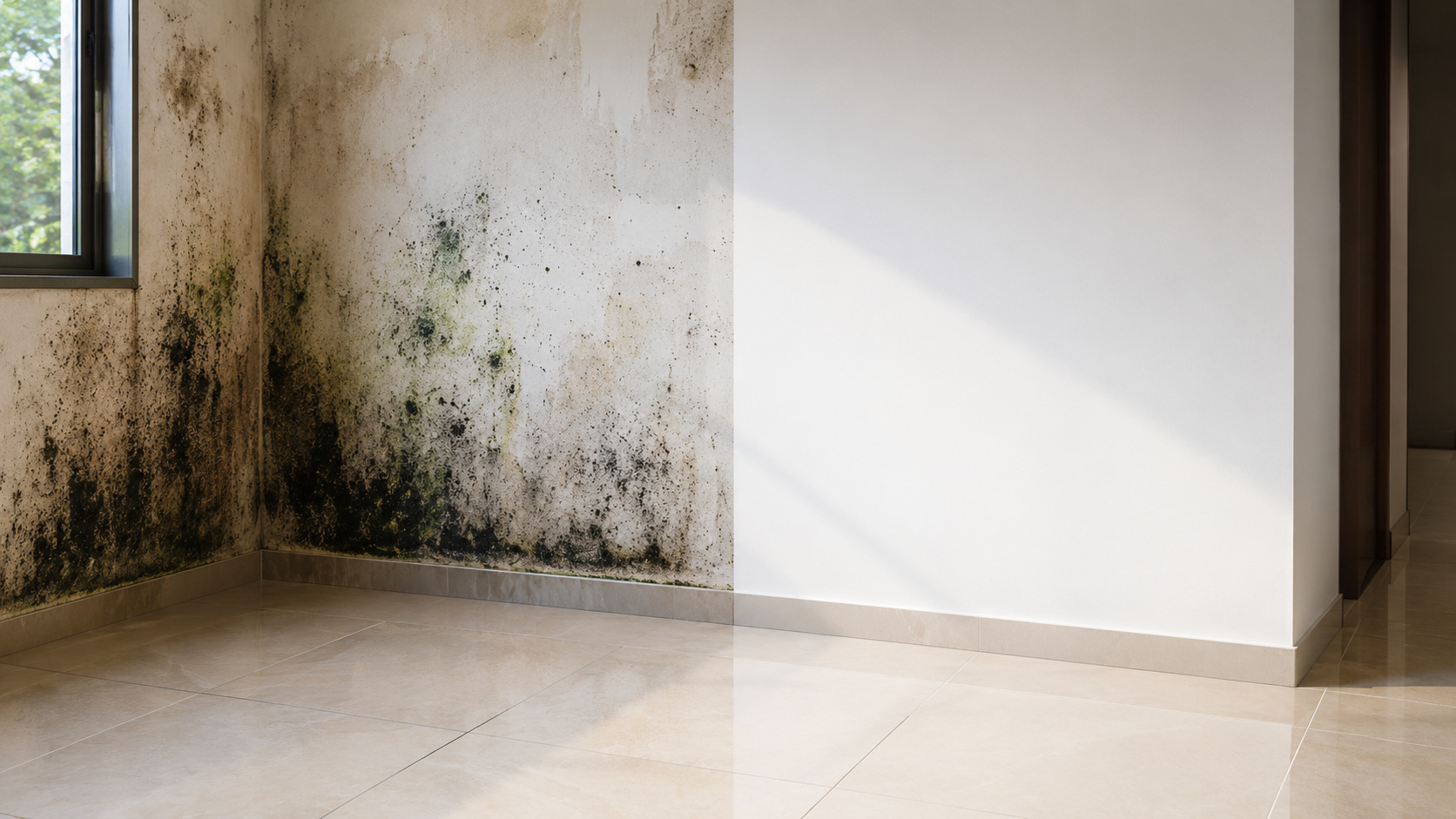
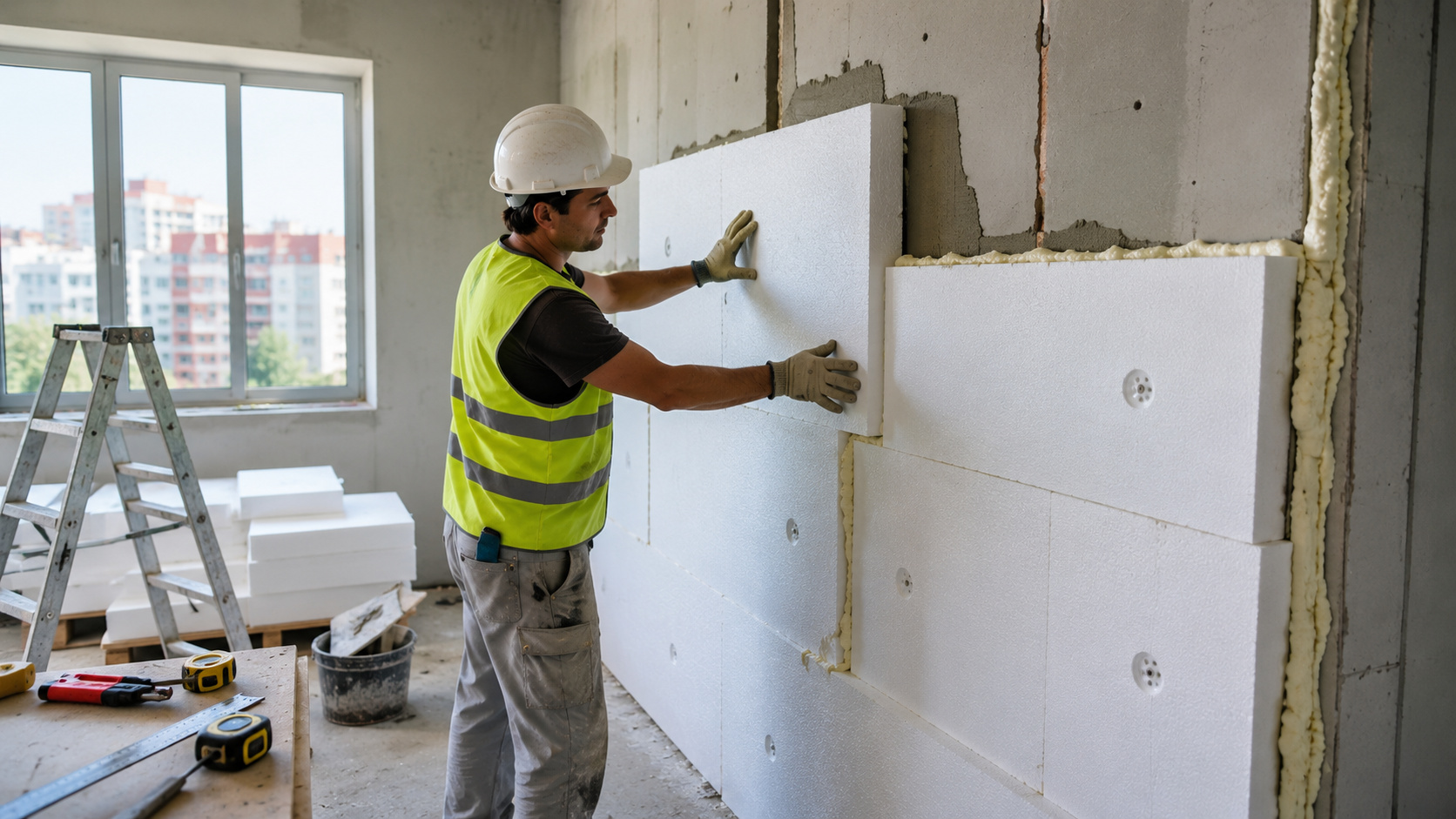
Polystyrene Panel Technique Goes Viral for Tackling Household Mold and Persistent Dampness


The trip to Europe was necessary because vessels of this type must comply with rigorous maintenance and certification schedules. Dredging equipment operates under extreme wear conditions, with components exposed to constant abrasion from sand and saltwater, and international safety certificates have a defined validity that requires the dredge to undergo periodic inspections regardless of the project’s progress. The temporary absence of the Galileo Galilei did not completely halt the project in Itapoá: while the dredge was away, other work fronts advanced on site.
What happened in Itapoá while the dredge was in Europe
The dredge’s stop did not mean the work stopped. During the period when the Galileo Galilei was absent, teams focused efforts on planting native seedlings in the already widened beach strip, a fundamental step to stabilize the deposited sand and create a vegetative barrier that prevents marine erosion from returning the material placed ashore to the ocean. More than 25,000 seedlings have already been planted, and the forecast is to produce 280,000 units by the end of 2026, using six different species cultivated in dedicated nurseries set up for the project.
Revegetation is as important as the dredging itself. Without roots fixing the sand and without vegetation reducing the direct action of wind and waves, the beach widening would progressively lose volume, and the dredge would need to repeat the work it has already done, making the operation economically unfeasible. The planting of native seedlings ensures that the 8 km of widened beach maintain their shape over the years, transforming an engineering intervention into a functional coastal ecosystem that sustains itself.
Why the dredge is deepening the Babitonga Bay channel
The dredge operation in Babitonga Bay is not just for feeding the Itapoá widening. The main objective of the dredging is to deepen the port complex’s navigation channel, increasing the depth from 14 to 16 meters, an expansion that will allow the entry of larger draft vessels and increase the operational capacity of the region’s ports. The channel curve is the most critical section: historically, the reduced depth at this point limited maneuvers and restricted the size of vessels that could access the facilities.
The sand removed by the dredge in this deepening is precisely the material that goes to Itapoá beach. Instead of discarding sediments in ocean disposal areas, as occurs in conventional dredgings, the project utilizes the byproduct of the port work to create tourist infrastructure and coastal protection, a model that those responsible classify as pioneering in the country. The 4.9 million cubic meters already extracted represent a portion of the total volume planned, and with the return of the dredge this Saturday, the R$ 333 million operation enters a new acceleration phase to meet the schedule within the R$ 333 million budget.
What changes when the dredge completes the work in Itapoá
The 8 km of widened beach transform the coastal configuration of the municipality. A wider strip of sand acts as a natural barrier against storm surges and rising sea levels, protects constructions near the waterfront, and expands the space available for public use, a combination that benefits both the safety of residents and the tourist potential of the region. For Itapoá, which competes for visitors with consolidated destinations on the northern coast of Santa Catarina, the expanded beach represents a concrete differential.
On the port side, the additional two meters of depth in the Babitonga Bay channel mean access for vessels that currently need to wait for favorable tide conditions or simply cannot enter. Larger ships transport more cargo per trip, reduce the unit cost of freight, and increase the competitiveness of the Port Complex of São Francisco do Sul against competitors such as Paranaguá and Itajaí. The dredge Galileo Galilei, back in Santa Catarina waters after the European season, carries on its pumping systems the economic and environmental future of a region that invested R$ 333 million in the idea that removing sand from the seabed can solve two problems at once.
And you, did you know that sand from port dredging is being used to widen beaches? Do you think this model should be replicated in other coastal cities? Leave your opinion in the comments.


