Portuguese
  Spanish


For Brussels, the country was warned for years and had the means to adapt to the sanitary requirements, but did not act. This is the version of the EU trade spokesperson, who minimizes the friction and foresees the approval of the treaty with Mercosur, currently questioned in the European Court.
The European Union states that Brazil had the economic, industrial, and technical capacity to avoid the meat ban, but did not take the necessary steps to comply with the bloc’s requirements. The assessment comes from the EU trade spokesperson, Olof Gill, in an interview published by Folha de S.Paulo on June 9, 2026. According to him, the country and the agricultural sector were warned about the possibility of restrictions on meat and soy imports, but did not make the changes within their reach, which led to the embargo being enforced.
According to the publication, Gill attributes the problem to Brazil’s failure to prove sanitary standards over the years. The spokesperson told Folha that, for three or four years, the European bloc asked the country to provide evidence that the food chain sent to Europe, such as meat, meets food safety and health standards, and that this has not been done so far. Despite the impasse, he believes that the friction should not harm the trade agreement between the European Union and Mercosur.
The European argument about Brazilian meat
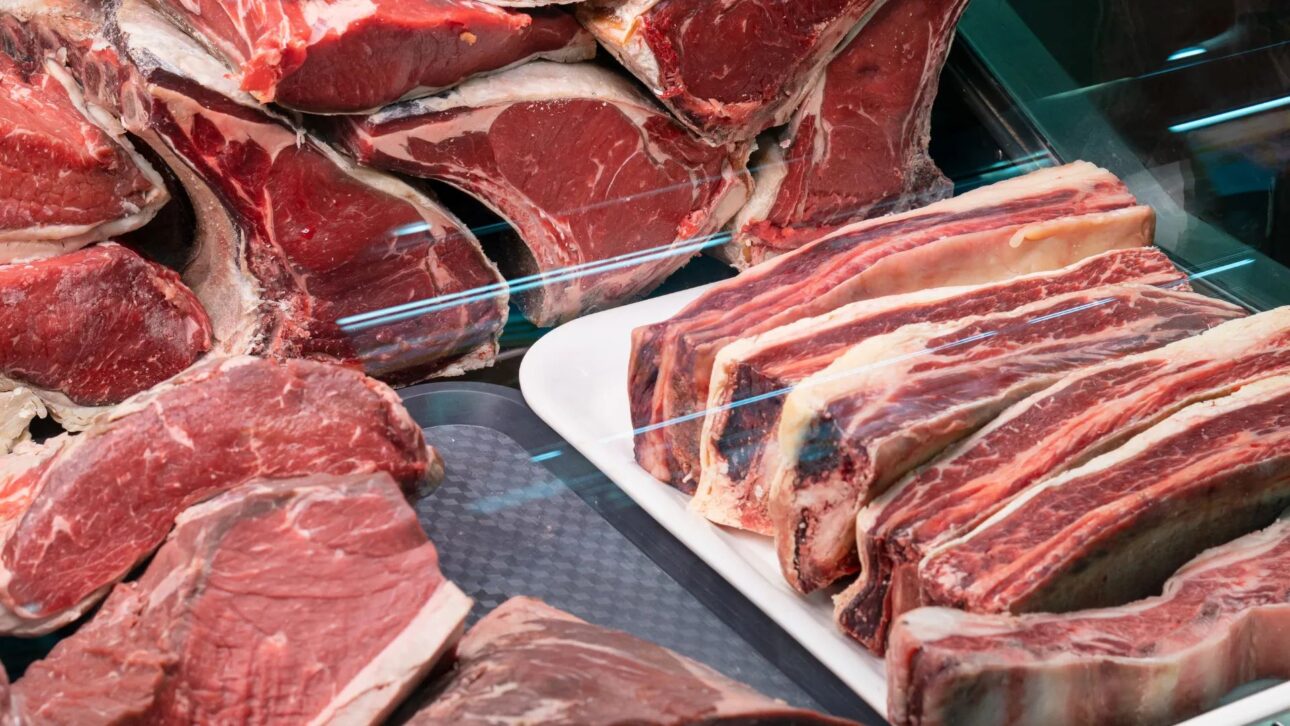
According to the interview with Folha, it was precisely the restrictions on some of these products that placed Brazil on the list of import bans.
-
Toll Fees in São Paulo’s Countryside Drop by Up to 50% Starting Today

-
Petrobras Invests $2.3 Billion in Brazilian Coastal Shipyards, Creating Over 5,000 Jobs and Revitalizing the Naval Industry

-
$2.5 Billion Amazon Potash Mine Aims to Reduce Brazil’s 95% Import Dependency

-
Grendene’s Sales Decline in 2025, but Melissa Brand Surges 36% and Becomes Key Focus


For the spokesperson, these sanitary parameters and the rules on the use of such substances are known worldwide, which, in the European view, removes the bloc’s responsibility for the imposed barrier.
In Gill’s attributed statement, the solution would be entirely in the hands of the Brazilian side.
The spokesperson told Folha they believe Brazil has the industrial capacity, knowledge, and economic power to easily meet the parameters, treating the issue as a simple decision for the country to take responsibility for the products it wishes to export.
According to him, if this adjustment is made, both sides will have a good trade agreement.
It is worth noting that this is the European Union’s version of a topic involving the commercial interests of both blocs.
The agreement between Mercosur and the European Union under judgment
The backdrop of the statement is the free trade agreement between Mercosur and the European Union, which remains in dispute.
According to Folha, the treaty is being judged by the European Court, and the spokesperson sees political motivations in the process questioning the agreement, attributing it to opponents who would try to reverse it in some way.
Even so, Gill argues that the understanding between the blocs presents no legal or juridical problems and that the outcome will be its approval.
Regarding the timeline of this judgment, the spokesperson avoided making predictions to Folha.
He stated it is impossible to estimate a date, noting that the case is not comparable to processes that normally take about a year or a year and a half in the Court.
Gill further argued that, as the agreement is already gradually coming into effect, the economic benefits would be felt by the European population, which, in his view, would ultimately weaken the arguments of those who fear harm to sectors of the continent.
A commercial friction with more than one side


The spokesperson’s statements expose the European reading of an impasse that directly affects Brazilian agribusiness.
Meat is among the main products on Brazil’s export agenda, and any restriction from a market the size of the European Union has significant economic weight for the country.
Therefore, the way the European bloc describes the episode, placing responsibility on the Brazilian side, is part of a negotiation that is still ongoing.
It is important to remember that the article presents the position of one of the parties involved in the friction.
The version of the Brazilian government and the agricultural sector regarding sanitary requirements, timelines, and the feasibility of adaptations may differ from the reading presented by Brussels.
In foreign trade matters, spokespersons’ statements often also reflect negotiation strategies, and the outcome tends to depend on the dialogue between the two blocs and the decision of the European Court on the treaty.
The ban on Brazilian meat and the way the European Union explains it reignites the debate on sanitary barriers in international trade.
In the version of spokesperson Olof Gill, Brazil had all the conditions to avoid the embargo and simply failed to take responsibility, while the agreement with Mercosur was moving towards approval.
It remains to follow the Brazilian response and the progress of the trial in the European Court, which should define the next chapters of this dispute.
And you, what do you think of the European Union’s position on the ban on Brazilian meat? Comment if you consider the European bloc’s demand fair, how you evaluate Brazil’s response to the sanitary requirements, and what impact you see for the national agribusiness. The conversation remains open to debate, with respect for different opinions on a topic that involves economy, sovereignty, and foreign trade.