Portuguese
  Spanish


The gigantic Z Machine and the new nuclear fusion reactors take another leap in the pursuit of humanity’s most ambitious dream in the energy field, to reproduce on Earth the same force that makes the Sun shine and have practically infinite and clean energy.
There is a dream that has driven scientists for decades and that, if realized, would change the world forever, mastering nuclear fusion. It is the same reaction that occurs in the heart of the Sun, capable of releasing colossal amounts of energy. Reproducing it on Earth would mean having a practically infinite and clean source, and laboratories around the world, with machines like the Z Machine, are taking new steps in this direction.
The promise is so great that it borders on the impossible. Fusion does not generate the dangerous and long-lasting radioactive waste of the atomic energy we use today, and its fuel can be extracted from seawater itself. Each advance in experimental reactors and machines like the Z Machine brings humanity closer to this holy grail of energy, which could power the planet without polluting or depleting.
The energy that comes from the stars
To understand the magnitude of this dream, it is necessary to understand what nuclear fusion is. Unlike fission, which breaks heavy atoms and is used in current atomic plants, fusion unites light nuclei, like those of hydrogen, releasing a huge amount of energy. It is exactly what happens in the Sun and stars, where gravity crushes atoms against each other relentlessly.
-
The Trap of Modern Technology: How Screen Overload and Digital Connections Can Impact Your Mental Health and Well-being

-
Wyoming Couple Grows Tropical Fruits Year-Round in -40°C Using Geothermal Greenhouse, Demonstrating Earth’s Heat Can Produce Oranges and Lemons in Snow Without Traditional Heating

-
Ship Returns from Brazilian Coast with Thirty Newly Discovered Life Forms
-
Nigerian Professor Invents Electricity-Free Refrigerator Using Clay Pots and Wet Sand, Extending Shelf Life of Vegetables to 27 Days; 7,000 Units Distributed in Energy-Deprived Villages



I confess that I find the idea of bringing to Earth the same process that makes stars shine fascinating. If humanity manages to control fusion, we will have in our hands a clean and almost inexhaustible energy source, capable of solving a good part of the world’s energy and environmental problems at once. It is a bold dream, but one that has ceased to be pure fiction and has become a serious and competitive field of research.
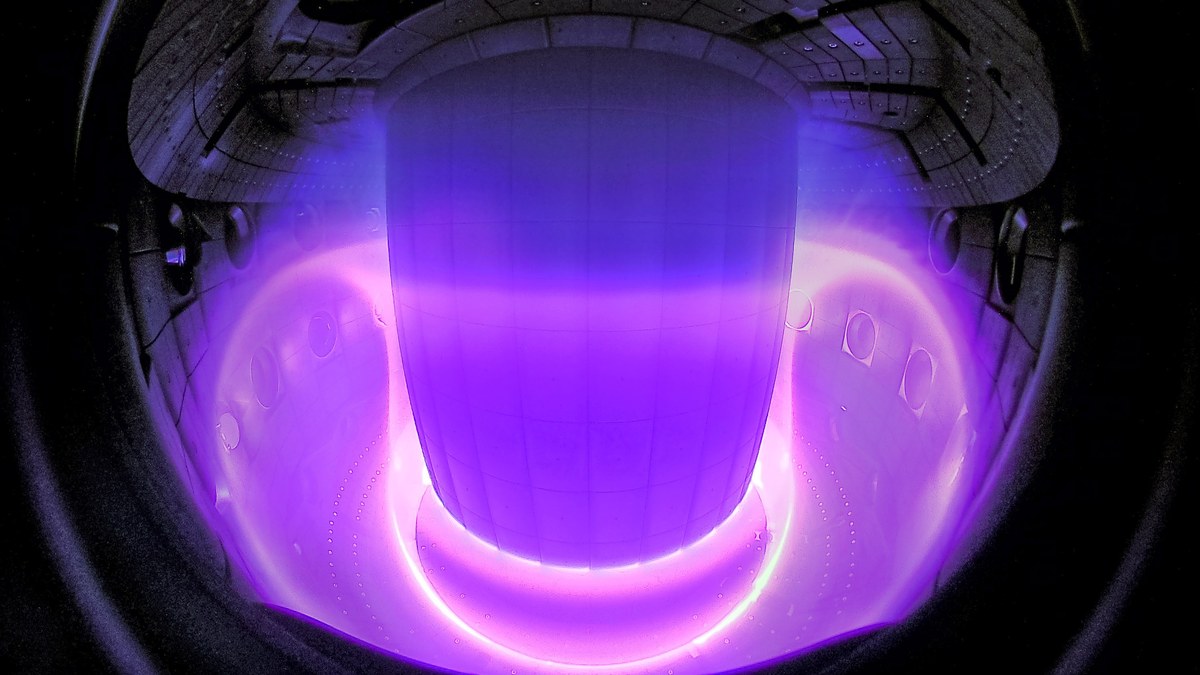
Why it is so difficult to tame the Sun
If fusion is so promising, why don’t we use it yet? Because taming it is extremely difficult. For atoms to fuse, it is necessary to recreate the extreme conditions of the interior of stars, with temperatures of millions of degrees and absurd pressures. Keeping this superheated plasma controlled, without it touching and melting the walls of the reactor, is one of the greatest challenges of engineering and physics ever faced.
Machines like the Z Machine in the United States tackle this problem by firing colossal pulses of energy to compress the fuel and trigger fusion. Other reactors use powerful magnetic fields to hold the scorching plasma in the air, without letting it touch anything. Each approach has its advances and obstacles, and progress is slow, made of small victories hard-won in laboratories around the world.
There is a milestone that all these laboratories pursue, called the breakeven point. It occurs when a fusion reaction finally generates more energy than was spent to provoke it. It may seem obvious, but for decades the machines consumed much more energy than they produced, which made fusion impractical in practice. Recently, some experiments have started to approach or even cross this line under very specific conditions, which has renewed enthusiasm worldwide. Exiting this threshold and reaching a reactor that generates energy continuously and cheaply is still a long way off, but each step in this direction is treated as a historic advance because it shows that the dream of taming the energy of the stars has ceased to be just theory and has begun to turn into real engineering.
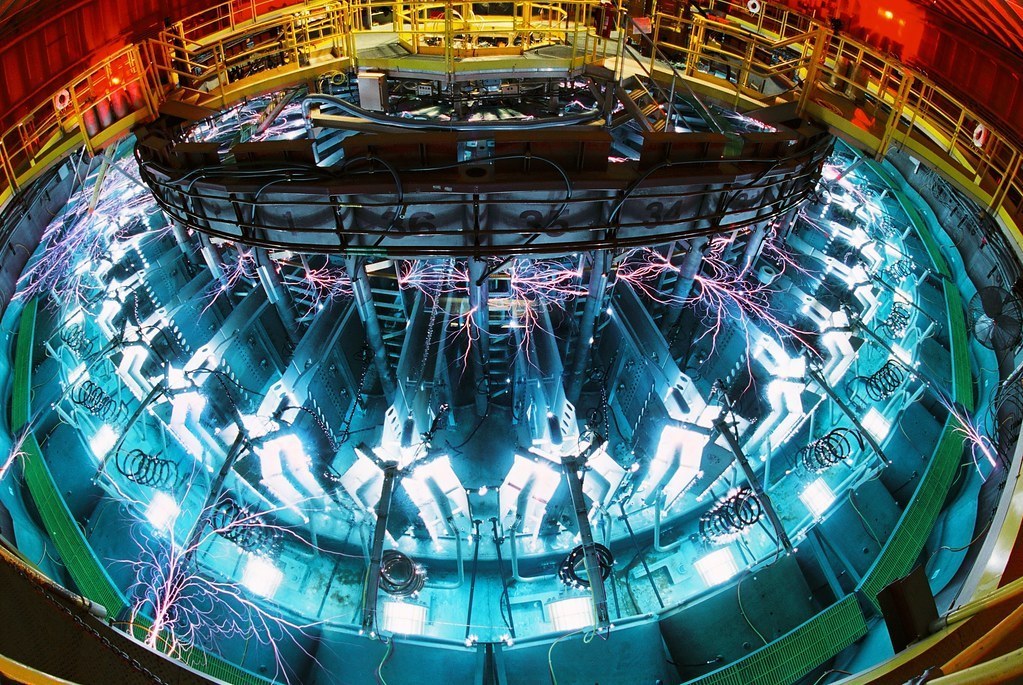
The prize that is worth the patience
Despite the difficulty, the prize is too great for humanity to give up. A clean and practically infinite energy source would once and for all solve the dependence on fossil fuels and help curb climate change. Therefore, governments and companies invest billions in fusion, even knowing that the practical result may still take years or decades to arrive.
Each leap, like those achieved by the Z Machine and other reactors, is celebrated as a step towards this future. Science advances little by little, breaking records of temperature, plasma containment time, and energy generated. There is no guarantee of when fusion will become a practical reality, but the feeling that we are getting closer keeps alive the hope of an energy revolution that would change the lives of everyone on the planet.
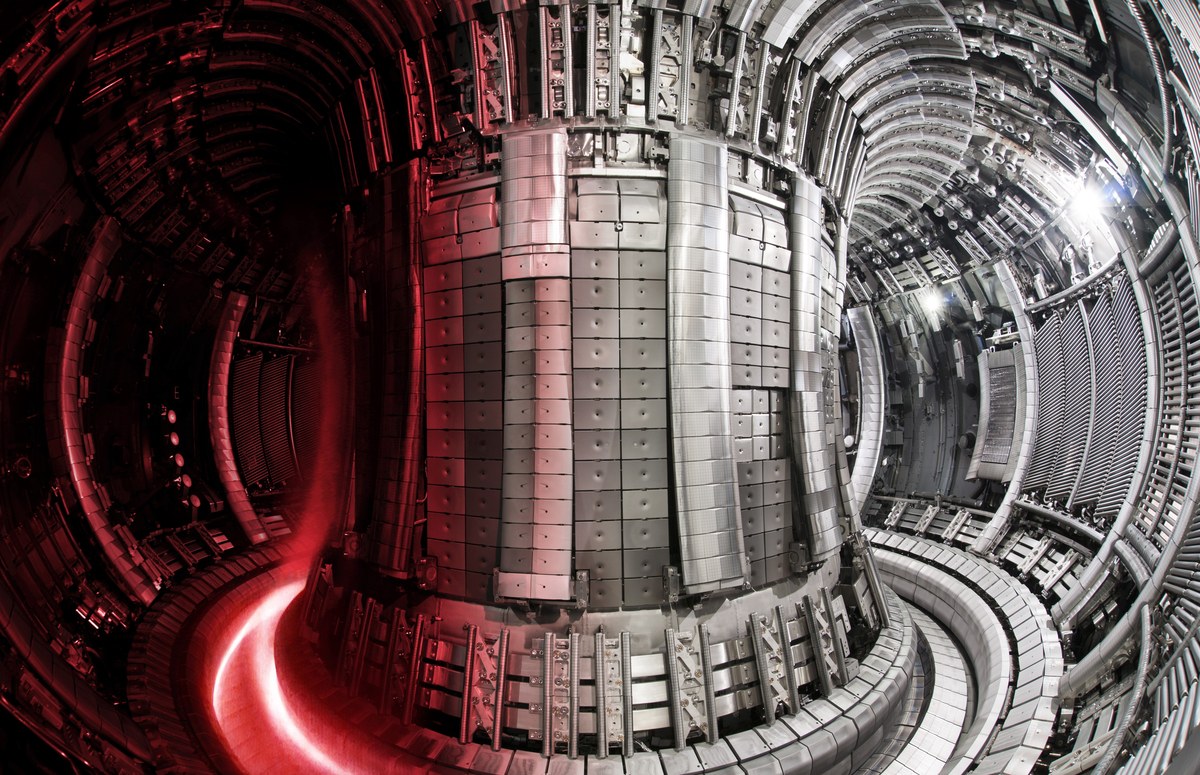
The Sun in a bottle
I imagine the day when humanity finally manages to ignite and control a small star inside a reactor, having in our hands a clean and almost unlimited energy source. It would be one of the greatest achievements in our history, capable of transforming the economy, the environment, and the lives of billions of people at once.
The advances of the Z Machine and fusion reactors show that this dream, as distant as it may seem, continues to be pursued with passion and patience. Taming the energy of the stars is the kind of challenge that defines entire generations of scientists. And, with each leap, the promise of putting the Sun in a bottle and lighting up the future with energy that never runs out, capable of forever changing humanity’s relationship with the planet, gets a little closer.
Do you believe that humanity will finally be able to master the energy of the stars and have infinite energy?