Portuguese
  Spanish


Givaudan leads an invisible sector where a handful of companies define the taste of your soda, the smell of your soap, and the perfume you wear, without ever appearing on the label
There is a company whose work enters your mouth and nose several times a day, yet you have never seen its name anywhere. The largest flavor and fragrance company in the world is called Givaudan, it’s Swiss, and it designs in the laboratory the taste and smell of a huge part of everything humanity consumes.
According to Givaudan, the group earned about 7.4 billion Swiss francs in 2024, employs more than 17,500 people, and operates in 167 locations worldwide, including 77 factories. It creates the aromas and flavors of foods, beverages, perfumes, and cleaning products that pass through your life every day, almost always without anyone suspecting where they came from.
How the largest flavor and fragrance company became invisible
Invisibility is not an accident, it’s a business model. A soda brand does not want to print on the label that the flavor was ordered from an external supplier; a designer perfume does not confess that the formula came from a Swiss house. That’s why the Swiss company works behind the scenes, under confidentiality agreements, creating behind the scenes what big brands sell as if it were theirs.
-
400 km² of Greenhouses in Almería, Spain, Astonish American Visitor by Producing Millions of Tons of Produce for Cold-Weather Markets

-
Antarctic Volcano Emits Microscopic Gold Particles That Travel Up to 1,000 Kilometers Across the Continent
-
Little-known Japanese factory is the world’s largest zipper manufacturer, producing 7 billion pieces annually and closing half the world’s pants.

-
Brazilian Factory Recycles One-Third of the Country’s Styrofoam Waste, Matching European Levels with 51,000 Tons Reused Since 2007


The result is a delightful paradox: one of the most influential companies in global consumption is also one of the most unknown. While the public memorizes logos of beverages and cosmetics, the one who actually designs the sensory experience of these products is a company that no one applauds. It is this anonymity that gives it a power that is difficult to measure.
A perfume house that became a global giant
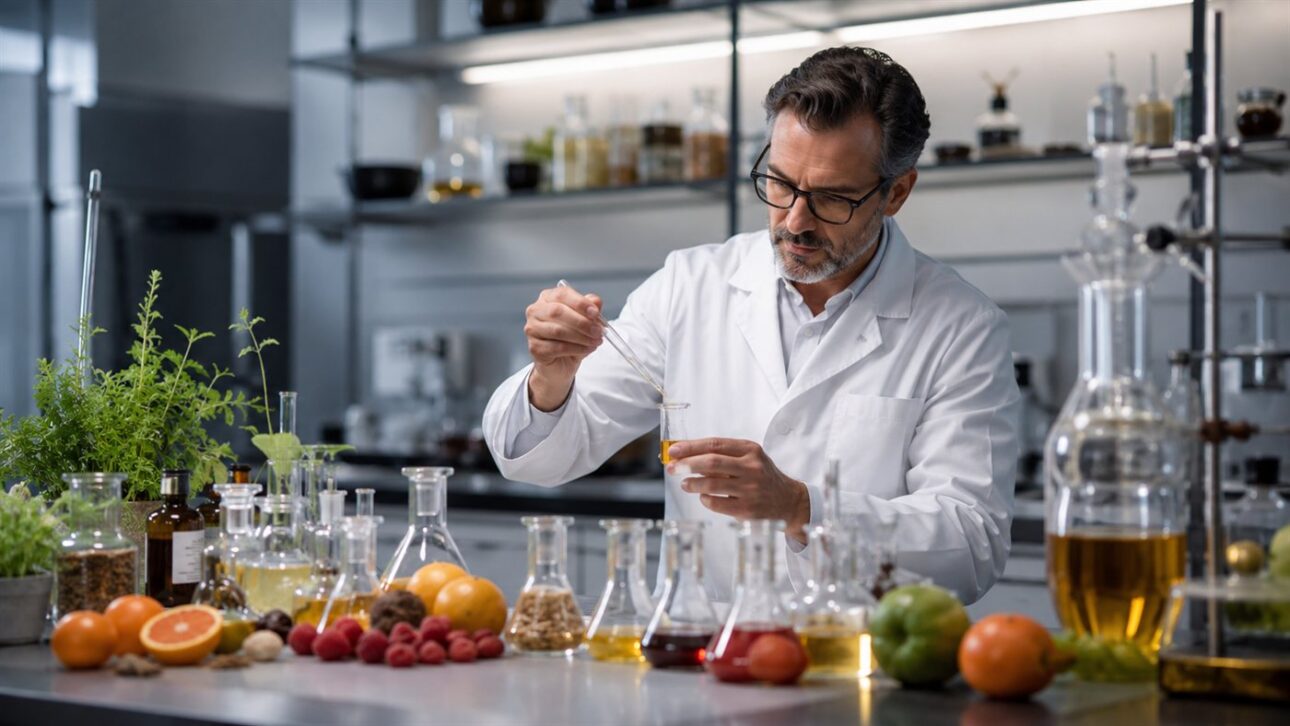
It all started with two brothers. Léon and Xavier Givaudan opened a perfumery house in Switzerland in 1895, at a time when fragrance was still a luxury craft. The company, decade after decade, bought competitors and expanded from perfume to the world of food flavors, until it became the industry leader.
The headquarters is now in Vernier, near Geneva, but the operation is global. The company describes itself as a global leader in the sector, with 167 locations spread across various continents and laboratories that function like kitchens and high-tech perfumeries. What was once a perfume workshop turned into a multinational company that earns more than many countries collect.
The flavor of your soda was designed in a Swiss laboratory
Stop to think about the flavor of a guarana soda, a snack, a strawberry yogurt, or a mint candy. Much of these tastes do not come from the fruit or the original ingredient, but from compounds created by flavor scientists, the so-called flavorists, who reproduce and intensify sensations in the laboratory.
The Swiss company is one of the largest suppliers of this type of solution. When a food industry wants to launch a product that “explodes in the mouth,” they turn to companies like this to design the formula. The taste that seems natural is often a project of sensory engineering, adjusted molecule by molecule to please the human palate and win the competition on the shelf. No wonder this fragrance industry works almost hidden from the consumer.
The “noses”: the perfumers worth gold
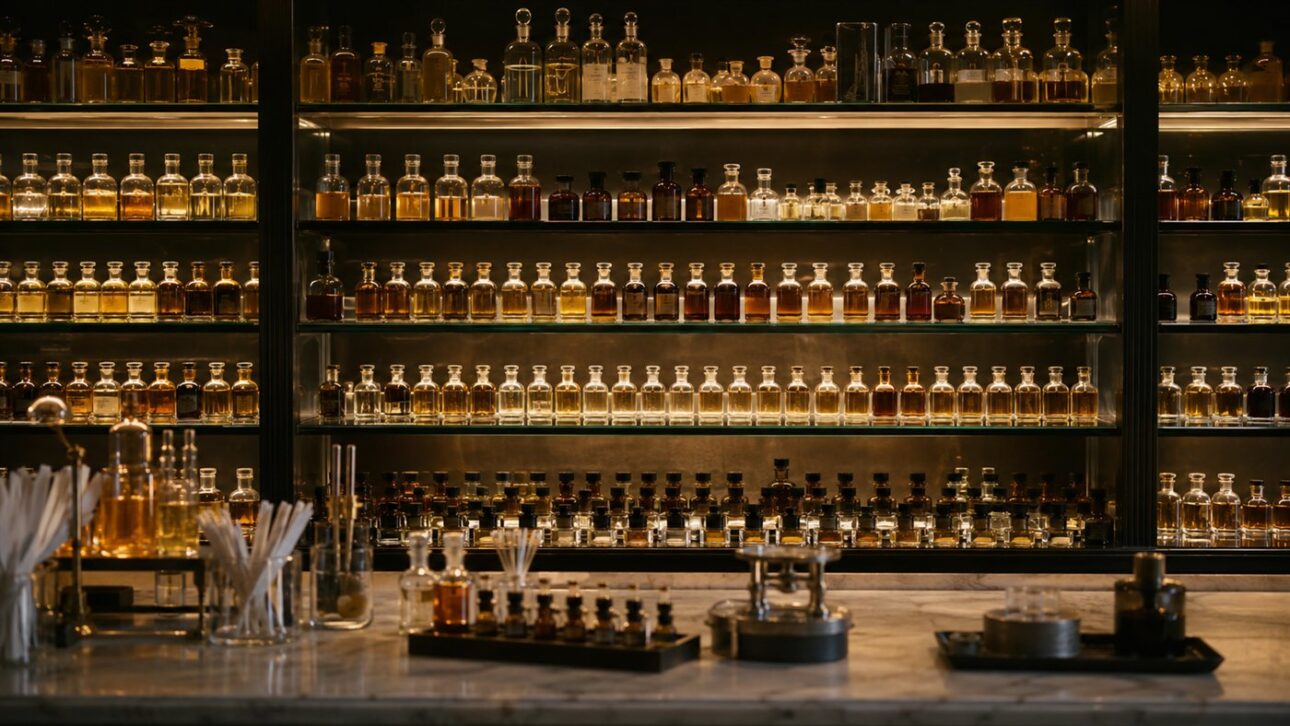
On the fragrance side, the work depends on rare people. Elite perfumers, nicknamed “noses,” spend more than a decade in training and can distinguish and memorize thousands of olfactory raw materials. There are few of these people worldwide, and the best are sought after like stars.
These professionals assemble, drop by drop, the perfumes that later gain expensive bottles from major brands. The company invests fortunes to train and retain its perfumers because a single talented nose can create a success that sells for decades. It is proof that, even in a billion-dollar industry, human creativity remains the most valuable input in the manufacturing of aromas and flavors.
Few companies decide the smell of the world
The detail that makes this story almost unbelievable is the concentration of the sector. According to swissinfo, the company is the largest manufacturer of perfumes and flavors in the world and holds about 16% of a global market that moves billions of dollars. The rest is held by a tiny group of multinationals almost unknown to the public, such as Firmenich, IFF, Symrise, and Quest.
This means that the scent of your soap, the taste of your ice cream, and the perfume you gave as a gift may all have come from the hands of very few companies, almost all European. It’s a silent oligopoly over the senses, built away from the spotlight and that practically no consumer notices.
7.4 billion francs and an army of scientists
Behind the glamour of perfumes, there is a heavy industrial and scientific machine. The group moved about 7.4 billion Swiss francs in 2024, according to Givaudan, and employs more than 17,500 people, many of them chemists, biologists, and engineers dedicated to deciphering how the brain perceives taste and smell.
The company invests huge sums in research, including in artificial intelligence capable of suggesting combinations of molecules that a human would take years to test. Aroma and flavor have ceased to be intuitive art and have become data science, with databases that map the preference of each market. Whoever masters this knowledge ultimately masters the world’s appetite.
Givaudan is also in Brazil
The reach of the Swiss giant reaches the Brazilian consumer directly. The company maintains operations in the country focused on both fragrances and flavors intended for the enormous national food, beverage, and cosmetics industry. Much of what fills the shelves of Brazilian supermarkets is, in some way, supplied by companies of this size.
The company also invests in natural ingredients from local biodiversity, one of the country’s most valuable assets for this sector. Brazil, with its variety of fruits and plants, is a full plate for a company that lives to translate nature into formula. Thus, even without appearing on the label, Givaudan is part of the breakfast of millions of Brazilians.
Why the most secretive industry in consumption matters
The story of Givaudan stirs an uncomfortable idea: much of what we consider “natural” or “artisanal” was actually designed to please us. The taste of childhood, the scent that brings back memories, the flavor that makes you buy again, all of this may have been calculated by scientists thousands of kilometers away.
It’s not necessarily bad, but it reveals how modern consumption works behind the scenes. Next time a scent catches you in the market, it’s worth remembering that it might have an author, and that this author is almost always invisible. Have you ever stopped to think about who designs the taste and smell of what you consume every day?