Portuguese
  Spanish


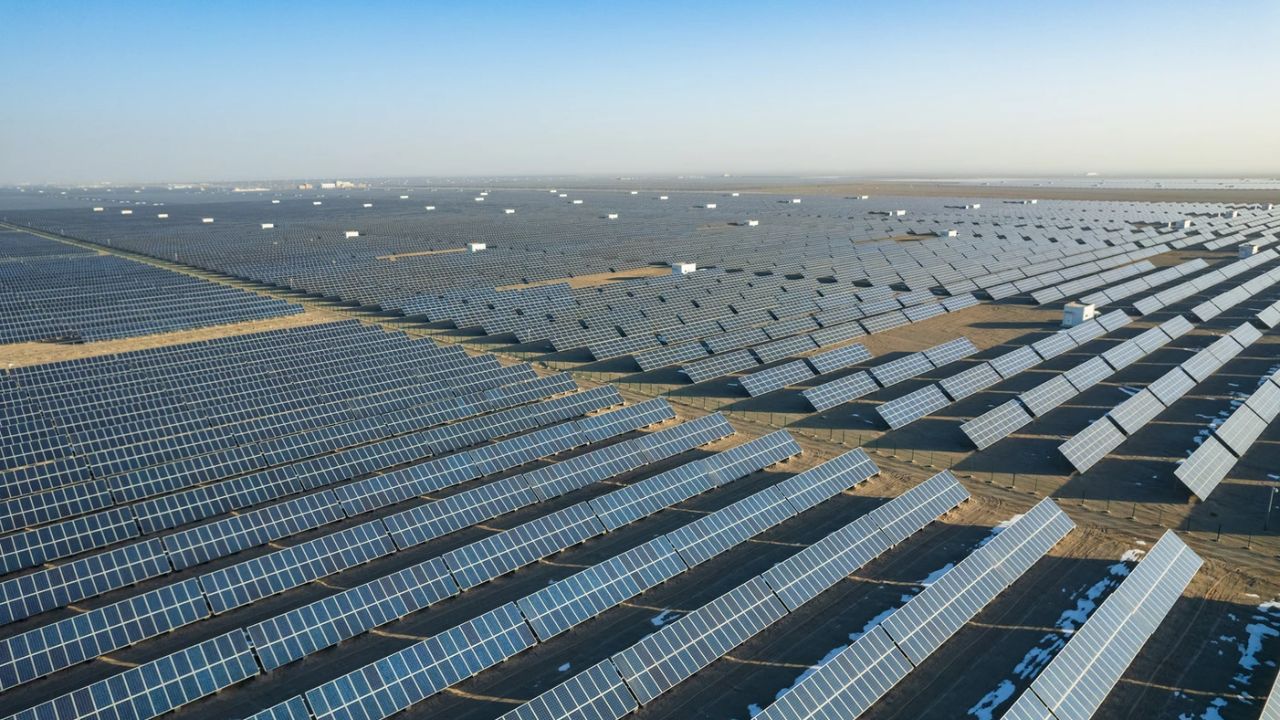

Thopen Bets on the Potential of the Northeast and Foresees Reaching 13 Solar Plants by 2026, with Direct Impact on Job Creation and Clean Energy Supply.
Thopen, the largest integrated platform for electricity generation and management focused on opening the free market, inaugurated three new solar plants in Rio Grande do Norte on Thursday (17). The ceremony, held in the municipality of Santa Cruz, marked the start of the company’s operations in the state and was attended by local authorities, business leaders, and energy sector representatives.
Rio Grande do Norte Becomes a Priority in Thopen’s Plans
The new plants, located in the municipalities of Santa Cruz, Parelhas, and Senador Elói de Souza, have a total installed capacity of 6.44 MWp.
This volume is enough to supply, on average, more than 8,000 households, with 100% renewable energy generation.
-
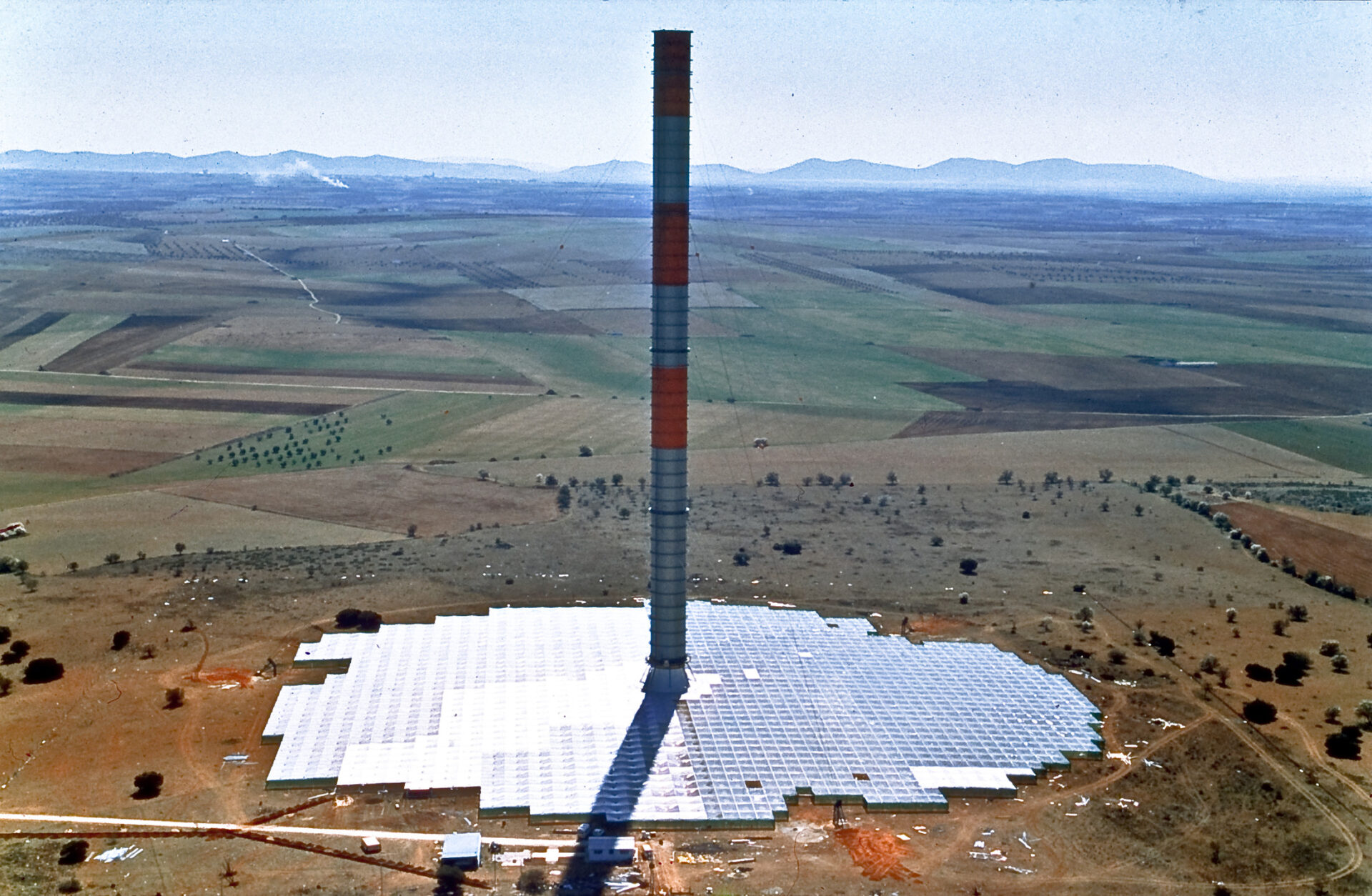
Solar Chimney in Spain Harnessed Sun to Generate Electricity for 7 Years Without Burning Fuel

-
Solar energy reaches 55 GW, becoming the second largest power source in Brazil’s energy mix

-
Solar energy can increase property value by up to 10% and become a selling point.
-
Solar and wind energy surpass natural gas for the first time in the world and accelerate energy revolution




The initial investment was approximately R$ 32 million, and Thopen’s goal is even more ambitious: to reach 13 solar plants in the state by 2026, totaling R$ 107 million in investments and generating up to a thousand direct and indirect jobs.
The choice of the Potiguar territory was not by chance. The region offers ideal conditions for solar energy production, such as high solar incidence and available land.
With this, the state has become a key player in Thopen’s expansion strategy, which aims to increase its local installed capacity by 239%, rising from the current 6.44 MWp to 21.87 MWp next year.
“These inaugurations represent a significant victory for Thopen in Rio Grande do Norte and are the starting point for the broad portfolio of renewable energy we envision for the region,” said Gustavo Ribeiro, CEO of Thopen and Pontal Energy.
Thopen Model Facilitates Access to Solar Energy for Businesses and Consumers
With an innovative proposal, Thopen operates under a distributed generation model. This means that companies of any size and individuals with electricity bills over R$ 300 can utilize the energy generated by the company’s solar plants without needing to install panels or invest in their own infrastructure.
The savings for consumers can reach 10% on electricity bills, with the added benefit of contributing to a more sustainable system.
The company already serves more than 250,000 consumer units across various states in Brazil, including businesses, industries, and service providers.
Acquisition of Portfolio Strengthens National Presence in Renewable Energy
Thopen also expanded its operations in the sector by acquiring, in June, a portfolio of 52 solar plants developed by Vip Air.
The deal, valued at R$ 750 million, added 200 MWp to the company’s capacity and included assets in the states of Bahia, Pernambuco, Ceará, and Rio Grande do Norte.
The newly inaugurated plant in Santa Cruz is the first of this set to begin operations. With the new structure, Thopen estimates it will be able to supply more than 64,000 commercial establishments in the Northeast, consolidating its presence in one of the country’s most promising regions for solar energy.
Thopen aims to democratize access to clean and low-cost energy, becoming a key player in the energy transition in the country.
The arrival in Rio Grande do Norte reinforces this commitment, focusing on sustainability, innovation, and a positive impact on local communities.