Portuguese
  Spanish


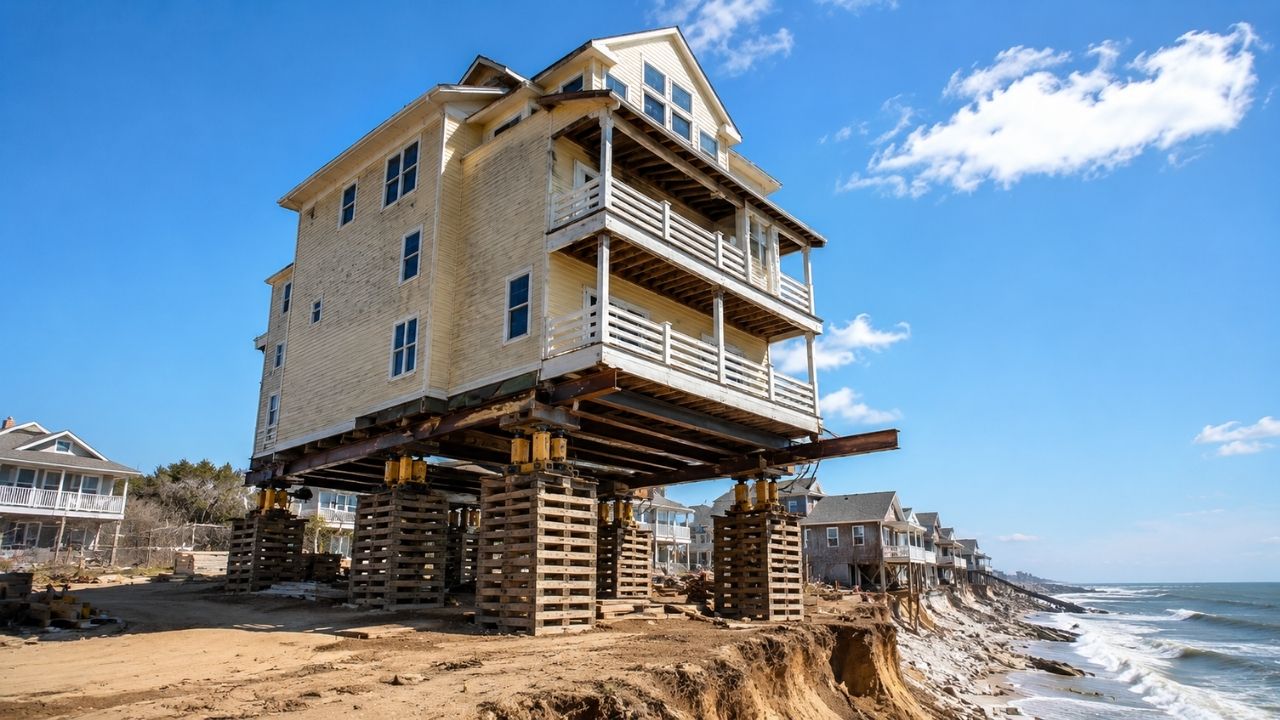


A house of 128 thousand kg was removed from the North Carolina coast after sea advance threatened the property. Erosion has already destroyed 20 properties on the local coastline, while Brazil appears on alert for extensive beaches and coastal populations cited in a UN report on global oceans.
A three-story house, weighing about 128 thousand kg, had to be removed from the North Carolina coast, in the United States, before being swallowed by the advancing sea. The case was shown in a video published on 06/12/2026 and occurred in a region marked by erosion, while Brazil also appears on alert due to its extensive coastline.
According to a video published by the channel Fala Brasil, the operation was carried out amid the accelerated advance of the ocean over that stretch of coastline, where 20 houses have already collapsed since last year, according to the source. The case reignites a global alert about coastal erosion, rising sea levels, and impacts on countries with extensive coastal areas, such as Brazil.
House was lifted before being moved away from the waves
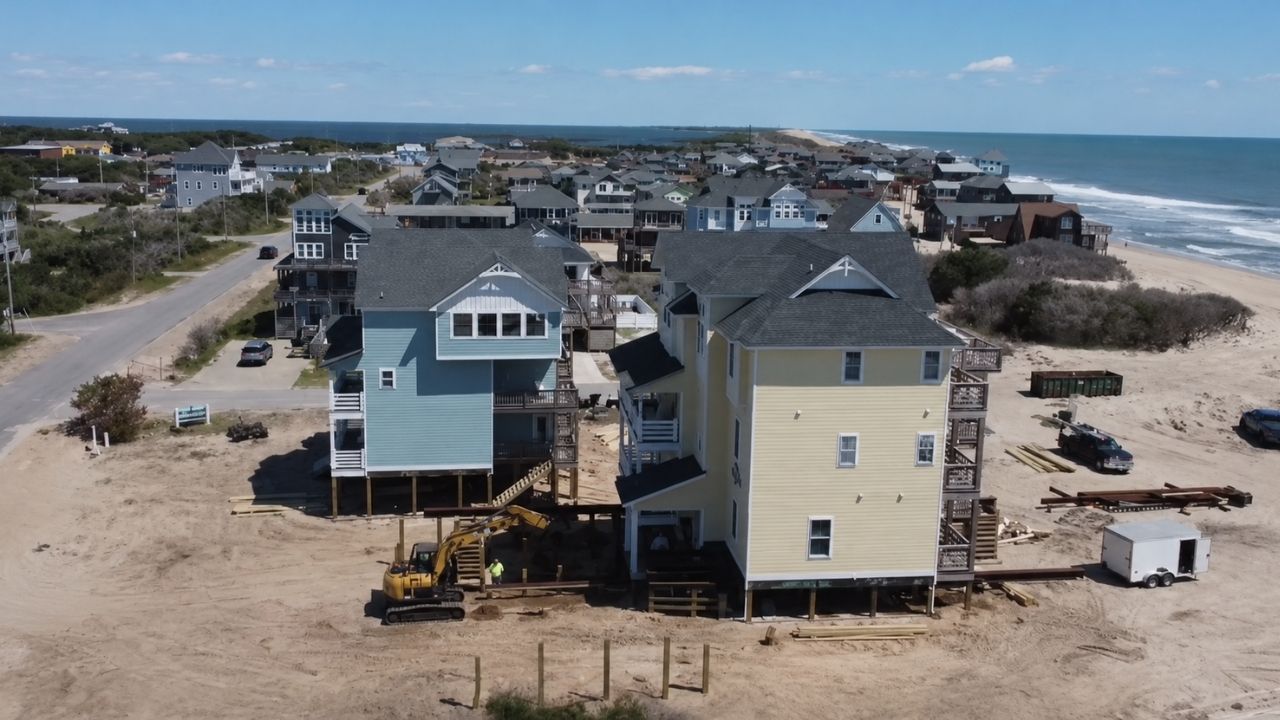
The removal of the house required an unusual operation. The three-story property was lifted with hydraulic jacks and then pulled to a plot considered safer, away from the area where the waves were already threatening the structure.
-
Wave Rock: Australia’s Giant Granite Wave Stands 15 Meters Tall, Spans 110 Meters, and Showcases 2.7 Billion Years of Erosion in the Australian Desert

-
How to Unclog Showerhead Holes Blocked by Limescale and Hard Water Without Replacing or Hiring a Technician

-
Award-Winning Korean Electric Scooter Concept Folds to Briefcase Size, Eases Transport Challenges

-
YouTuber Discovers Surreal Collection in 400-Year-Old Italian Fortress Near Florence: 419 Anvils, Giant Walruses, Ancient Church, and WWII Tunnels


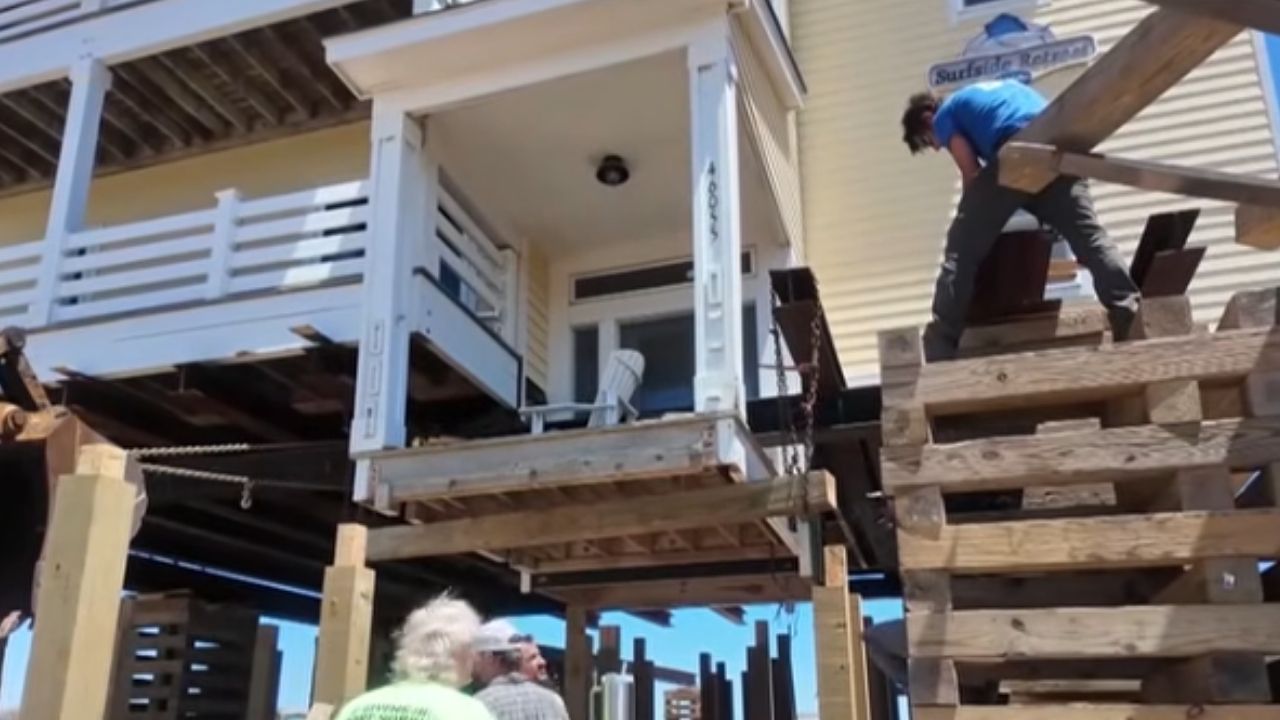
The work requires precision because it is not about dismantling the construction, but moving the entire property. Any mistake in lifting, balancing, or moving could compromise the structure and turn the rescue attempt into a total loss.
North Carolina coast faces accelerated erosion
The region mentioned in the source is in North Carolina, United States, where the ocean’s advancement has pressured properties built near the sand strip. Since last year, 20 houses have already collapsed in this stretch of the coast due to erosion.
This number helps explain why the owner decided to act before the house was destroyed. Instead of waiting for the collapse, the alternative was to remove the entire construction, an expensive, complex solution that is increasingly discussed in areas threatened by the sea.
Hydraulic jacks become a tool against sea advancement
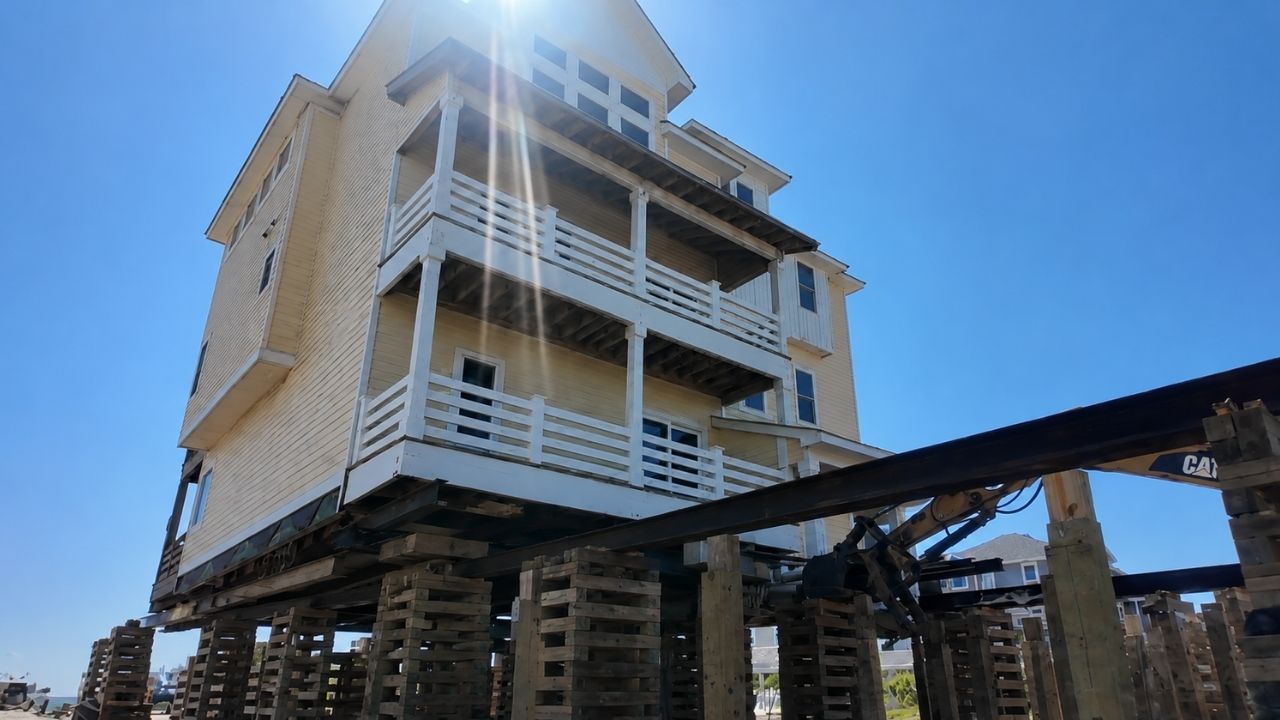
The hydraulic jacks were used to lift the 128,000 kg structure. This type of equipment allows lifting large weights in a controlled manner, creating space for the construction to be prepared for relocation.
The operation shows how engineering has become an attempt to buy time against coastal erosion. In regions where the ocean advances, moving a house can be the last resort before the property is lost to the waves.
The problem goes beyond an isolated property
Although the image of a house being removed from the seashore draws attention, the case is part of a broader phenomenon. Coastal erosion, rising sea levels, and the occupation of vulnerable areas create increasing risks for residents and properties.
When properties start to fall into the ocean, the impact is not just individual. There is property loss, environmental risk, threat to public safety, and pressure on local governments, which have to deal with unstable beaches, debris, closures, and relocation of residents.
UN report expands the global alert
The source cites a report from the United Nations on the impacts of the oceans on coastal populations. According to the material, the rise in sea level has accelerated, increasing from 3.2 mm to 4.3 mm per year, an increase of about 50% in the last four years.
The document also compiles studies from 86 countries and took four years to complete. The central message is that the oceans are under pressure and coastal populations need to prepare for faster and more difficult changes to contain.
Brazil appears as a vulnerable country
Brazil is mentioned in the study as one of the countries that deserve attention. The reason is simple: the country has more than 8,000 km of beaches and a large part of Brazilian states is bordered by the Atlantic Ocean.
This scenario makes the Brazilian coast especially sensitive to changes in sea level. What happens to a threatened house in North Carolina is not a distant problem when Brazilian cities also grow near the water, dunes, mangroves, restinga, and occupied coastal strips.
Antarctic melting weighs on Brazilian risk
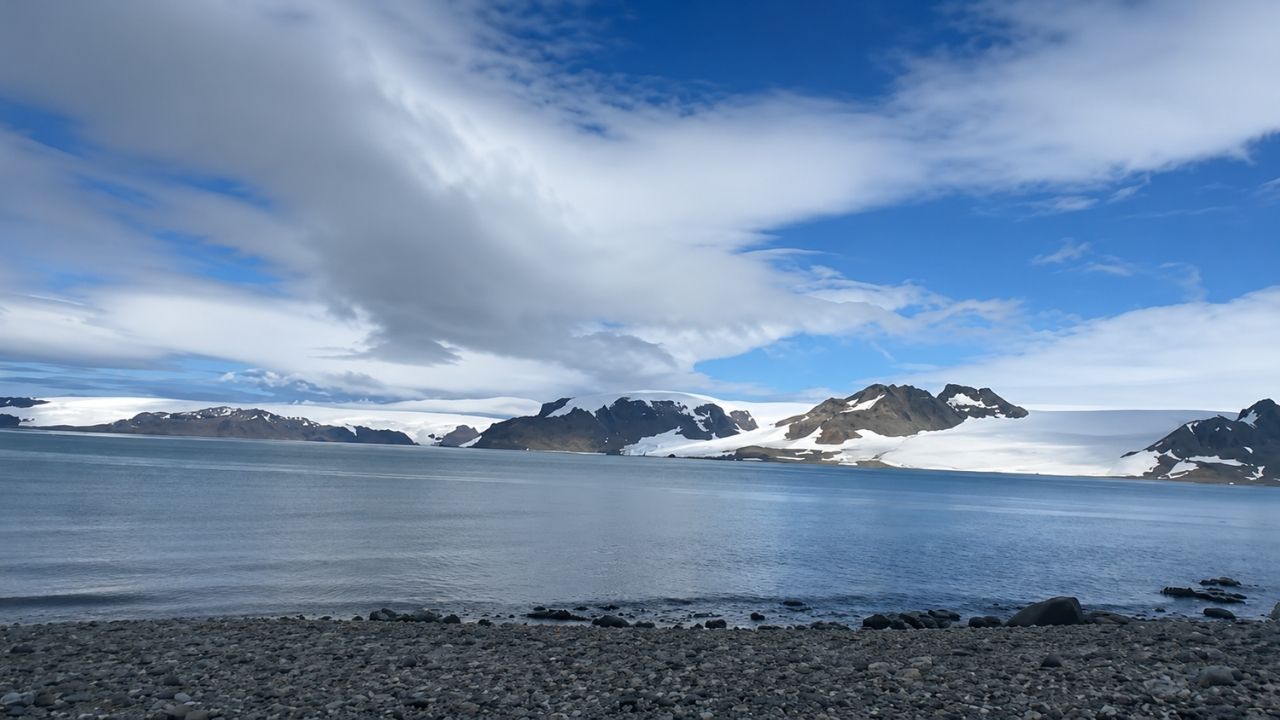
According to the source, Antarctic melting is identified in the study as the phenomenon that most affects Brazil. This reinforces how events that seem distant can directly influence the dynamics of the Brazilian coast.
The advance of the sea does not depend only on local tides. It involves global warming, ice melting, thermal expansion of the oceans, and climate changes that accumulate over time. Therefore, coastal risk cannot be treated only as a problem of beach neighborhoods.
Pollution and loss of oxygen also concern
The report cited in the source also addresses marine pollution. The decomposition of plastic into micropieces is threatening almost three times more species than in the previous survey, with more than 4,000 animals impacted by waste.
Another worrying point is the reduction of oxygen in the water. This process can compromise marine environments and affect ecosystems that support billions of people. The coastal crisis, therefore, does not only involve threatened properties but also food, climate, biodiversity, and economy.
Sea advance changes the relationship with the coast


For decades, living near the sea was seen as synonymous with appreciation, leisure, and quality of life. But cases like the house removed in the United States show that proximity to the beach can also become a risk.
The real estate appreciation of the coast needs to coexist with an increasingly urgent question: how far is it safe to build? In areas of accelerated erosion, the property may seem privileged today and become vulnerable a few years later.
Alert for Urban Planning in Brazil
For Brazil, the case serves as an alert about urban planning, coastal occupation, and climate adaptation. Coastal cities need to map vulnerable areas, review construction rules, and consider scenarios of sea advancement before the problem becomes irreversible.
Not every coastal region will have the same level of risk, but ignoring the issue can be costly. When a house needs to be lifted by hydraulic jacks to escape the ocean, the message is clear: the line between safety and threat can change faster than many homeowners imagine.
With 20 properties collapsed in the area and a UN alert for countries like Brazil, the question remains: should coastal cities limit new constructions near the beach or invest in containment works to protect existing properties? Leave your opinion in the comments.