





 Portuguese
  English
  Spanish
  3 min of reading


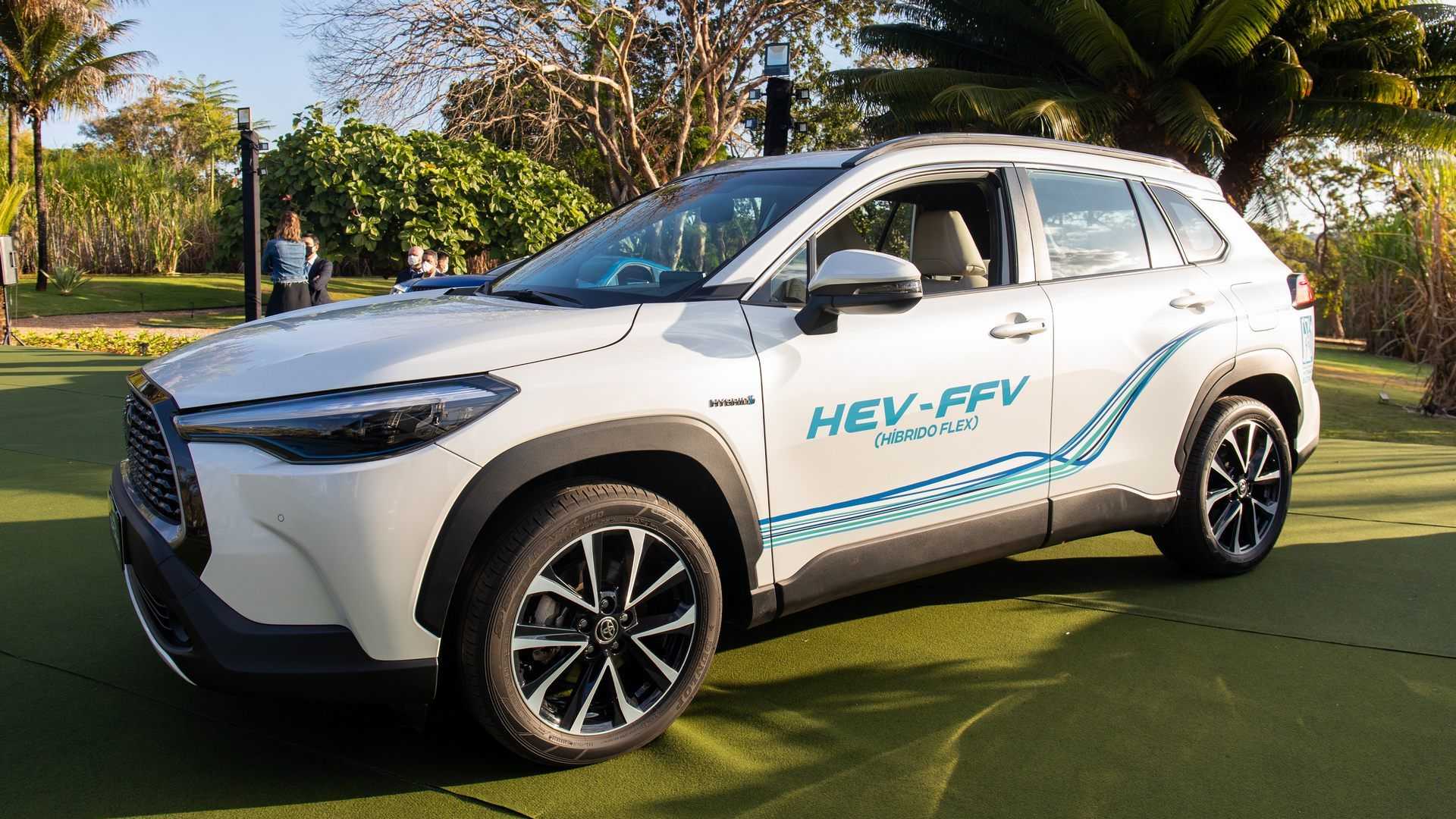
Toyota States That Electric Cars Are Not the Only Solution for Decarbonizing the Automotive Industry and Announces New Hybrid Flex Propulsion Engines.
The Japanese automaker Toyota made history in the automotive industry by being the pioneer in the production of the first hybrid vehicle, the Prius, and also by manufacturing in Brazil the world’s first flex hybrid propulsion vehicles, the Corolla and Corolla Cross. By proposing a discussion about the energy transition, the Japanese automaker presented at the factory in Sorocaba (SP) four propulsion technologies in its vehicle line: flex hybrid, plug-in, fully electric, and fuel cell, with the aim of promoting decarbonization more efficiently, according to each context and the demands of customers.
Toyota Makes It Clear That Electric Cars Are Not the Only Solution
Despite presenting these technologies for decarbonization, Toyota states that it is clear that electric cars are not the only solution for decarbonization and reinforced its bet on flex hybrid propulsion, especially in Brazil and other countries.
However, it claims that it is possible for electric cars, hybrids, and other propulsion technologies to coexist. According to Rafael Chang, president of Toyota Brazil, in the country, carbon neutrality is ethanol. “There is no need to abandon technology or to eliminate combustion engines,” says the director, highlighting that ethanol is a great option to contribute to decarbonization worldwide.
-
T-Cross gets Rock in Rio edition with exclusive details, themed seats, 17-inch wheels, and price maintained by Volkswagen at R$ 142,990.

-
Cheaper than HB20, Onix, and Argo: with a 1.6 flex engine of up to 120 hp, 6-speed automatic transmission, well-known mechanics, and affordable maintenance, this hatch remains among the most sought-after used cars in Brazil: meet the Volkswagen Gol 2022 automatic.

-
New Jeep Scrambler SRT resurfaces with a 6.4 Hemi V8 engine producing 470 hp, rear seats that rotate 180°, a cabin for four occupants, and a removable roof in a project planned for 2030.

-
Cheaper than a Kwid, this Japanese sedan offers a giant 482-liter trunk, a 1.6 flex aspirated engine, automatic CVT transmission, and six airbags; the Nissan Versa Sense is ideal for those who prioritize interior space, comfort, and affordable maintenance costs.


There is a latitude range where it is possible to produce ethanol on a large scale, mainly in Brazil, Africa, and India. In these regions, it may not be smart to abandon the flex hybrid combustion engine.
Automaker States That the Government Must Implement New Incentives

To promote decarbonization, not just with electric cars, Toyota is holding meetings with various sectors such as the press, clients, suppliers, and government to discuss technological decarbonization options in order to find opportunities and the potential they could have in the country.
According to Chang, his goal is to raise awareness and foster a clear transition planning for both the public and private sectors to choose the decarbonization technology routes that Brazil needs to adopt.
The industry will have to boost investments in the local production chain, as these are technologies that require heavy investments in infrastructure and other sectors. This does not happen overnight.
For Toyota Brazil, the federal government must regulate the process by implementing appropriate incentive policies. The Vehicle Emissions Control Program (Proconve), for example, is not aligned with the decarbonization policies of the automotive sector.
Toyota Conducts Tests with Flex Hybrid Propulsion, Hydrogen, and Others
To showcase its extensive knowledge of these technologies, Toyota presented four models at its facility in Sorocaba.
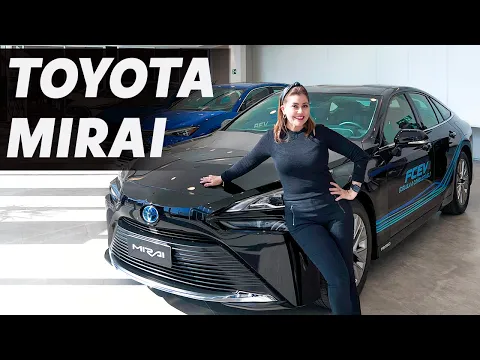
What better way to start than with the Mirai, a luxury electric sedan powered by fuel cells, a type of electrochemical generator that extracts electrical energy from hydrogen, emitting only water vapor in the process. The Mirai, which is fully powered by a powerful electric motor, was tested. Filling the vehicle’s tank with hydrogen is comparable to refueling a combustion car.
The range is similar or even better, reaching 600 kilometers. In the U.S., with subsidies from the state of California, the entry-level version is priced at US$ 55,000, equivalent to more luxurious models on the market. Additionally, the company also drove the compact luxury SUV Lexus UX 300e, which is a luxury BEV, with sporty performance, a range of up to 300 km, and equipped with 54 kWh lithium batteries.






Be the first to react!