Portuguese
  Spanish


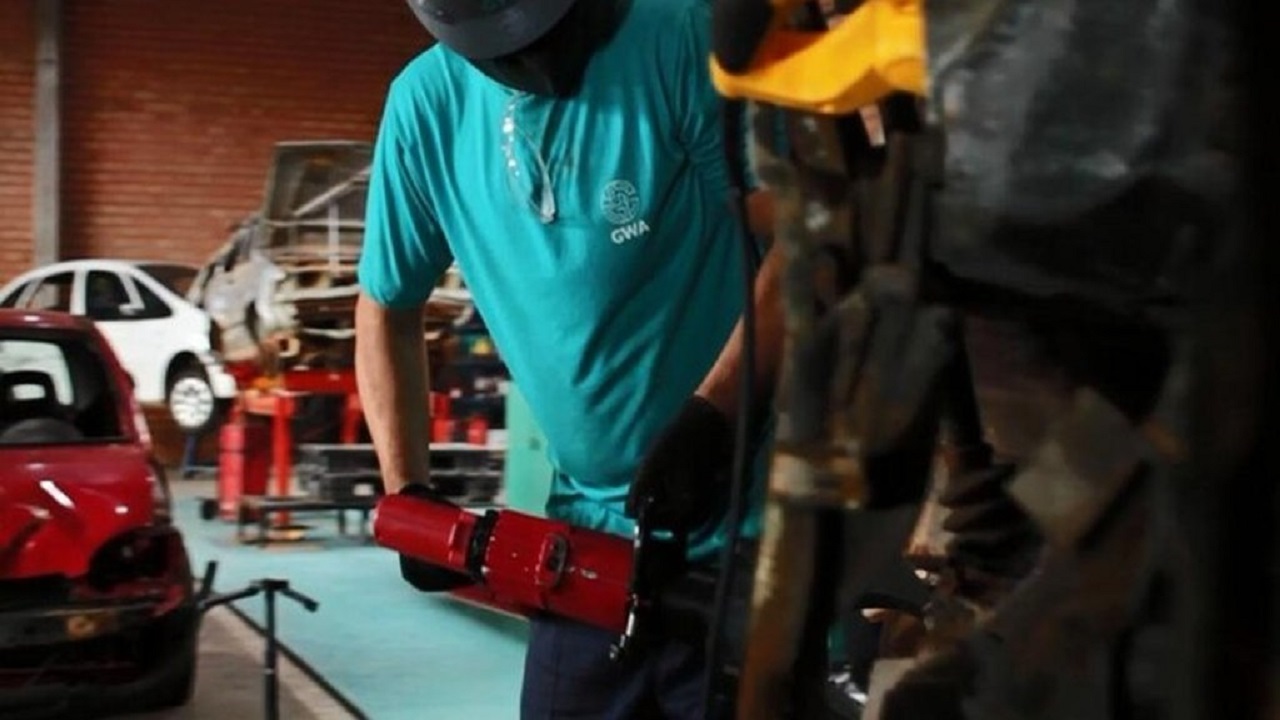

Thinking About Sustainability And Considering The Large Numbers Of Cars That Are Abandoned In Big Cities, Toyota Closed A Partnership With The Startup GWA To Recycle Vehicles In Brazil
Noticing the quantity of dozens, and even hundreds of kilos of precious materials that modern vehicles possess, such as platinum, aluminum, and even gold, Toyota announced a partnership with the startup from Rio Grande do Sul, GWA, to expand car recycling in Brazil, which is still in its infancy in this sector.
Read Also
Toyota Foundation And Startup GWA Issue Statements About The New Partnership
According To The President Of The Toyota Foundation And Director Of Communication For The Automaker, Viviane Mansi, In Japan, Consumers Pay A Fee At Purchase For Their Vehicles To Be Recycled, Making The Ideal Destination For Cars At The End Of Their Lifespan A Concern From The Start.
Japan Is On The List Of Countries Capable Of Recycling Up To 95% Of A Car, Leaving Brazil Behind Which Struggles To Exceed 70%. One Of The Biggest Obstacles To Vehicle Recycling Is Technological Limitation, Says Wladi Souza, Commercial Director Of The Startup GWA.
-
2027 Toyota Corolla Cross Unveiled: New Design, Enhanced Fuel Efficiency, Reduced Maintenance Costs, Advanced Technology, Connected Services, and Up to 10-Year Warranty

-
Fiat Cronos Precision 2018: Affordable Sedan with Spacious Trunk and Reliable Maintenance
-
Volkswagen to Cut Production by 1 Million Cars by 2030, Reducing Jobs and Platforms, Focusing on More Profitable Models

-
Toyota Launches First 100% Electric Car in Brazil: bZ4X with 343 HP, All-Wheel Drive, 361 km Range, Priced at $419,990 BRL, Limited to 99 Units



According To Him, The Company Is Working Alongside Suppliers And Partners To Maximize The Utilization Of Everything From Cars, But There Are Not Always Qualified Equipment And Professionals On Site To Achieve Such Objectives. This Makes The Partnership With Toyota Of Utmost Importance.
Understand How The Partnership For Vehicle Recycling In Brazil Will Function
Toyota Will Provide Manuals For Proper Dismantling Of Its Vehicles And Also Promises To Share Crucial Information For The Startup From Rio Grande do Sul. Although They Are Partners, GWA, Based In Gravataí (RS), Aims To Recycle Vehicles Of Any Brand. Souza Emphasizes That The Project Becomes Economically Viable Through The Sale Of Materials.
“Modern Vehicles Can Have Approximately 200 Kg Of Aluminum,” Says The Executive. For Now, The Startup GWA Estimates Dismantling About 150 Cars Per Month Throughout This Year, But The Plans Are Even Bigger. With The Inauguration Of New Units In São Paulo And Curitiba, The Company Plans To Recycle 12,000 Vehicles Per Year, Or An Average Of 1,000 Vehicles Per Month.
Know Where The Cars That Will Be Recycled Will Come From
Initially, The Cars That Will Be Dismantled Will Come From Traffic Authorities, Such As DETRANs And CETs, Which Are Filling Their Yards More And More With Cars In Illegal Situations Or That Can No Longer Operate. Souza Asserts That Many Of These Locations Lack Proper Infrastructure To Receive The Cars And Could Endanger The Environment.
One Of The Reasons They Choose These Vehicles Is Bureaucracy, Considering That Despite Being Legalized, The Dismantling Of Cars In Brazil Requires That The Vehicles Be Removed From Records With The Authorities, A Process Known As “Deregistering.” This Process Prevents The License Plate And Chassis Numbers Of The Vehicles From Being Used Illegally, But It Can Cost More Than The Value Of The Car Itself, Resulting In Abandoned Shells In Large Cities.