Portuguese
  Spanish


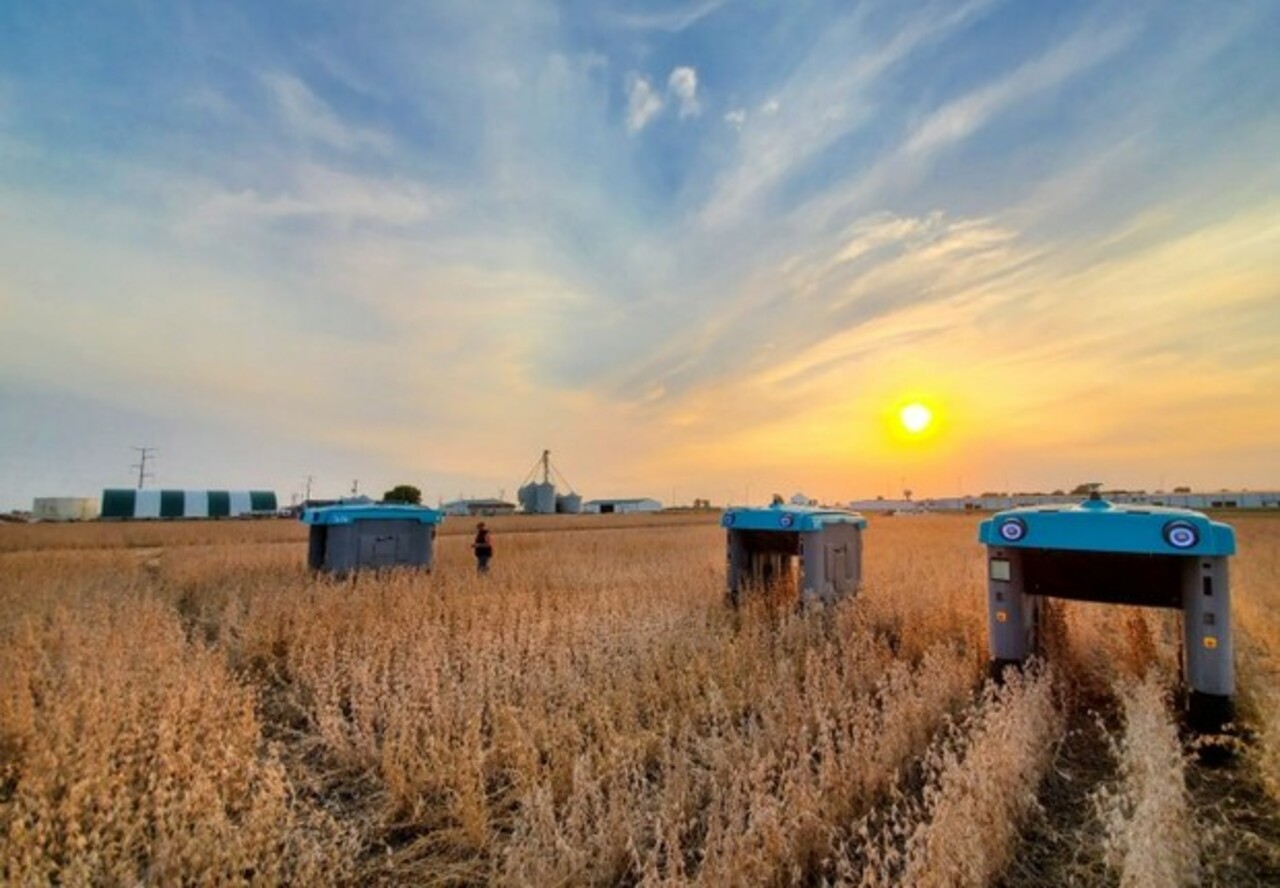

Created From Recycled Materials and Powered Entirely by Solar Energy, the Robot Named “Vespertílio 01” Promises to Assist in the Agriculture Sector.
At the Edson Queiroz Professional Education School, in the city of Cascavel, Ceará, first-year high school students developed a robot made from entirely recyclable materials, such as motorcycle scrap and other automobiles, and powered entirely by solar energy. The robot, already named “Vespertílio 01,” is a seed planting robot designed to assist in small-scale farming, helping producers with land tillage and planting.
Read Also
Students Developed Solar-Powered Robot for Low-Income Farmers
Initially, in Brazil, there is no agricultural robot due to the expensive machinery; the students developed the fully sustainable robot to provide farmers with easy access. The name given to the robot that will assist in agriculture, powered entirely by solar energy, “Vespertílio,” comes from Latin, meaning bat, which is one of the main animals responsible for sowing the land.
VIDEO – Vespertilio 01, the Solar-Powered Robot
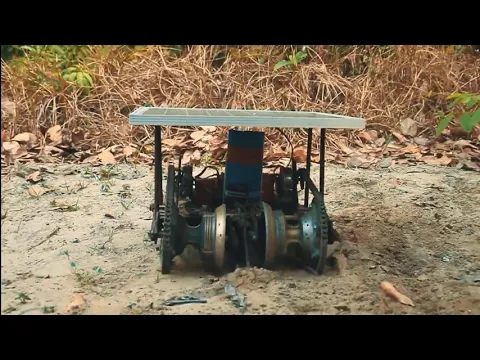

Student Ud Madeiro Pereira, along with two classmates, Jamilly Félix Lima and Anna Beatriz Santos Fonseca, came together to develop the mechanized seed planter robot to assist in agriculture, which not only saves the farmer’s effort but also increases their production at an affordable cost. The system allows users to define the quantity of seeds to be planted and the distance between them. Due to the student living far from urban areas and closely observing the challenges faced by rural workers in finding machinery due to high prices, they decided to develop this solar-powered robot.
-
Engie Secures 10-Year Use of 625 MWh in Batteries to Store Excess Solar and Wind Energy in Spain by 2028

-
Giant Batteries Take Center Stage in Chile Auction as Company Offers 960 GWh of Solar Energy for Nighttime Use, Aiming to Stabilize Solar Power Supply
-
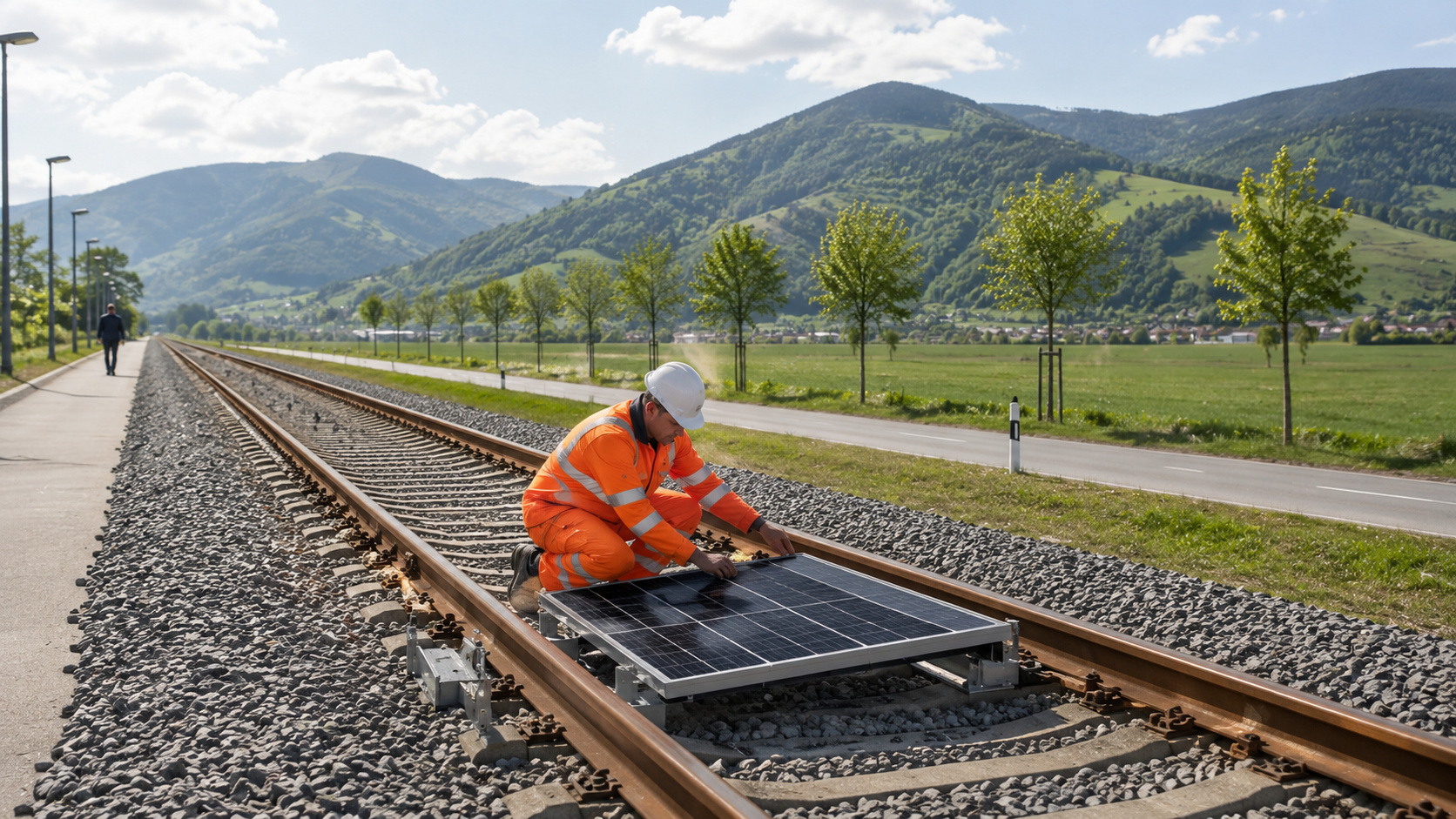
After a Year of Success in Switzerland, Solar Railway Attracts Italy’s Interest for Clean Energy Transformation
-
Robots Clean Solar Panels in Desert Power Plants Without Water, Preventing Energy Losses


Samsung Program Awards Solar-Powered Robot Agriculture Project
The project was recognized as the national grand winner of the 7th edition of the Answers for Tomorrow Award, which is a global Samsung program that challenges students and teachers from public schools across Brazil to develop solutions for local problems through scientific and/or technological experimentation using the STEM approach.