






 Portuguese
  Spanish


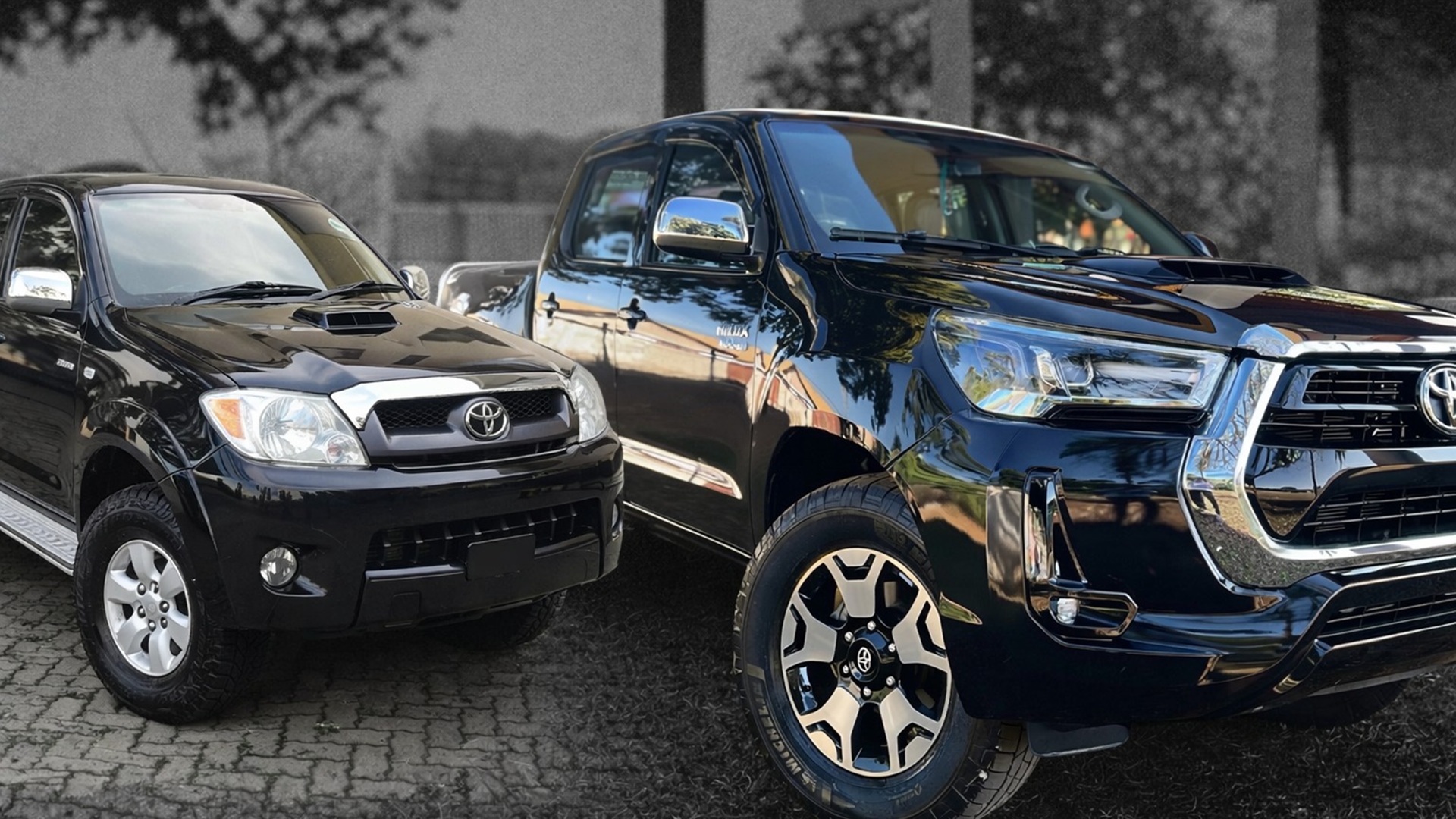


With values between 100 thousand reais and 120 thousand reais, Hilux 3.0 owners opt to keep old models, invest around 50 thousand reais in visual restyling, and avoid buying the new version, which can exceed 350 thousand reais and requires attention to Detran rules
The interest in Toyota Hilux older models with a 3.0 engine is growing in Brazil, with owners choosing to keep vehicles valued between 100 thousand reais and 120 thousand reais and invest in restyling, instead of acquiring new units that can exceed 350 thousand reais, considering costs and legal requirements.
Preference for Old Models and Acquisition Cost
Many owners of older Hilux, especially those with a 3.0 engine, choose to keep the used vehicle for a more accessible price compared to the zero-kilometer version. The price difference, which can exceed 350 thousand reais for the new model, weighs heavily on the decision.
In addition to the initial cost, owners cite the proven reliability of the 3.0 engine and the possibility of IPVA exemption in several states, factors that reinforce the choice to keep robust and established models.
-
MG Motor to Produce Two Electric Cars in Brazil with $75 Million Investment, Creating 600 Jobs

-
Nissan Kicks S Direct 2018: Affordable Used SUV with Over 13 km/l Fuel Efficiency, 432-Liter Trunk, and CVT Automatic Transmission
-
Iconic Orange Double-Decker Bus, a Dutch Fan Favorite for Over 20 Years, Arrives in Texas for the World Cup After Touring Brazil, England, Qatar, and More
-
$100 Million Hypercar Collection, Including Ferrari LaFerrari and McLaren Speedtail, Found Abandoned at Los Angeles Airport


Restyling Movement for Updated Visual
With the maintenance of the vehicle, the aesthetic restyling movement is growing to bring the appearance closer to the more recent generations. The changes include the replacement of headlights, hood, bumpers, and other external components, without structural or mechanical alterations.
These interventions seek to update the appearance while maintaining the original base of the car. The process involves painting and bodywork, with costs around 50 thousand reais, which may vary according to the choices and the owner’s level of customization.
Costs and Limits of Modifications
The average cost of 50 thousand reais considers external alterations and finishing, but it can increase according to the selected parts and labor. Even without changing the mechanics, the alterations affect relevant visual characteristics.
For this reason, it is common for owners to assess the balance between aesthetic investment and vehicle maintenance, avoiding expenses that exceed the financial benefit compared to buying a new model.
Legal Requirements and Regularization in Brazil
In Brazil, alterations to vehicle characteristics require regularization with the Detran. Resolution No. 292/2008 of the Contran stipulates that changes to items such as headlights, bumpers, and hood must be reported and technically inspected.
The process may include the issuance of a new Vehicle Safety Certificate and updates to the CRV and CRLV. Without authorization and inspection, the modification can be considered irregular, subjecting the owner to fines and retention of the vehicle until regularization, preventing future problems and keeping the car within the law after the transformation.




Besteira. Para quê isso, o modelos originais vão manter o valor, enquanto alterações só desvaloriza o veículo com o tempo. Mantenha as características originais e seja feliz.