






 Portuguese
  Spanish
  4 min of reading
  0 comments


Case Reveals Serious Abuses and Exploitation in Conditions Analogous to Slavery, with the Victim Subjected to Physical and Psychological Violence
A worker who was kept in conditions analogous to slave labor for nine years in Planura, in the Triângulo Mineiro, may receive a compensation of R$ 1.3 million. The amount was requested in a public civil action by the Labor Prosecutor’s Office (MPT), which announced it on Monday (28).
The three accused, a teacher, an administrator, and an accountant, were arrested and charged with exploiting the worker in a situation of labor exploitation.
The MPT requires that the defendants pay R$ 300 thousand related to salary and termination amounts, in addition to recording the employment contract in the worker’s card between 2016 to 2025.
-
Dismissing a retired worker or one eligible for retirement constitutes ageism and creates a duty to compensate: a unanimous decision by the TRT mandates reinstatement to employment, payment of back wages, and upholds compensation of R$ 15,000 for discrimination.

-
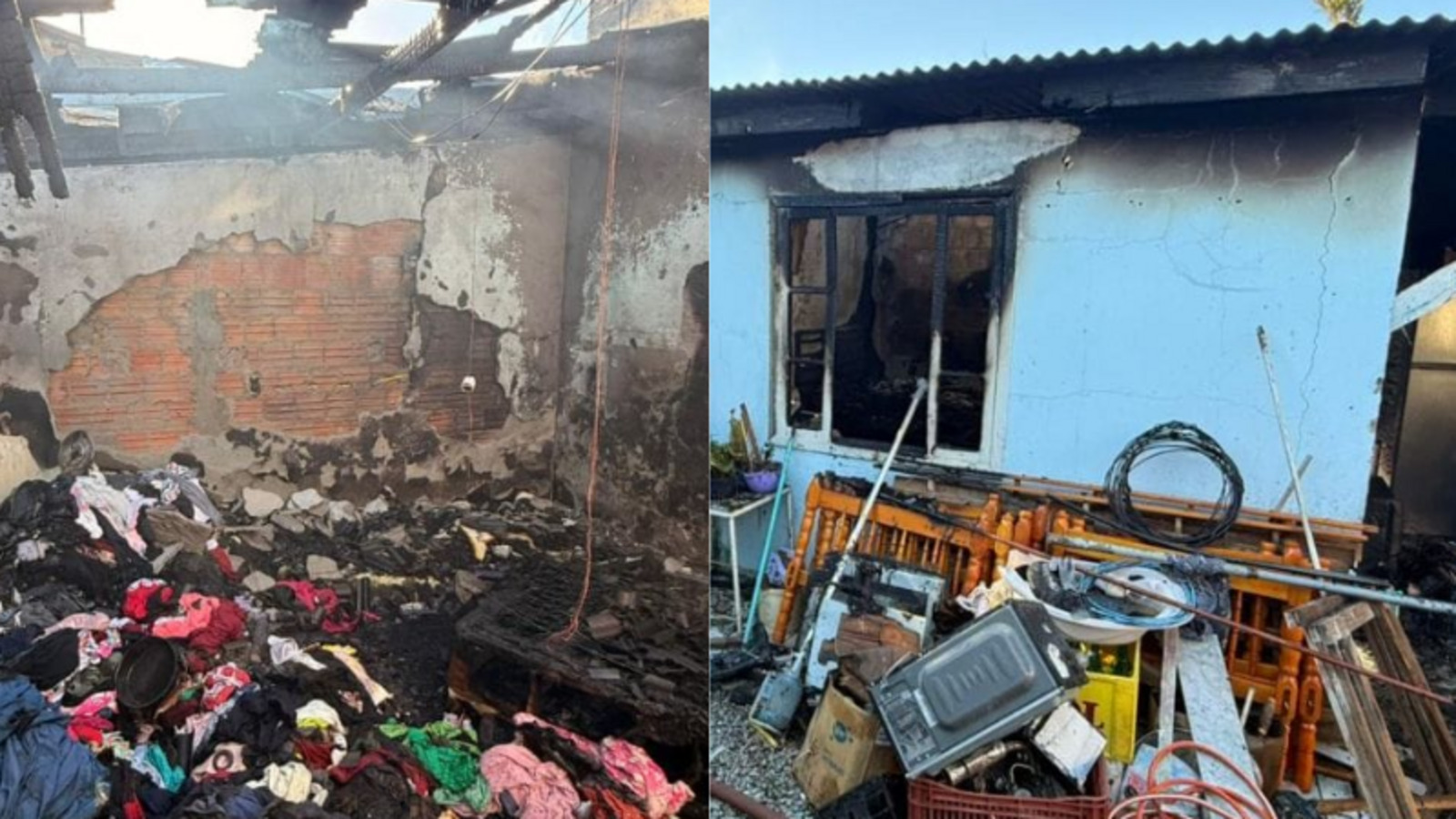
Mother acts quickly and saves 6 children from fire in studio apartment on the coast of SC before firefighters arrive

-
A 21-year-old woman was carried in the arms to the platform and launched from about 40 meters in a bungee jump in Limeira while a rope appeared coiled on the ground behind the group; witnesses were shouting something that no one around managed to stop in time.
-
Truck breaks down in the middle of the Sahara, leaving Nigerians without water on a remote route and turning the journey back home into a tragedy with nearly 50 dead




Additionally, it was requested that they compensate the victim for moral damages in the amount of R$ 1 million and pay compensation for collective moral damages of R$ 2 million.
Victim Forced to Tattoo Employers’ Initials
The victim, a 32-year-old man, is homosexual and was forced to tattoo the initials of two of his employers on his ribs, as a “symbol of possession.”
During the years he worked for the three, he suffered physical, psychological, and sexual violence. The suspects were caught in the act by the Federal Police following reports of abuses.
They targeted LGBT+ individuals in situations of socioeconomic and emotional vulnerability, establishing bonds of trust before subjecting them to abusive conditions.
Slaved for 9 Years
The man worked for nine years as a domestic worker, while a transgender woman, Uruguayan and 29 years old, was in similar conditions for six months.
The suspects, who form a triad, lured the victims through social networks, promising work in exchange for housing and food, as well as the opportunity to complete high school and take vocational courses at the institution they ran.
The Role of the Investigation
The investigation began after a report received by Disque 100, which reported serious violations of human rights, including forced labor, unlawful confinement, and sexual exploitation.
During the inspection, auditors noticed that the victims were lured on LGBT pages on social media.
The Labor Auditor, Humberto Monteiro Camasmie, emphasized that the suspects sought homosexuals and transsexuals in situations of economic vulnerability and family problems.
One of the rescued individuals recounted that a former employee, who had been trafficked, managed to escape after some time.
Violences and Consequences
The victim was subjected to sexual violence that was recorded on video, used to blackmail her and prevent her escape or reporting.
The woman, although she did not suffer direct violence, witnessed the assaults.
She reported receiving between R$ 100 and R$ 600 per month until, in December, she suffered a Stroke (AVC), possibly caused by the stress and violence experienced.
Abandoned by the employers, she managed to return to the South with the help of friends.
After the arrest of the suspects, the victims were welcomed by the Anti-Slavery Clinic at the Federal University of Uberlândia (UFU) and by Unipac, where they receive medical, psychological, and legal assistance.
These institutions play a fundamental role in reintegrating victims into society, providing the necessary support for them to rebuild their lives.
Social and Legal Implications
This case exposes not only the atrocities of slave labor but also raises questions about the vulnerability of LGBT+ communities, which often face discrimination and exclusion.
The scenario reveals the importance of effective public policies that protect these individuals and guarantee their rights.
The action by the MPT is an important step toward ensuring that human rights are respected and that victims of labor exploitation receive adequate compensation.
Moreover, the need for greater awareness of the dangers of human trafficking and labor exploitation is evident.
Educational campaigns and prevention programs are essential to inform communities about the risks associated with job offers that seem too good to be true.
The Role of Social Media in Exploitation
The use of social media by the suspects to lure their victims highlights a new facet of human trafficking and exploitation.
The ease of access and the possibility of anonymity on the internet allow abusers to approach vulnerable individuals more effectively.
Therefore, it is imperative that digital platforms adopt stringent measures to identify and combat predatory behavior.
The Ongoing Fight Against Slave Labor
The fight against slave labor and the pursuit of fair compensations are fundamental to building a fairer and more equal society.
The compensation requested by the MPT highlights the need for accountability of offenders and serves as a warning about the importance of protecting the human rights of all citizens.
The Future of Victims of Slave Labor
The compensation that the victim may receive not only represents an acknowledgment of the severity of the violations suffered but can also be a crucial step for him and other victims to restart their lives.
The ongoing assistance from mental health and social professionals is vital for recovering from trauma and reintegrating into society.
New legislation and public policies must be constantly updated to face the new realities of trafficking and labor exploitation.
Society as a whole must be engaged in the fight against these practices, reporting abuses and supporting initiatives that promote the dignity and human rights of all.
SOURCE: G1/GLOBO





Be the first to react!