Portuguese
  Spanish


Bizarre Traditions in Different Countries Attract Curious Tourists and Transform into Cultural Attractions Sought by Travelers Seeking Unusual Experiences.
Curious tourist attractions are gaining prominence around the world for incorporating unusual and often strange cultural rituals.
Events that were once seen as local eccentricities have now become true magnets for travelers in search of unusual experiences.
Among the highlights are festivals that make babies cry in Japan, pillow fights in public squares in Europe, and themed weddings that attract thousands of tourists to Las Vegas.
-
How to Prevent Brown Recluse Spider Bites: Common Hiding Spots and Free Tips to Reduce Risks

-
Natto: The Unusual Japanese Superfood Gaining Popularity on Social Media and Driving Record Exports
-
Brazilian Mayor Goes Undercover as Homeless for 24 Hours to Assess Public Services

-
15-Year-Old Entrepreneur Malu Lira Publishes 20 Children’s Books on Financial Education, Earns $500,000, and Expands Her Project to the Amazon Rainforest




Naki Sumo Festival in Japan and Crying Babies
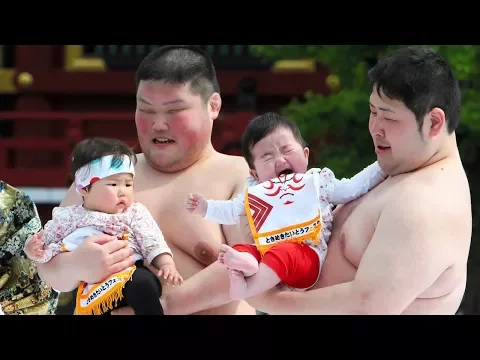
In Japan, the traditional “Naki Sumo” has been practiced for centuries.
The ceremony involves sumo wrestlers lifting babies in their arms and trying to make them cry.
Held in temples like Senso-ji in Tokyo, the ritual follows the belief that tears ward off evil spirits and ensure good health.
The event has gained status as a tourist attraction and draws international visitors fascinated by the uniqueness of the custom.

Fake Weddings in Las Vegas
In the United States, tourists flock to themed chapels in Las Vegas to stage fake weddings complete with costumes, sets, and even Elvis Presley impersonators.
The ceremonies have no legal validity but offer photos, music, and personalized scripts.
This type of celebration boosts the local economy and represents a form of affective and performative tourism.
The tradition of “kitsch weddings” has also found popularity among Brazilians.
The number of tourists from the country seeking this kind of experience has grown, especially among young couples and groups of friends on celebratory trips.

Pillow Fights in Cities Around the World
Another example that has gained global prominence is International Pillow Fight Day, celebrated simultaneously in dozens of cities.
The event brings crowds to public squares for collective pillow fights, often organized through social media.
Images of the “battles” go viral every year, boosting tourist interest and international media coverage.
The editions in New York and London rank among the most popular.

Eccentric Festivals Become Tourist Itineraries
In addition to these cases, other cultural traditions seen as bizarre by visitors have also become established attractions.
In Spain, “La Tomatina” gathers thousands of people in Buñol for a tomato-throwing war in the streets.
The party, which started as a spontaneous joke in the 1940s, is now part of the region’s tourist calendar.
In South Korea, the Boryeong Mud Festival offers a schedule that includes fights in mud pools, slides, and mineral-based beauty treatments.
The event originated from an advertising campaign and has become a phenomenon, with over 2 million attendees per year.
Another standout with strong visual appeal is the Cheese Rolling Festival in the United Kingdom, where competitors roll down hills at high speed chasing a cheese.
The tradition, considered dangerous, has faced criticism and praise, but continues to attract tourists seeking adrenaline and unusual images for social media.
Curiosity and Experience Tourism
The search for these experiences reveals a trend in modern tourism: the interest in authentic, peculiar events that provide unique stories to tell.
Experts suggest that travelers are increasingly inclined to value immersive cultural experiences, even if unconventional.
More than 70% of tourists say they are looking for “unusual experiences” on their next trips, according to a survey from an international lodging platform.
This reinforces the growing appeal of events like those mentioned, which combine local tradition, visual spectacle, and viral potential.
For the host countries, these traditions represent not only cultural pride but also a strategic way to boost the local economy.
With photographic appeal, sharing potential, and surprising stories, these attractions continue to transform global tourism into an experience that is increasingly diverse and unpredictable.
With so many eccentric and irresistible options, the question remains: which of these bizarre traditions would you dare to participate in personally?