Portuguese
  Spanish


Discover How the Energy Transition in the Amazon Can Drive Innovation, Reduce Inequalities, and Position Brazil as a Sustainable Leader.
The discussion on the energy transition in the Amazon is growing every year in Brazil and around the world. Therefore, in Manaus, the Congress on Technological Innovation and Energy Efficiency in the Electric Sector (Citeenel) brought the theme to the center of debate. Thus, authorities, researchers, and representatives from the electric sector could reflect on the paths toward a more sustainable future.
The meeting showed that the Amazon, besides its natural wealth, occupies a strategic position for building a cleaner, fairer, and more sustainable energy model. As such, the event brought together the Governor of Amazonas, Wilson Lima, directors from the National Electric Energy Agency (ANEEL), and business leaders.
During the opening, they emphasized that the electric sector needs investments in research and innovation. Only in this way can Brazil move toward a matrix that reduces emissions, ensures access to the most vulnerable populations, and values local resources.
-
Brazilian scientists are simultaneously advancing two research projects on clean hydrogen and driving solutions that could transform the energy matrix, enhance industrial competitiveness, and accelerate large-scale emission reduction targets.

-
Advancement in renewable energy: A R$ 150 million project launched by Petrobras and Finep aims to create state-of-the-art electrolyzers for green hydrogen, strengthening national research and preparing Brazil to compete in a billion-dollar energy market.
-
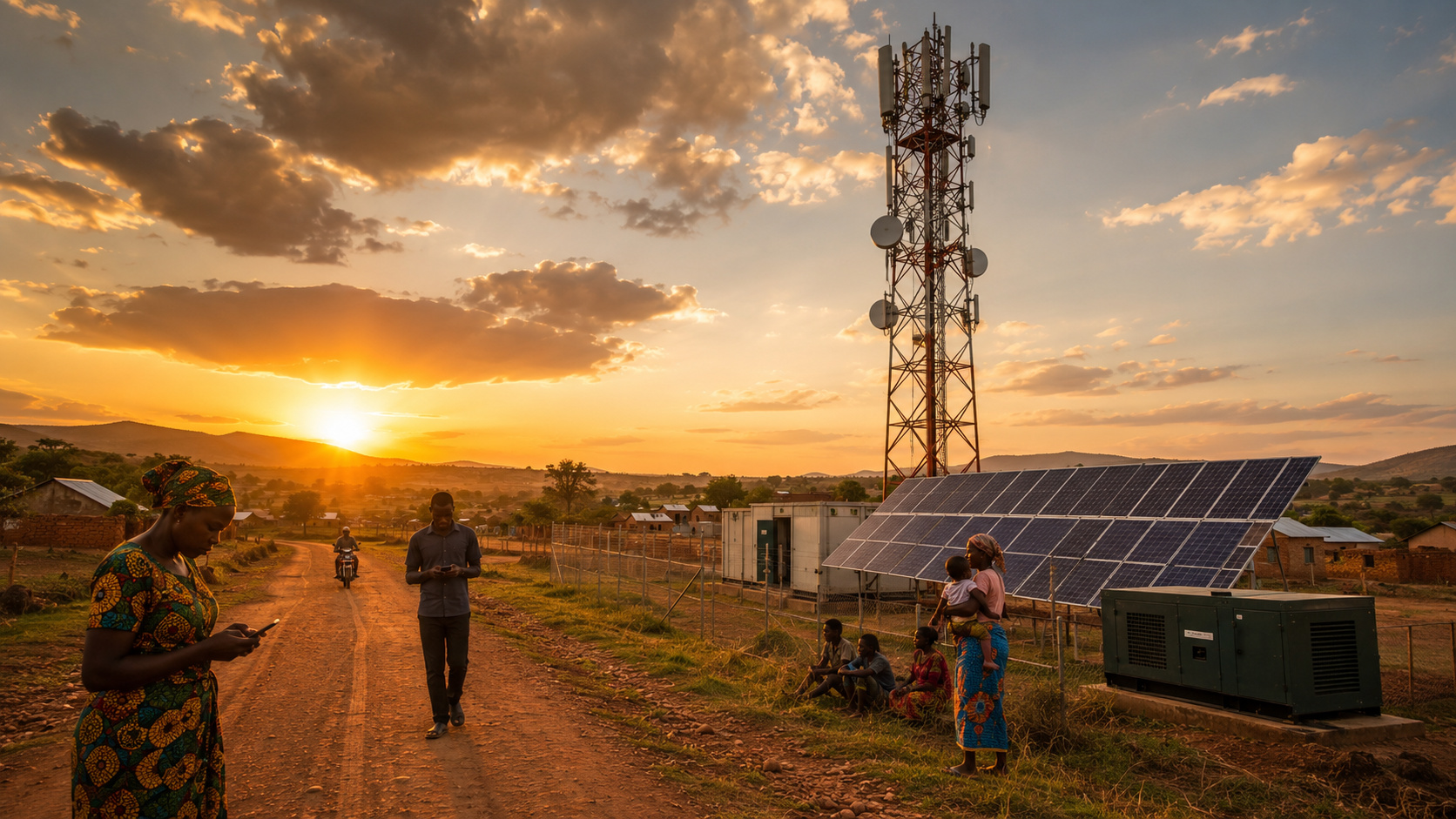
Illiterate or semi-literate grandmothers were trained to repair solar systems, open rural workshops, and light up homes that still depended on kerosene.
-
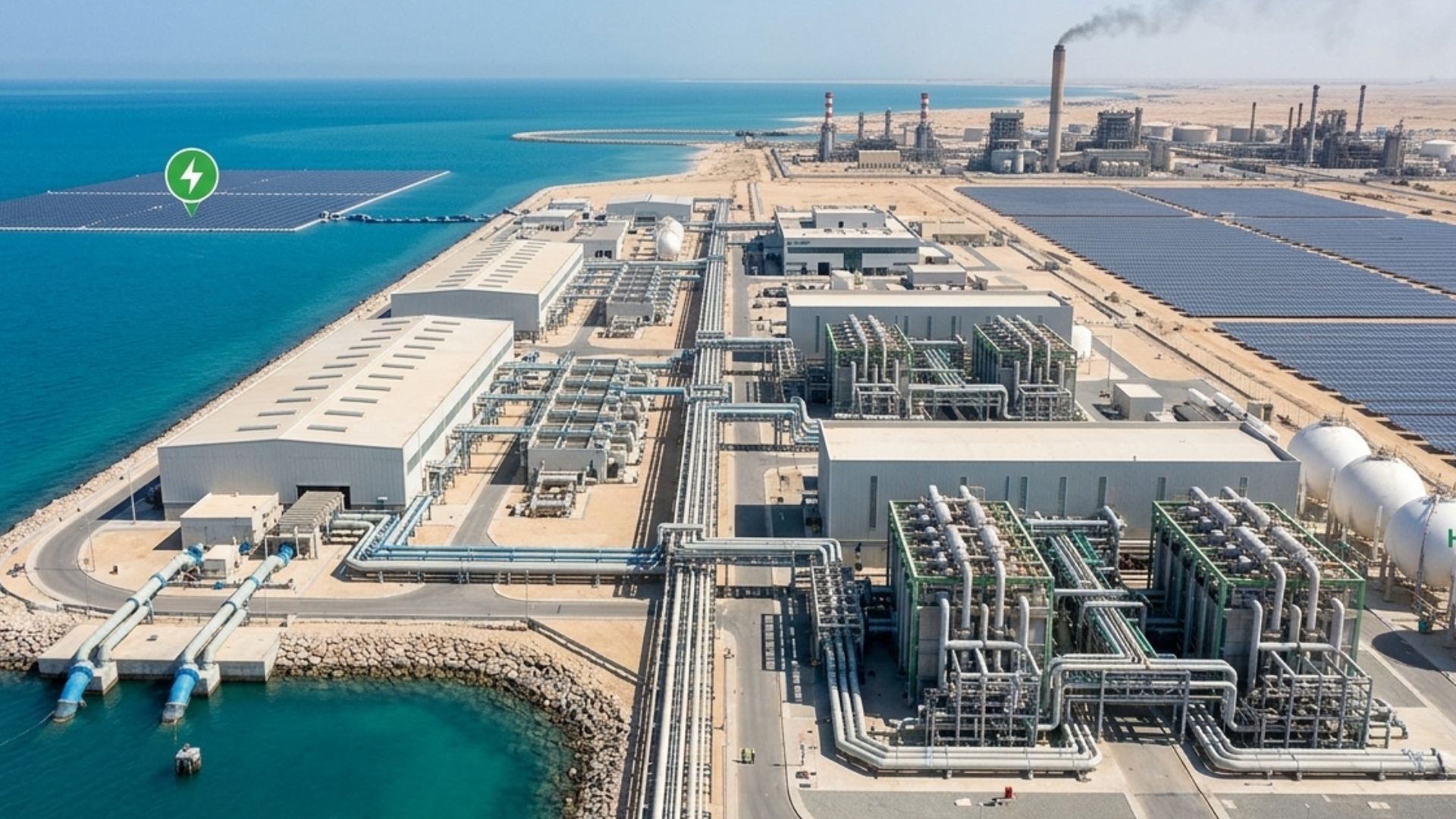
The world has bet on green hydrogen as the fuel of the future, but now faces the side effect: producing 1 kilogram requires about 9 liters of ultrapure water, and the largest projects on the planet are precisely in the driest regions of the Earth, where water is already scarce for people.




The Historical Importance of the Amazon in the Energy Matrix
Throughout history, the Amazon has been directly connected to energy production. In this sense, the construction of the Balbina hydroelectric plant, inaugurated in 1989, profoundly marked the region. However, to this day it triggers debates about the social and environmental impacts.
Although hydroelectricity has increased the supply of energy in the country, the environmental costs in the Amazon region have highlighted the need for more balanced alternatives.
In recent decades, the global debate on climate change and sustainability has reinforced the strategic role of the Amazon. After all, the region has enormous potential for renewable sources, such as solar energy, wind energy in specific areas, and even the use of natural gas as support in the short term.
Yet, many communities live in a state of energy poverty, without regular and quality access to electricity.
Ensuring energy to these communities means much more than lighting homes. This is because reliable access paves the way for education, health, job opportunities, and reducing social inequalities.
Therefore, the energy transition in the Amazon also represents a historical commitment to inclusion.
The Citeenel and the Debate on Innovation
At Citeenel, the Vice President of the University of Michigan, Shalanda Baker, reminded that the lack of access to energy harms Black communities and minorities. For this reason, she reinforced the need for a just and inclusive transition.
In her view, Brazil can lead this process. After all, the country has conditions to develop solutions that unite technology, sustainability, and social equity.
The director-general of ANEEL, Sandoval Feitosa, highlighted that the main challenge is to balance investments in infrastructure and sustainability. To achieve this goal, it becomes essential to invest in research, development, and innovation.
Moreover, these initiatives transform the electric sector into a driver of economic and social growth.
Business leaders in the sector, like the presidents of Eneva, Copel, SPIC Brasil, and Isa Energia, added that the energy transition should not be viewed merely as an environmental agenda. On the contrary, it is an opportunity to strengthen the economy, attract investments, reduce inequalities, and open space for competitive technologies in the global arena.
The Innovation Arena and the Role of Communities
One of the highlights of the event was the Innovation Arena. In this space, experts discussed trends and presented projects focused on the future of energy. Thus, the superintendent of the Amazônia Sustentável Foundation (FAS), Valcléia dos Santos Lima, stated that the transition will only succeed if it occurs alongside Amazonian communities.
This is because many of them live in isolated areas, where energy supply depends on solutions adapted to local conditions.
This perspective shows that the energy transition in the Amazon is not limited to technology. In other words, it is not enough to install solar panels or wind turbines.
It is necessary to create models of generation and distribution that respect the culture, ways of life, and needs of the communities.
Additionally, the integration between innovation and community participation generates a mutual learning environment. Thus, technologies developed for the Amazon can inspire solutions in other regions of the world with similar challenges.
As a result, local leadership, combined with traditional knowledge, strengthens the creation of innovative and sustainable energy solutions.
The Role of Natural Gas as a Bridge
Another important point arose in the speech of Andrea Monte from Eneva, about natural gas. Although it is not a renewable source, gas pollutes less than diesel, still used in many thermoelectric plants.
Therefore, in remote areas, gas can serve as a transitional resource in the short and medium term. This ensures supply security and helps reduce costs.
The energy transition, however, does not happen immediately. On the contrary, it results from the combination of technological innovation, public policies, and private investments.
Thus, each step takes into account the economic and social reality of each region.
Historically, Amazonas and other states in the region relied on diesel plants. This practice increased costs and environmental impacts.
However, the gradual introduction of natural gas, combined with the expansion of renewable sources, can change this scenario.
With this, the region reduces vulnerabilities and prepares the ground for clean energies to dominate the matrix in the future.
Opportunity for Development in the Amazon
The meeting in Manaus reinforced a central message: the energy transition should be seen as an opportunity for development for Brazil, and especially for the Amazon.
This occurs because decarbonization, the use of new technologies, and the pursuit of efficiency can generate jobs, attract investments, and stimulate local production chains.
The Amazon can become a global reference in sustainable solutions. The world closely follows what happens in the region, not only for its biodiversity but also because the forest plays a crucial role in climate balance.
Thus, leading the energy transition from the Amazon reveals Brazil’s environmental responsibility and international prominence.
This prominence, however, requires a long-term vision. The country needs to invest in technical education, expand research infrastructure, and encourage local startups.
With this ecosystem, the Amazon ceases to be seen merely as a resource provider and takes on a position of leadership in the production of knowledge and innovation in clean energy.
The Future of the Energy Transition in the Amazon
By gathering experts, public managers, and community leaders, Citeenel showed that the future of energy passes through the Amazon.
Although the region carries historical challenges, such as the difficulty of integrating isolated communities, it also offers unique opportunities.
After all, the abundance of natural resources and the potential for innovation stand out.
The energy transition in the Amazon needs to move alongside policies that promote social inclusion, reduce energy poverty, and protect the environment.
Therefore, the process depends on partnerships among governments, companies, universities, and civil society organizations.
More than a technical advance, the transition signifies a cultural and social transformation. This is because it redefines how we produce and consume energy and ensures that the benefits reach everyone.
For this reason, the event in Manaus symbolized an important step to reinforce that Brazil’s energy future is closely linked to the fate of the Amazon.
The energy transition in the Amazon represents more than a challenge: it constitutes a historic opportunity.
Therefore, by uniting innovation, sustainability, and social justice, Brazil can transform the region into a model for the world.
The Citeenel in Manaus showed that the debate is already happening and that the electric sector plays a central role in this journey.
Thus, the Amazon, with its natural wealth and cultural diversity, can become the heart of the energy transition in the country.
Even though the path is long, each step toward a cleaner matrix strengthens not only the region but also Brazil in the face of climate change and the pursuit of balanced and equitable development.