






 Portuguese
  Spanish


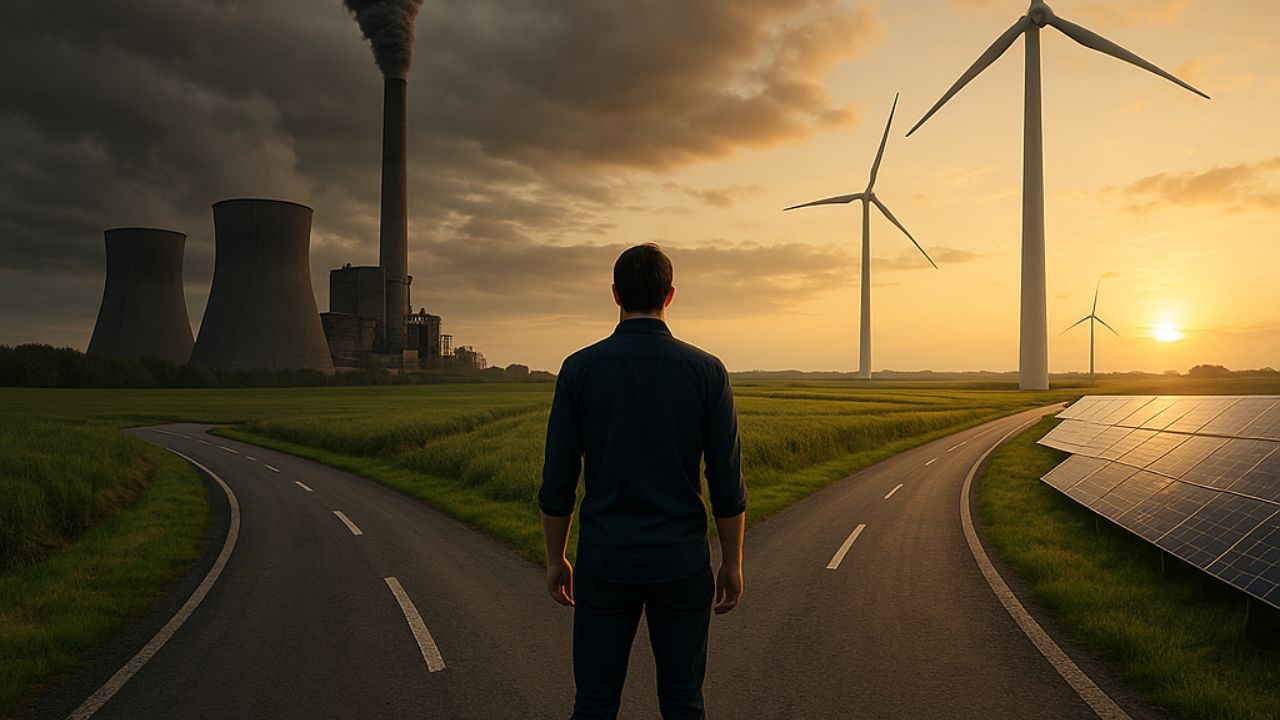

Expert Advocates That The Process Requires A Deep Restructuring Of Society, Addressing Efficiency, Security, Sustainability, And Access For All.
The energy transition has become a global strategic goal to combat the effects of climate change. However, the process is complex and goes far beyond the simple substitution of fossil fuels for renewable sources. According to Professor Gilberto M. Jannuzzi from Unicamp, a restructuring of society is essential for the change to become an effective reality.
A Broad And Interconnected Transformation Across Society
The adoption of new energy sources is not enough. In an article on the The Conversation portal, Professor Jannuzzi highlights the need for a broad and interconnected set of transformations. These changes must extend to the most diverse sectors of society.
The expert points out that energy efficiency must be part of the process. Options such as solar energy, wind energy, urban system electrification, green infrastructure, and energy demand management are also fundamental to the success of the energy transition.
-
Brazil to Hold First Auction for Batteries to Store Solar and Wind Energy from the Northeast

-
Brazilian scientists are simultaneously advancing two research projects on clean hydrogen and driving solutions that could transform the energy matrix, enhance industrial competitiveness, and accelerate large-scale emission reduction targets.

-
Advancement in renewable energy: A R$ 150 million project launched by Petrobras and Finep aims to create state-of-the-art electrolyzers for green hydrogen, strengthening national research and preparing Brazil to compete in a billion-dollar energy market.
-
Illiterate or semi-literate grandmothers were trained to repair solar systems, open rural workshops, and light up homes that still depended on kerosene.
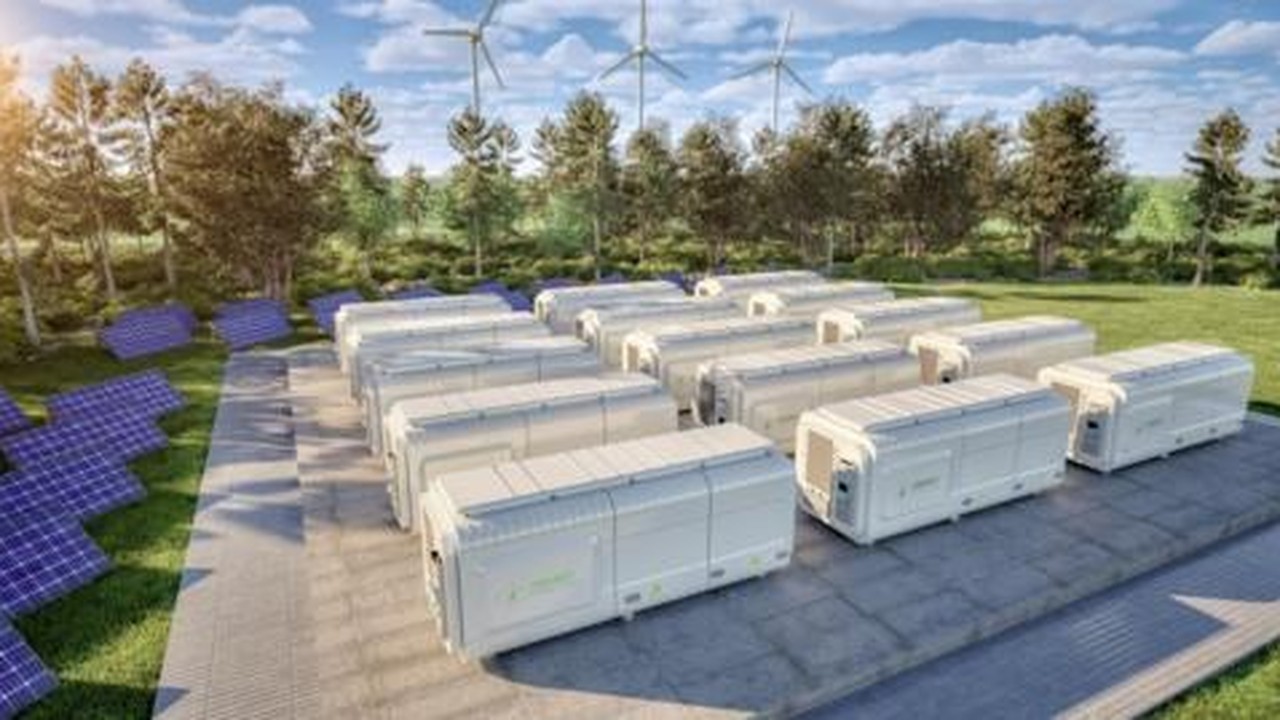



Efficiency And The New Definition Of Security In The Energy Transition
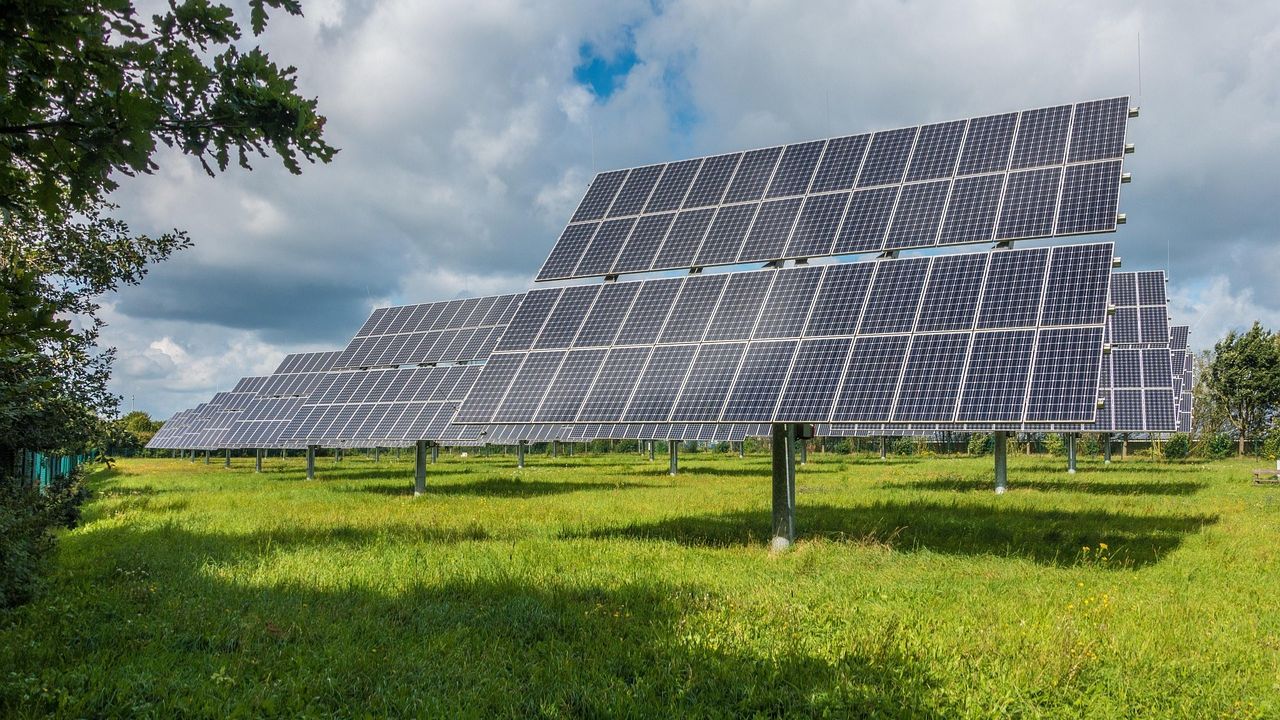
There are significant challenges to accelerate the deployment of these new systems. Although the costs of many technologies have decreased, limitations persist. Obstacles appear in both regulatory fields and the physical infrastructure for distribution, storage, and final energy use.
Energy security, for example, needs to be redefined. Previously, it relied on access to fossil fuels. Now, dependence on a few sources or supply routes, whether for fuels or critical minerals for renewable technologies, creates new geopolitical and economic vulnerabilities. The energy transition therefore seeks to diversify the matrix, strengthen supply chains, and promote local or regional self-sufficiency.
Environmental Sustainability: The Complete Life Cycle Of Technologies
Environmental sustainability is another central element. The primary goal is to reduce greenhouse gas emissions. However, it is also necessary to minimize the total environmental impact of the life cycle of energy technologies.
This includes all stages. The analysis goes from the extraction of raw materials, such as lithium and cobalt, through the manufacturing and operation of equipment, to its disposal and recycling.
Accessibility As A Pillar For A Just Energy Transition
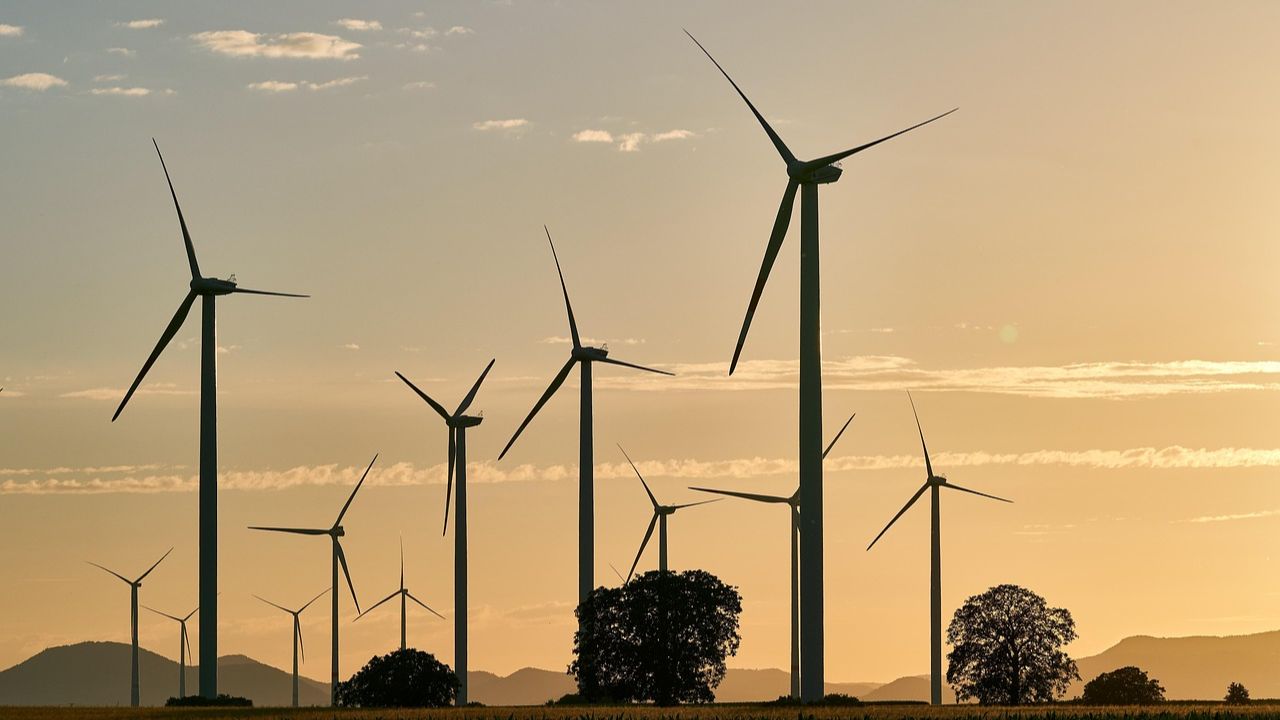
Energy options must be accessible to the population. Energy accessibility should be a priority for authorities, especially in a world with billions of people lacking reliable access to electricity or clean energy sources.
Ensuring that everyone can cook and have comfort in a clean and safe way is one of the pillars of an energy transition that is truly just and inclusive.
Rethinking Consumption For A Real And Effective Change
The question is not only where and how we produce our energy. It is vital to analyze how we consume it and how we manage it. Real change requires a restructuring of our societies to make them more efficient and just in their energy use.
Expert Gilberto M. Jannuzzi emphasizes that only with this comprehensive approach will we be able to observe changes at the speed and magnitude that the planet needs.




