Portuguese
  Spanish


BNDES And Transpetro Sign Agreement for Strategic Study Analyzing Naval Construction and Decarbonization. Aim Is to Strengthen the Sector in Brazil.
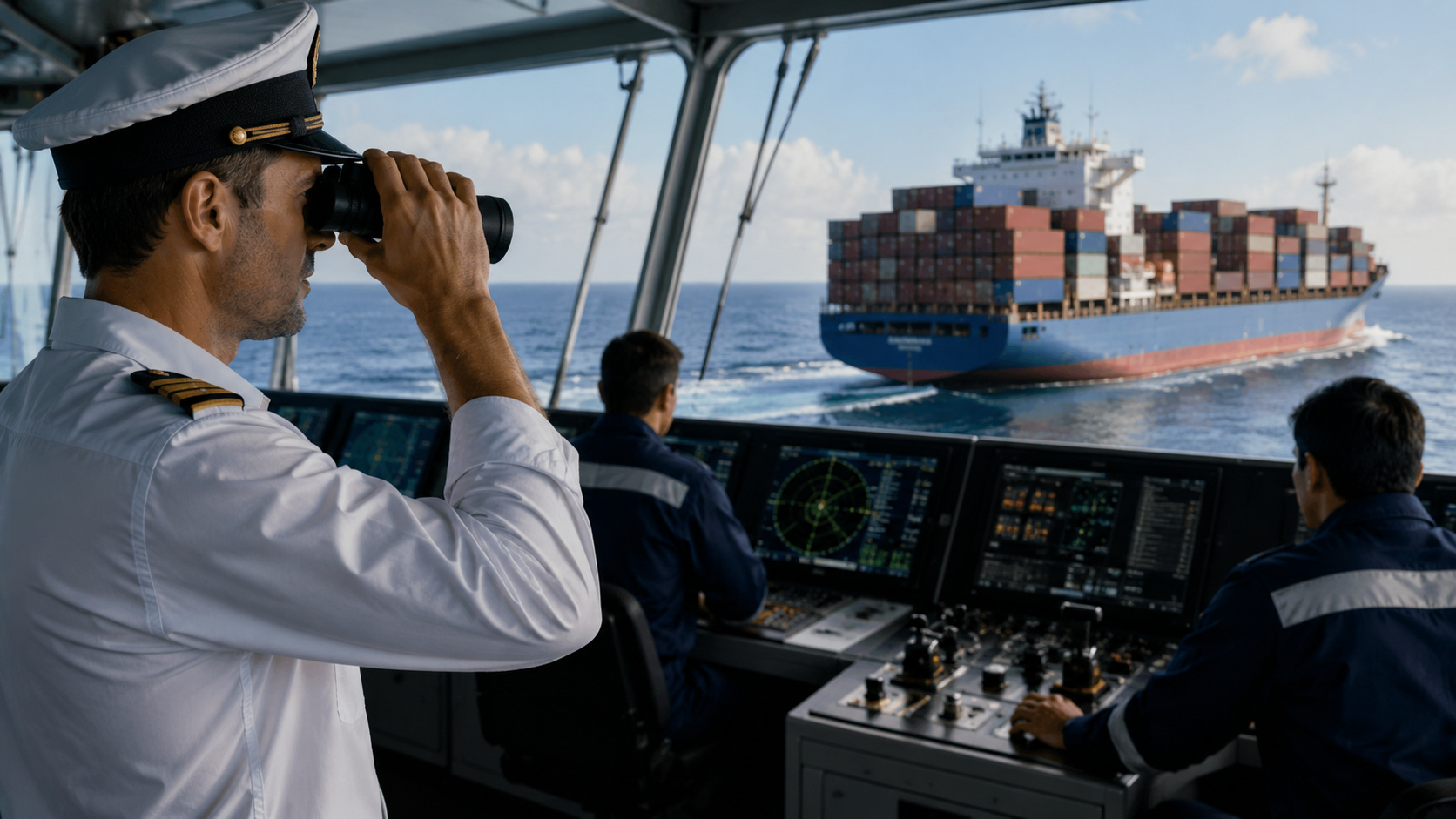
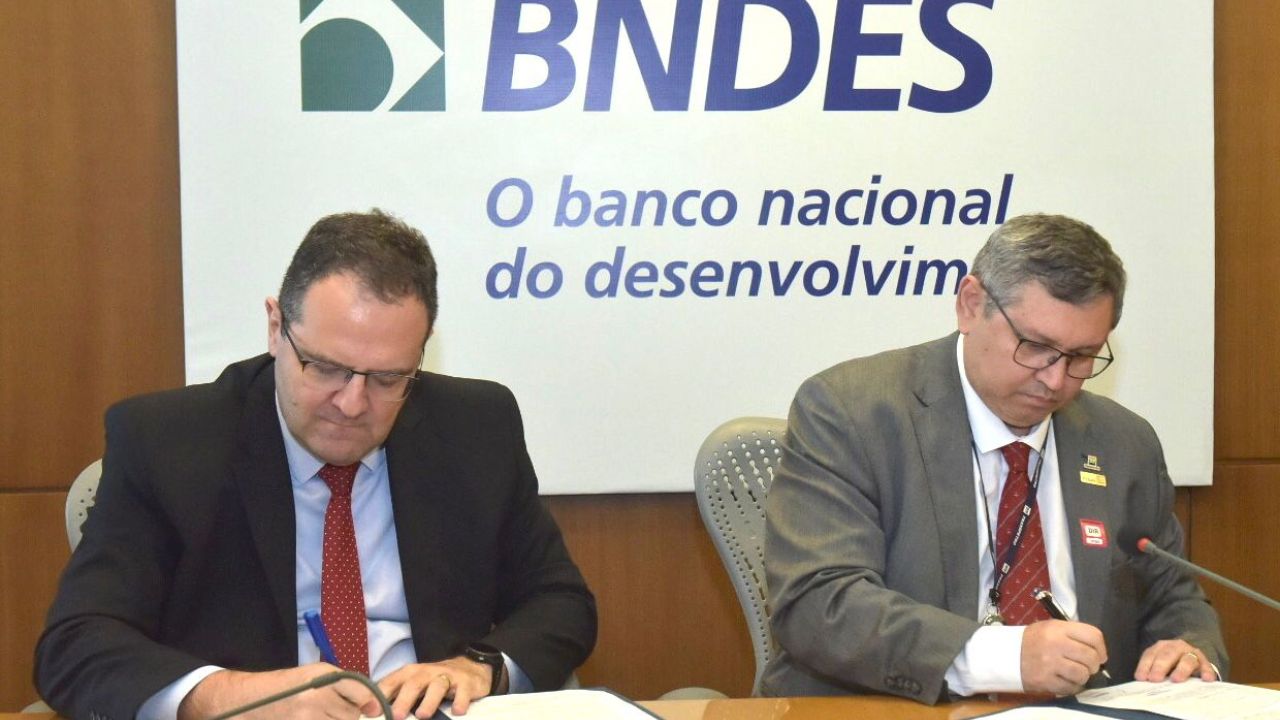
Transpetro and BNDES signed a technical cooperation agreement last Wednesday (23) in Rio de Janeiro to develop an unprecedented study on the pathways of naval construction in Brazil. The goal is to understand how the sector can restructure itself in light of global decarbonization demands while strengthening the economy, generating jobs, and boosting national sovereignty.
The initiative involves a comprehensive diagnosis of the naval sector, including its opportunities amid the energy transition, production bottlenecks, demands for modernization, and alignment with international industrial policies.
Naval Construction Is Strategic for Sovereignty and Development of Brazil
The naval construction sector is considered vital for Brazil’s energy security. It directly supports the exploration and production of offshore oil and gas and, therefore, relies on robust investments and structured public policies.
-
The U.S. Navy Conducts Submarine Tests in Idaho Lake to Detect Underwater Noises Hidden by the Ocean

-
Nuclear Submarine USS Alexandria Retired After 35 Years, Having Completed Over 1 Million Miles in Missions

-
MODEC Introduces New Hull Design for FPSO Gato do Mato to Produce Up to 120,000 Barrels of Oil Per Day in Brazil’s Pre-Salt Region
-
This Massive 12-Meter, 21-Ton Underwater Drone Can Operate Autonomously for Up to Five Days


In addition, the naval industry has a strong socioeconomic impact: it once employed over 40,000 workers across the country. Being labor-intensive and integrating a broad supply chain, it represents a significant opportunity for industrial recovery with income generation and strengthening of national engineering.
“Naval construction can gain new dynamism from the transformations brought about by the energy transition, and our goal is to contribute with concrete proposals for the sustainable strengthening of this industry in Brazil,” said Nelson Barbosa, Planning and Institutional Relations Director at BNDES.
Study Will Map Naval Industry and Propose Public Policies for the Sector
The technical study commissioned by BNDES in partnership with Transpetro will focus primarily on the “Opportunities of Decarbonization and Energy Transition for the Restructuring of the Naval Industry”. The work will conduct a complete mapping of the national supply chain, markets, and international initiatives that already promote this sector in other countries.
The research will also analyze key productive and technological factors in light of climate change and the geopolitical landscape. The modernization of port infrastructure will also be assessed, with concrete suggestions for new public policies and improvements for the sector.
Decarbonization Is a Global Challenge and Opportunity for Brazil
Concern about greenhouse gas (GHG) emissions in maritime transport has been growing. According to the International Maritime Organization (IMO), these emissions increased by 20% in the last decade. The agency, linked to the UN, aims to zero emissions from the sector by 2050, which will require profound changes in the global fleet.
According to global estimates, the decarbonization of naval construction is expected to generate around US$ 18 billion per year in investments, while the modernization of port infrastructure could exceed US$ 90 billion annually.
“This study will contribute to Brazil tackling this challenge and turning it into an opportunity for economic development with job and income generation in the country,” highlighted Aloizio Mercadante, President of BNDES.
Transpetro Sees Decarbonization and Digitalization as Strategic Priorities
Transpetro, a subsidiary of Petrobras responsible for transporting oil, gas, and derivatives, reinforces its role as an agent of sustainable development. For the state-owned company, combining innovation, energy efficiency, and environmental responsibility is essential for the longevity of the sector.
“We live in an increasingly dynamic world, and two major priorities can be enhanced with the milestones of this study: decarbonization and digitalization of our operations,” said Jones Alexandre Barros Soares, Maritime Transport Director at Transpetro.
Also present at the signing of the agreement were the executive of Engineering and Ship Maintenance at the company, Flávio Gabina, and representatives of the federal public bank.
The partnership between BNDES and Transpetro paves the way for a greener and more competitive future, focusing on quality jobs, technological sovereignty, and strengthening the national naval chain.