Portuguese
  Spanish


New Federal Law Bans the Use of Live Animals in US Army Military Training and Changes Combat Medical Training.
The use of live animals in military training of the US Army has been officially banned by federal law approved on December 18. The measure is part of the National Defense Authorization Act of 2026 and prevents live fire field exercises involving animals. The ban primarily affects training aimed at the qualification of combat medics.
The change occurred after political and social pressure to end practices considered outdated. The goal is, therefore, to force the adoption of more modern and ethical training methods.
How Did the Use of Live Animals in Military Training Work?
Before the ban, the US Army used animals such as pigs and goats in simulated war injuries. These exercises aimed to prepare medics to deal with severe trauma in real combat situations.
-
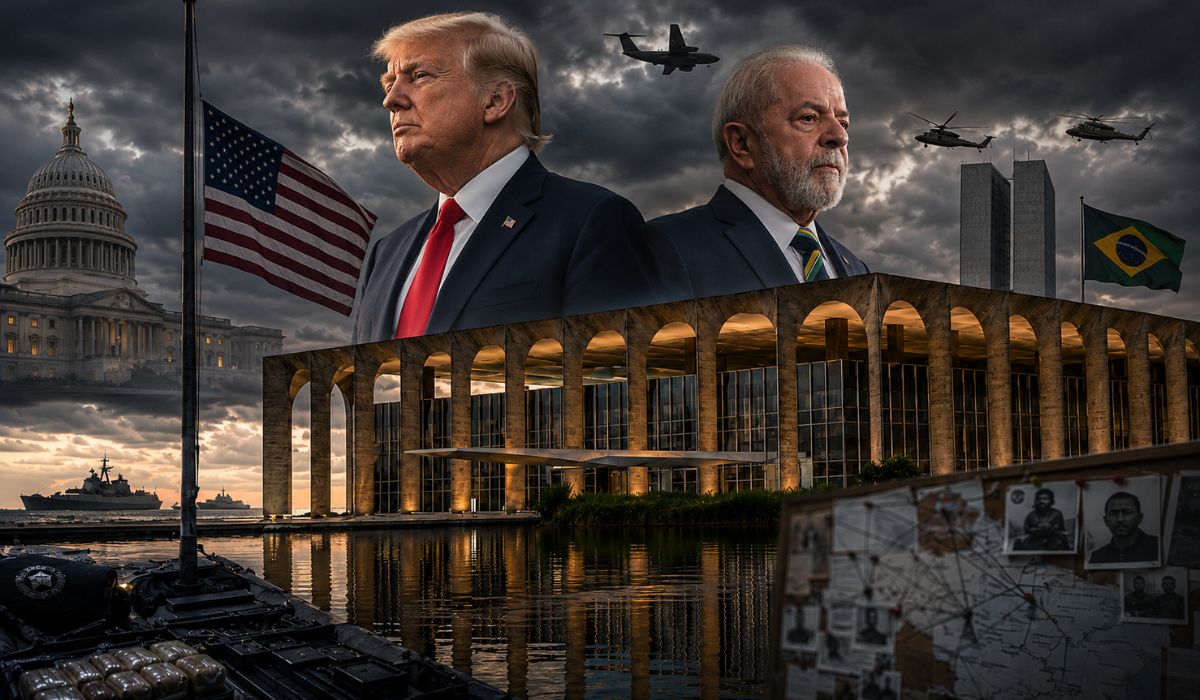
U.S. Military Intervention Risk in Brazil Raises Alarm, Highlights National Sovereignty Amid Tensions Over Washington’s Terrorist Designation of PCC and Comando Vermelho

-
Brazilian Air Force’s Sole KC-30 Aircraft Completes Strategic Mission to Spain for 105mm Anti-Tank Ammunition for Leopard 1A5 Tanks

-
Brazilian Air Force Seeks to Acquire More Gripen Fighter Jets
-
U.S. Air Force Launches Air-to-Air Missile Project with Range of Up to 1,850 km for Indo-Pacific Operations



According to official reports, the choice was due to the similarity between the organs and tissues of these animals and humans. Nonetheless, the method has always generated controversy.
Although ancient, the use of live animals in military training has been widely questioned in recent years. Critics argue that technological advances have made the practice unnecessary.
In addition, animal rights organizations have classified the method as inhumane. This debate gained traction in Congress and paved the way for the legal ban.
Political Pressure Led to the Ban Imposed on the US Army
The approval of the law was driven by lawmakers and civil entities. Groups like the Committee of Physicians for Responsible Medicine and PETA actively pushed for the change.
According to information released by the Associated Press, Congressman Vern Buchanan stated that the legislation aims to eliminate practices incompatible with current science. For him, the ban represents an ethical advance.
Law Maintains Specific Exceptions in Military Training
Despite the ban, the law does not prohibit all procedures involving animals. The US Army will still be able to conduct specific tests that do not involve live ammunition.
Cases classified as weapon evaluations remain permitted, provided the animals are anesthetized. These exceptions were included due to technical requirements from the defense sector.
Simulators Become a Priority in Medics’ Training
With the new rule, military training must prioritize advanced simulators, technological mannequins, cadavers, and trained actors. These tools reproduce human scenarios with greater fidelity.
Experts state that these methods are more effective for training combat medics. Thus, the ban on the use of live animals redefines medical preparation in the United States Armed Forces.
With information from Revista Galileu