






 Portuguese
  Spanish
 5 min of reading
  1 comment


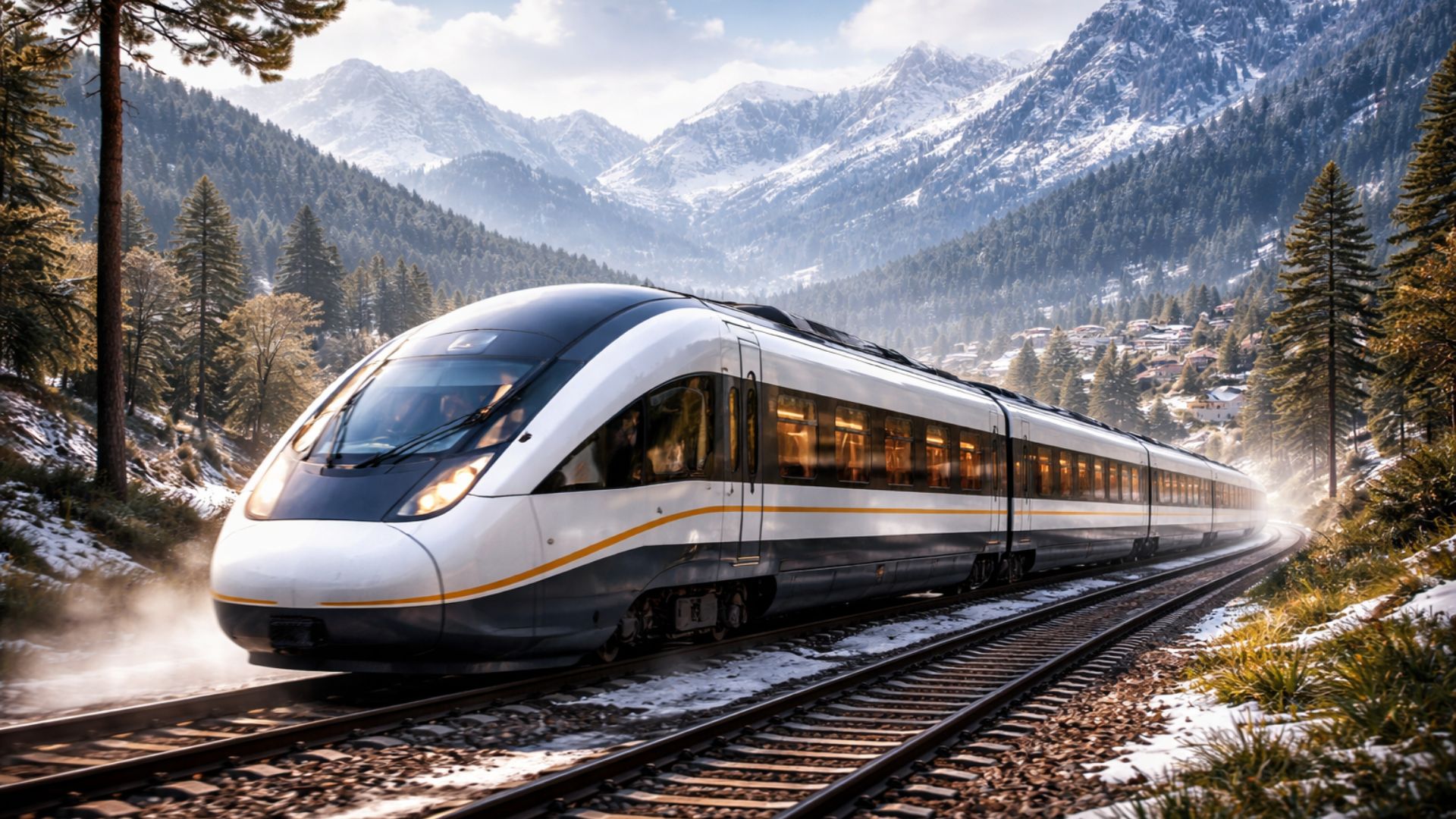


Private Railway Project in Rio Grande do Sul Foresees Billion-Dollar Investment, New Connection Between Capital and Serra Gaúcha, Creation of Thousands of Jobs and Focus on Tourism and Mobility, with Modern Trains, Strategic Stations and Long-Term Schedule.
The government of Rio Grande do Sul has authorized the implementation of a private passenger railway intended to connect Porto Alegre to Gramado and Canela, with an estimated investment of R$ 4.5 billion and a projected start of operations in 2032.
The announcement was made in August 2025 and assigns to the company SulTrens the responsibility for raising private sector funding, as well as managing the environmental licensing stages and developing engineering projects.
Railway Connection Between Porto Alegre and Serra Gaúcha
According to the design presented by the State, the proposal combines mobility and tourism by offering a more predictable journey between the Metropolitan Region and Serra Gaúcha.
-
Retired trains leave European tracks and become tons of steel, aluminum, and copper in dismantling yards where recycling exceeds 90%, but batteries, composites, and electronics create a new frontier of railway waste.

-
The strategic railway of Santa Catarina will receive R$ 608 million, will undergo historic modernization, and could transform logistics between Mafra and the Port of São Francisco do Sul.
-
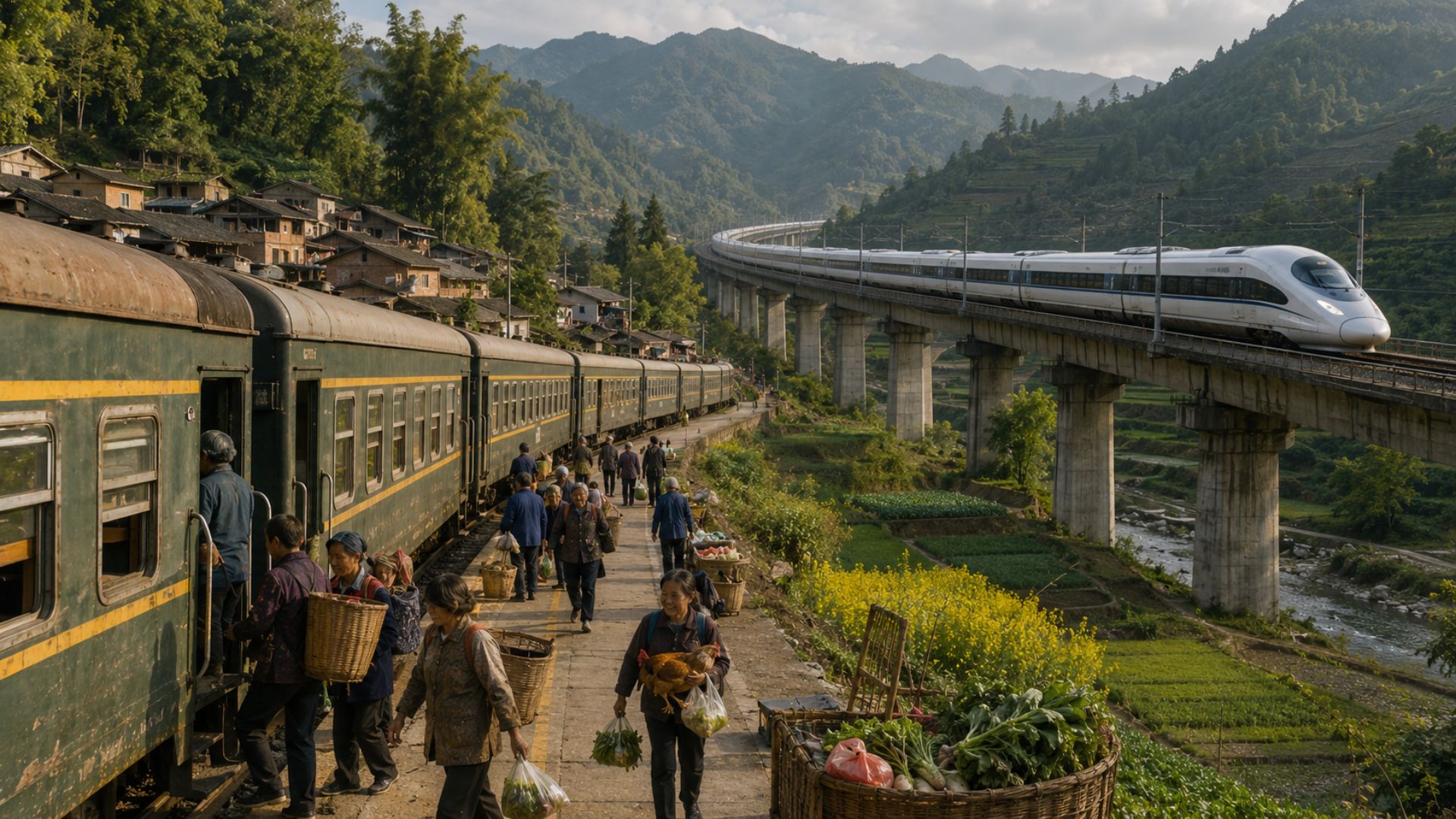
While showcasing bullet trains traveling at over 300 km/h, China maintains about 81 slow train lines that travel at 40 km/h, charge less than R$ 2 for a ticket, and cross remote villages carrying residents, students, and even chickens and vegetables to the market.

-
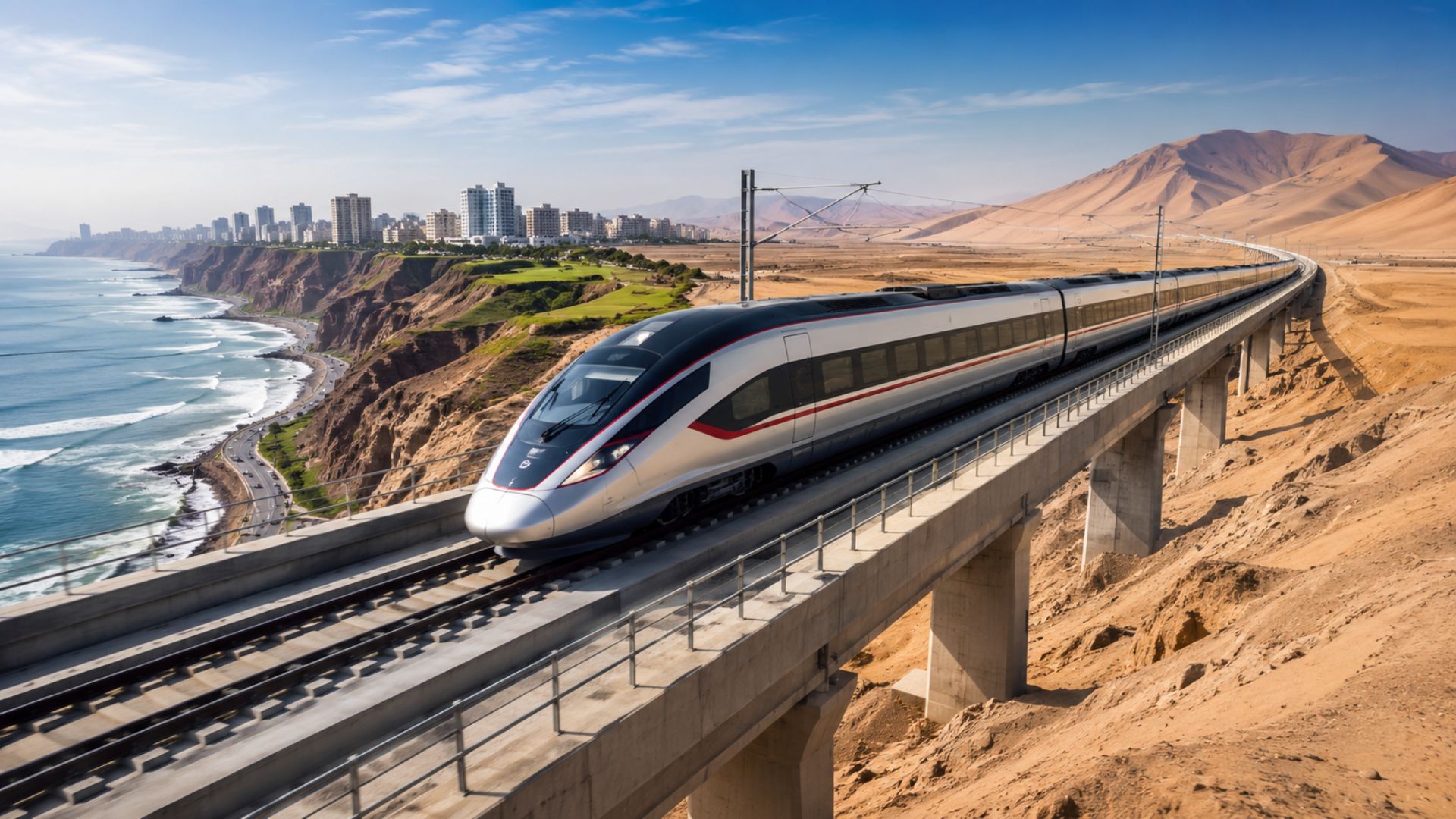
Peru plans to build, with Chinese technology and capital, what is intended to be the fastest train in South America, a high-speed line between Lima and Ica at up to 200 km/h, but the $6.5 billion project is only expected to be completed around 2032.


The expectation is for a trip with a duration of approximately one hour, on an express route designed to reduce dependence on cars and buses, especially during peak season periods.
The route disclosed in official communications indicates a railway of about 83 kilometers, crossing municipalities along the way to the area of Gramado and Canela.
According to the material presented at the time of the announcement, the project’s area of influence includes dozens of localities, passing through 19 municipalities along the main corridor.
The concession for service operation was structured with a duration of 99 years, within the authorization model for private passenger rail transport operation.
In institutional communications, the state government highlighted the unprecedented nature of the initiative, being a passenger railway implemented and operated entirely by the private sector within a State.
Economic Impact and Job Creation
The forecast indicates the creation of 22,723 direct and indirect jobs, comprising positions during both the implementation and operation phases of the railway system.
This number appears in official communications and in reports published after the project’s authorization, with partial detailing of the expected direct and indirect jobs.
Nevertheless, the final job volume will depend on the progress of licensing, fundraising, and the definition of the construction schedule.
As is typical in large-scale projects, the number of hires tends to vary depending on the project stage, the executive design, and market conditions, while the publicly disclosed numbers remain unchanged for now.
Hybrid Trains and Onboard Connectivity
To tackle the terrain of Serra Gaúcha, SulTrens and the state government indicated the adoption of trains with diesel-electric hybrid propulsion.
The adhesion term released in August 2025 describes articulated compositions, with bidirectional traffic and a projected maximum speed of 120 km/h, tailored to the profile of the route.
The estimated capacity ranges between 220 and 300 passengers, with provisions for air conditioning and other amenities aimed at passenger comfort during the journey.
In addition to the technical features, connectivity was presented as a service differentiator.
The compositions will include Wi-Fi, aligning the project with a tourist and convenience standard for passengers on leisure or work trips.
Stations Near the Airport and Tourist Axis
The main stations were positioned to facilitate access for both residents and tourists, avoiding prolonged urban travel.
In Porto Alegre, the project foresees a station near Salgado Filho International Airport, with an estimated connection of about 700 meters from the terminal.
In Serra Gaúcha, the arrival is slated for Avenida das Hortênsias, between Gramado and Canela, one of the primary tourist and commercial axes of the region.
The location choice seeks to integrate the flow of visitors with the corridor that concentrates hotels, restaurants, and attractions, reducing the need for additional travel.
Engineering Works and Route Challenges
The plan anticipates a significant set of works to overcome elevation changes and traverse urban and rural areas along the route.
The adhesion term mentions 27 road-rail crossings, 15 bridges and viaducts, and 9 tunnels, along with the establishment of an operational maintenance center.
These elements help explain the high volume of investments and the extended timeline until the completion of works.
The document also lists future stages, such as demand research, route optimization, executive project development, and environmental studies, including EIA/Rima, before the start of large-scale interventions.
Historical Recovery and Touristic Appeal
The proposal also incorporates a historical component by restoring the railway connection between Porto Alegre and the Gramado region, which ceased operations in 1963, as noted in the project records.
The new route presents itself as a revival of passenger rail transport, now focusing on rapid travel and strengthening regional tourism.
In public discourse, the railway is portrayed as an alternative to alleviate pressure on highways and urban centers, especially during holidays and periods of higher traffic.
There is also an expectation that the journey will offer scenic segments along Serra Gaúcha, enhancing the touristic appeal of the trip.
Part of this interest is associated with the region’s winter climate, often linked to low temperatures and the occasional occurrence of snow.
Official records and travel guides, however, indicate that snow in Gramado is sporadic, not occurring every year.
When recorded, it tends to be brief and of short duration, meaning that the snow scenario cannot be considered a regular feature of the route.
With licensing and fundraising still underway, the project remains contingent upon the fulfillment of technical and environmental stages before it transforms into infrastructure.
If it progresses according to the schedule, the railway could change the way of access to Serra Gaúcha and the dynamics of travel between the interior and the capital, but what concrete signs will indicate that the train has indeed begun to leave the drawing board?






Um sonho de verão!