Portuguese
  Spanish


Mexico Receives 11 Thousand Deported Immigrants from the U.S. After New Trump Measures and Reinforces Border with Troops to Contain Illegal Immigration.
Since Donald Trump reassumed the presidency of the United States of America (USA) on January 20, the Mexican government has recorded the deportation of nearly 11 thousand immigrants sent back to Mexico.
The information was confirmed by Mexican President Claudia Sheinbaum this Friday (7).
Of these immigrants, approximately 2,500 are from other nationalities, demonstrating the impact of new American immigration policies on Latin America.
-
European Parliament Approves Digital Euro, Aiming to Challenge Visa and Mastercard’s Dominance and Transform Payments Across Europe by 2029

-
Israel finds Hezbollah militarized tunnel over 200 meters long under village, with 4 missile launch shafts, 12 chambers, anti-tank missiles, drones, and weapons depots at a depth of 25 meters.

-
Ukraine launches largest drone attack on Moscow since 2022, Russia claims to have intercepted nearly 200 aircraft near the capital, Kapotnya refinery targeted again, and offensive reignites alert about war reaching the Russian energy heart just a few kilometers from the Kremlin.

-
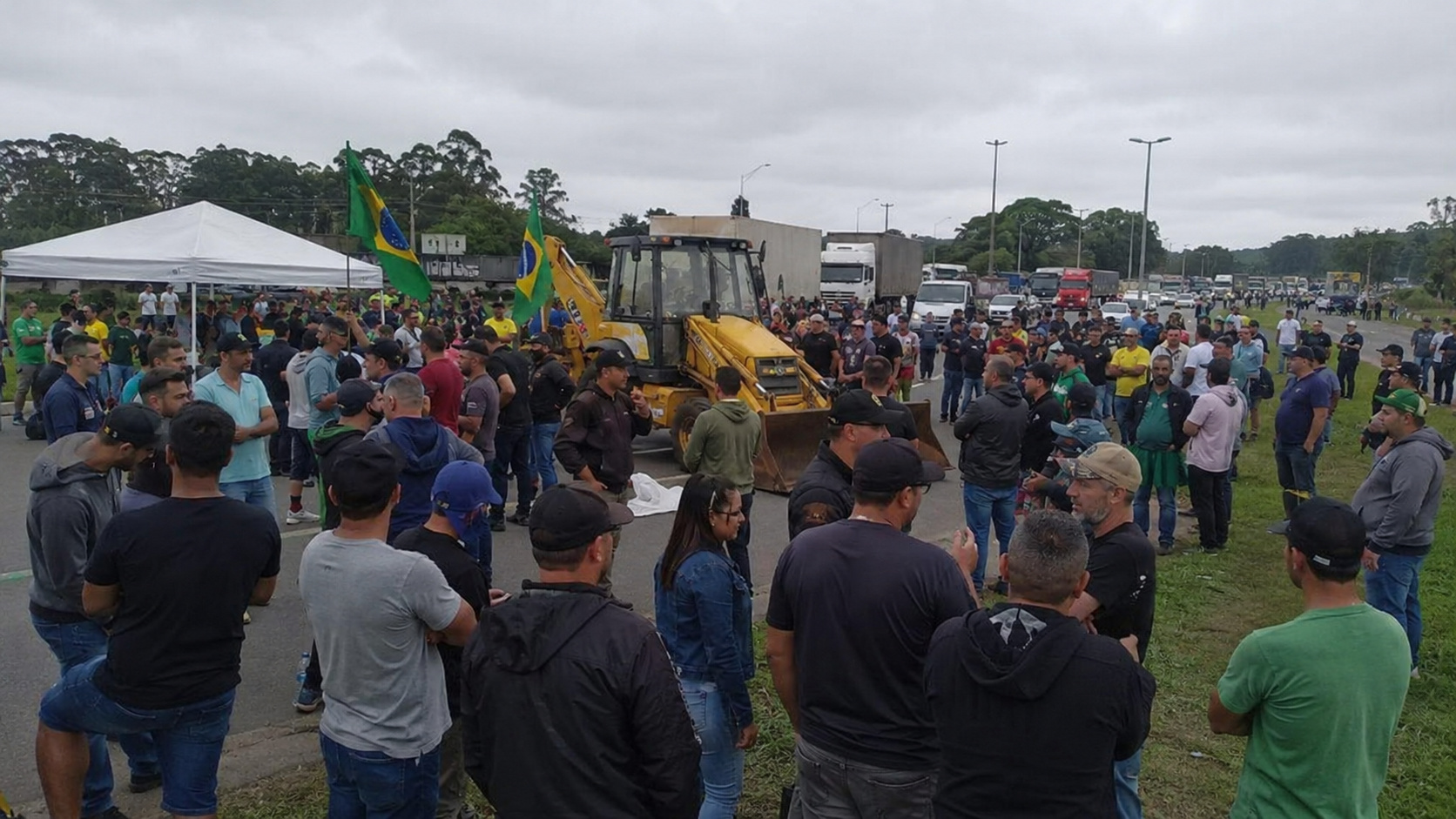
Truck drivers, freight, and fines from 2022 take center stage in politics: Chamber approves MP with amnesty, mandatory tracking by CIOT, million-dollar penalties, and new minimum wage for those who spend more than 24 hours on the road.


Agreement Between Mexico and USA: Reinforced Border
Earlier this week, Sheinbaum made an agreement with Donald Trump to avoid the imposition of trade tariffs that the United States planned to apply on Mexican products.
In return, Mexico agreed to reinforce its border with thousands of National Guard agents, with the aim of containing the flow of illegal immigrants attempting to cross into the United States.
Thousands of Mexican Soldiers at the Border
As part of the commitment made, the Mexican government sent approximately 10 thousand soldiers to the border region.
The troops are concentrated at points considered strategic for illegal immigration, drug trafficking, and arms trafficking, such as the states of Baja California, Sonora, and Tamaulipas.
Mexican authorities state that this action is essential to curb clandestine traffic in the region and maintain stable trade relations with the United States.
However, analysts warn that the heavy presence of troops at the border may leave other areas of Mexico vulnerable to violence and organized crime.
The repositioning of forces raises concerns about the country’s internal security.
Repatriation and Humanitarian Issue
The Mexican President also highlighted that many deported immigrants are being repatriated to their home countries, such as Honduras.
According to Sheinbaum, the process has been conducted voluntarily, with air and ground transportation provided by the Mexican government.
“It is voluntary. We will accompany them so they can return to their countries safely,” stated the official.
Political and Economic Impacts
Trump’s immigration policy has sparked debates in both the United States and Mexico.
For experts, maintaining the agreement between the two countries avoids a trade war that could put the Mexican economy into recession and raise prices of Mexican products in the American market, such as automobiles and trucks.
At the same time, the intensification of deportations and the reinforcement of security at the border bring a new chapter to the relationship between the two countries, with Mexico playing a key role in the strategy to contain undocumented immigration.
The unfolding of these measures will continue to be closely monitored as Trump implements his border security policy and Mexico seeks to maintain economic and diplomatic stability.
Sources:
CNN Brazil: First Soldiers from Mexico Arrive at the Border After Agreement with the USA;
CNN Brazil: Almost 11 Thousand People Have Been Deported to Mexico Since Trump’s Inauguration