Portuguese
  Spanish


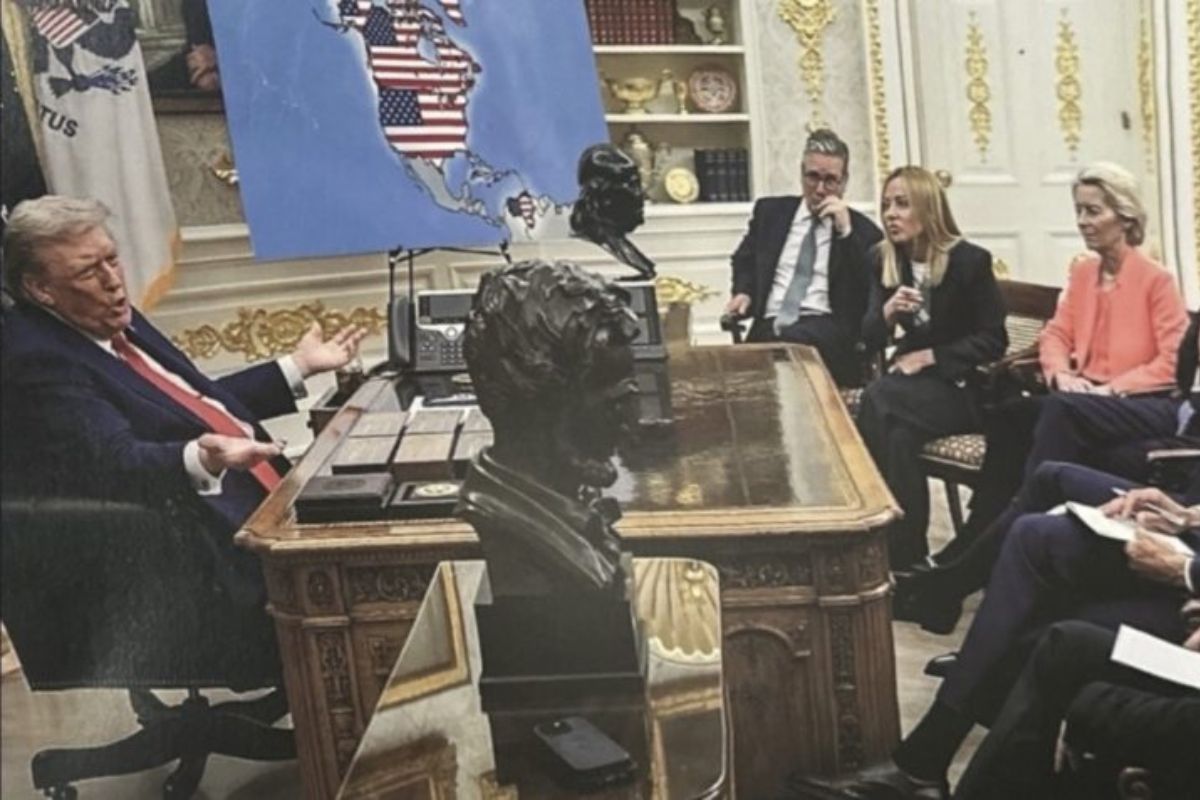

By Suggesting That Canada Could Become An American State, Trump Repositions The Annexation Agenda As Power Rhetoric. Cited Research Indicates A Majority In The U.S. In Favor Of Canadian Sovereignty. On Paper, The Operation Would Require Political Approval, Constitutional Rules, Agreements And High Diplomatic Costs Even Before Voting In Congress
The Hypothesis Of Transforming Canada Into A U.S. State Has Returned To The News Following Recent Statements By Trump In Washington, Presented As Provocation And At The Same Time As A Signal Of Priorities In His Second Term. The Political Noise Arises From A Short Phrase, But The Real Weight Emerges When It Is Tested Against Numbers And Institutions.
Even Without A Formal Measure Announcement, The Speech About Annexation Changes The Reading Of Allies And Adversaries. Canada Is Cited As A Sensitive Case Because It Shares An Extensive Border And Is A Historic Partner Of The U.S., Which Amplifies The Immediate Diplomatic Impact Of Any Suggestion.
Statements That Become An Agenda Even Without A Decree
In Public Events And Informal Conversations, Trump Repeatedly Mentioned The Incorporation Of Canada As An “Eventual 51st State” And Connected The Theme To National Security And Strategic Resources Arguments.
-
European Parliament Approves Digital Euro, Aiming to Challenge Visa and Mastercard’s Dominance and Transform Payments Across Europe by 2029

-
Israel finds Hezbollah militarized tunnel over 200 meters long under village, with 4 missile launch shafts, 12 chambers, anti-tank missiles, drones, and weapons depots at a depth of 25 meters.

-
Ukraine launches largest drone attack on Moscow since 2022, Russia claims to have intercepted nearly 200 aircraft near the capital, Kapotnya refinery targeted again, and offensive reignites alert about war reaching the Russian energy heart just a few kilometers from the Kremlin.

-
Truck drivers, freight, and fines from 2022 take center stage in politics: Chamber approves MP with amnesty, mandatory tracking by CIOT, million-dollar penalties, and new minimum wage for those who spend more than 24 hours on the road.




The Central Point Is The Transformation Of An Extreme Idea Into A Recurring Agenda, A Strategy That Shifts The Debate To The Symbolic Terrain Before Any Administrative Action.
This Type Of Speech Also Creates An Operational Smokescreen.
While The Topic Of Annexation Occupies The News Cycle, Diplomacy Reacts To Mitigate Damage, And Congress Tends To Assess The Political Costs Of Publicly Supporting Or Rejecting A Proposal That, In Practice, Would Require Years Of Negotiation And Multiple Votes.
The Numbers That Block The Narrative Before The Law
Cited Research Indicates That About 66% Of Americans Prefer Canada To Remain Independent.
Support For Turning Canada Into U.S. Territory Stands At Around 10%, And Explicit Acceptance To Convert It Into A U.S. State Drops To 7%.
In A Polarized Electoral System, Percentages Like These Don’t Just Block Implementation; They Dehydrate Political Incentive.
Rejection Is Also Distributed Among Party Groups, With Major Resistance Among Democrats, Independents And Republicans.
This Limits The Margin For A Lasting Coalition And Pushes The Discussion To The Field Of Rhetoric, Where The Cost Is Lower And The Visibility Return May Be Greater.
Why Canada Is The Most Sensitive Target On The List
Among The Countries Mentioned, Canada Occupies A Unique Position As A Historic Ally And Immediate Neighbor Of The U.S.
The Proximity Turns Any Phrase Into A Risk Of Commercial, Military, And Consular Noise, Because Routine Relations Depend On Operational Trust And Predictability.
By Also Mentioning Venezuela And Greenland, Trump Expands The Discursive Package, But Canada Remains The Case That Most Tensions Everyday Diplomacy.
The Reason Is Simple: The Relationship Is Daily, Institutional And Full Of Regulated Flows, And The Word Annexation, Even As A Joke, Alters Short-Term Expectations.
Legal Barriers That Make Annexation Nearly Impractical
The Annexation Proposal Faces Legal And Institutional Obstacles Described As Enormous, Even In Scenarios Of Temporary Republican Majorities In Congress.
To Transform A Sovereign Country Into A U.S. State, An Executive Decision Alone Is Not Enough.
The Constitutional Design Requires Consistent Legislative Backing And Processes That Cannot Fit Into A Single Political Cycle.
Furthermore, The Very Notion Of Incorporating A Foreign Territory Would Imply Redefining Rules Of Representation, Citizenship, And Federal Competence, Topics That Tend To Block Even Smaller Domestic Reforms.
In Practice, Each Step Would Open Space For Legal Disputes, Reactions From State Governments, And Long-Term Political Resistance.
The Diplomatic Bill And The Domino Effect On Allies
Even If The Internal Barrier Were Overcome, Annexation Would Produce A Severe International Crisis. The Cost Is Not Just One Of Image.
The Credibility Of Commitments And Treaties Begins To Be Reevaluated When An Ally’s Sovereignty Enters The Debate, Even As A Provocation.
The Impact Would Also Spread Through Cooperation Chains.
Relations With Other Partners May Harden, Trade Agreements May Become Targets Of Defensive Renegotiation, And Regional Coordination Is Likely To Slow Down.
In This Environment, The Idea Of A U.S. State For Canada Acts As A Trigger Of Insecurity, Not As A Viable Project.
When Rhetoric Meets The Reality Of The Market And Governance
The Same Database Indicates That Resistance To Territorial Expansion Appears In Other Cases.
Mexico, Cuba, And Panama Are Cited As Examples Of Countries Whose Sovereignty Is Preferred By The Majority Of Americans, And Greenland Also Does Not Evoke Majority Enthusiasm.
The Pattern Suggests That Public Opinion Today Tolerates Fewer Territorial Adventures Than Slogans Indicate.
This Does Not Mean That The Speech Is Harmless.
For Canada, The Simple Increase In Uncertainty Alters Governance Costs, As It Requires An Official Response, Mobilizes Internal Opposition, And Pressures Bilateral Agendas.
For The U.S., The Debate Consumes Political Capital And May Interfere With More Feasible Legislative Priorities.
Trump’s Speech About Annexation Puts Canada In An Uncomfortable Spotlight, But Opinion Numbers And Legal Barriers Indicate That The Conversion Into A U.S. State Is, Today, More A Tool Of Symbolic Pressure Than An Executable Path.
The Distance Between Provocation And Implementation Is Exactly Where Politics Tests Its Limits.
If You Lived In Canada Or The U.S., What Would Be Your Most Concrete Concern With This Type Of Speech: Impact On Everyday Trade, Border Security, Or Loss Of Diplomatic Trust? And What Other Recent Case Have You Seen Where Rhetoric Paved The Way For Real Government Decisions?