Portuguese
  Spanish


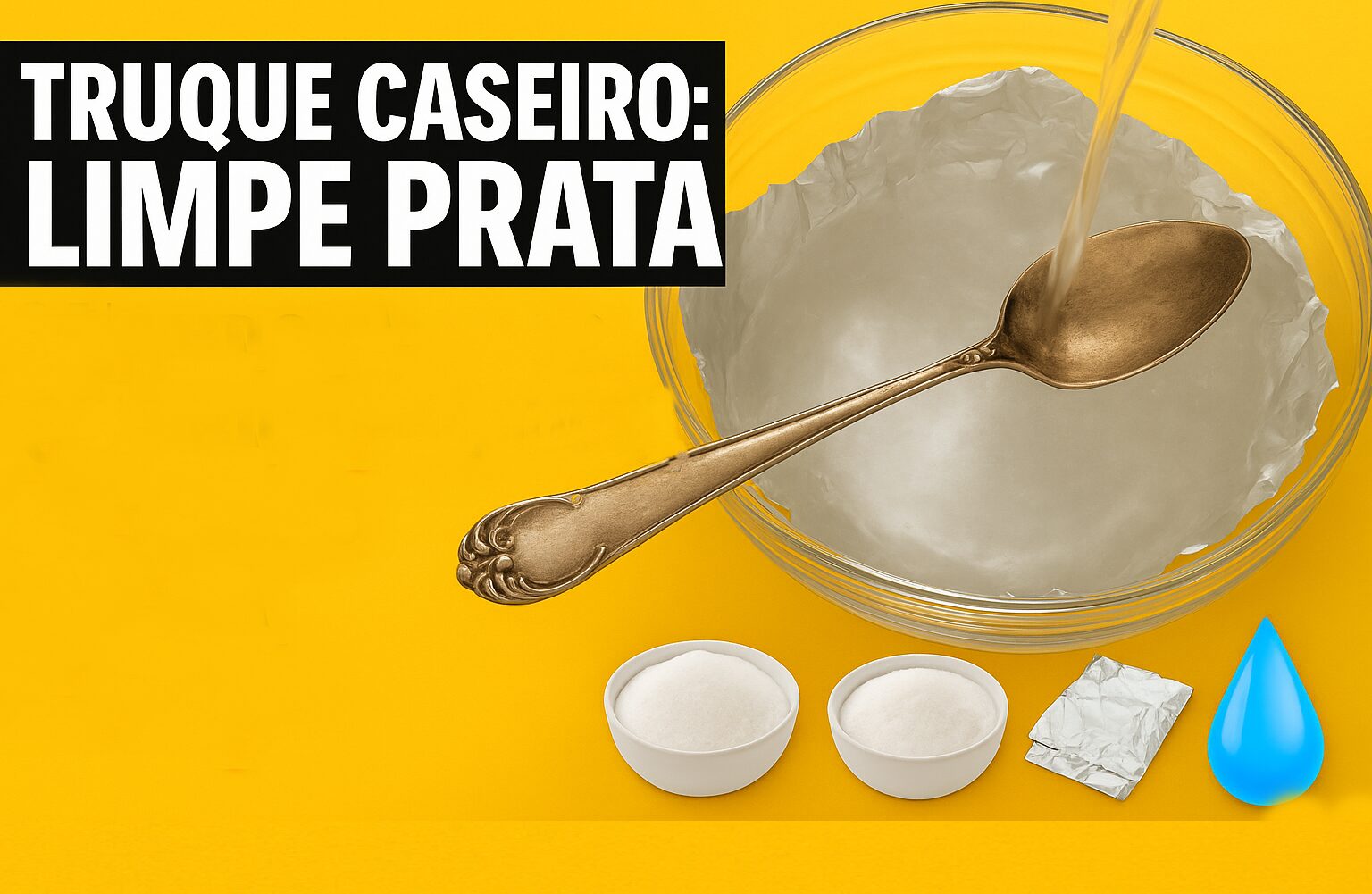

Home Remedy for Cleaning Silver Catches Attention for Using Common Items and Actual Chemical Reaction
Cleaning silver at home may seem like a complicated task, but there is a simple, inexpensive, and effective trick that uses only salt, baking soda, aluminum foil, and hot water.
This homemade combination has gained popularity on the internet for restoring the original shine to items effortlessly and without the use of expensive products. The method is quick, non-damaging to the objects, and can be done with items you already have in your kitchen.
Since ancient times, silver has been present in coins, cutlery, and jewelry. Over time, however, it tarnishes.
-
How Much Does Starlink Satellite Internet Cost for Cars, Trucks, and RVs? Prices for Antenna, Accessories, and Plans

-
Scientists Convert Food Waste into Aviation Fuel, Successfully Test 50% Blend with Conventional Kerosene to Cut Emissions and Promote Sustainable Flights
-
OnePlus N6 Smartphone to Launch in India with 8,000mAh Battery and 45W SuperVOOC Charging, Lasting Up to Three Days
-
Scientists Plan to Release Air Bubbles Underwater to Protect Antarctica’s “Doomsday Glacier” from Melting





The reason is oxidation, a process where silver reacts with sulfur in the air and forms a dark layer of sulfide.
But there is a simple and accessible way to restore the original shine of silver using a chemical reaction known as ionic exchange.
Redox Reaction: How Chemistry Works
The process is based on an oxidation-reduction reaction, also known as a redox reaction.
In this reaction, aluminum transfers electrons to the tarnished silver, reversing the oxidation. With this exchange, the dark silver sulfide is transformed into aluminum sulfide, restoring the shine to the object.
This reaction only occurs if the metals are in direct contact.
Baking soda helps as a conductive medium, allowing electrons to move between the aluminum and the silver.
Step-by-Step to Do at Home
The experiment can be done with simple materials that are usually available in any household. They are: tarnished silver objects, salt, baking soda, aluminum foil, and water.
First, fill a container with one liter of water. Then, add three tablespoons of salt and three tablespoons of baking soda. These ingredients act as electrolytes, conducting the necessary electric current.
Next, place a small piece of aluminum foil at the bottom of the container. This foil is responsible for donating electrons in the reaction.
Now, place the silver items inside the solution, ensuring they are in contact with the aluminum. Let everything soak for a few minutes.
During this time, the reaction takes place. The sulfides that cause tarnishing transfer from the silver to the aluminum.
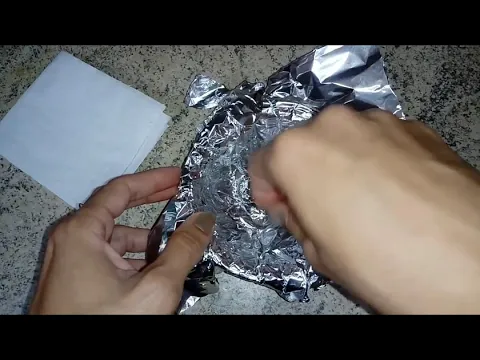

Result: Renewed Silver in a Few Minutes
After a few minutes, the items should be removed, rinsed under running water, and thoroughly dried. The result is immediate: clean and shiny pieces.
This process not only restores the beauty of silver but also provides an educational experience. It demonstrates how chemistry is present in everyday life in a practical and surprising way.